
How to support refugees looking for employment
June 13, 2025Being a refugee comes with countless struggles and one of the most important of these can be finding work. Refugees face huge challenges when job searching, either because they were forced to flee their country before completing their education or even highly skilled professionals can struggle to have their qualifications recognised in the UK. Organizations can greatly benefit from having refugees as a part of their team, with significantly higher retention rates and a strong commitment to their work, however many of them struggle to find work, with 70% facing unemployment in the UK.
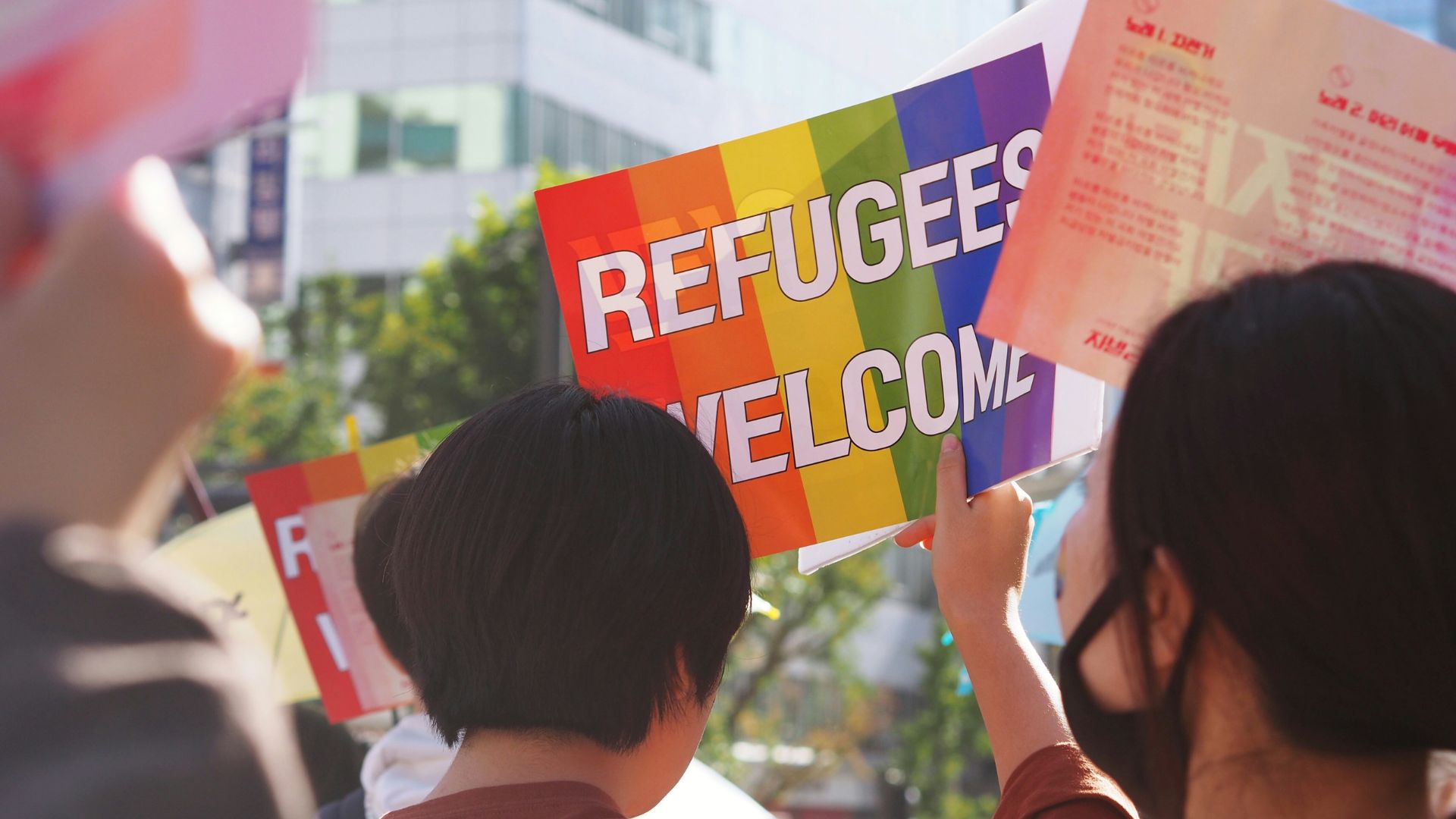
Here are some tips on how to support refugees looking for employment:
Understand the Challenges Faced by Refugee Job Seekers
Understanding the challenges faced by refugees looking for employment is key. Since they have often been subjected to barriers concerning employment, employers must educate themselves as to those challenges and take into consideration the hard conditions these people have been subjected to. Whilst an Asylum Seeker is not legally able to work in the UK, with some exceptions, once an individual has received refugee status they have permission to work in the UK. Some of the barriers include significant gaps on their resumes due to the prolonged asylum process, workplace perceptions that additional costs and admin will be required when hiring a refugee, lack of work experience in their new country, racism, negative stereotyping, lack of access to networks and knowledge of recruitment.
Tailor the Recruitment Process
There are several factors which are specific to refugee candidates and it is important to consider these when reviewing their applications. Many refugees will be unfamiliar with the interview process or online tests required by many organisations. Make sure candidates are fully aware of the process, taking them through each step in detail. It is important to keep in mind that refugees may look for lower-skilled jobs. This is because they are trying to ensure they find a job quickly to cover their basic expenses, plus it gives them a chance to improve their English. It is therefore advised that this should not be grounds for disqualification and organisations should be considerate of these circumstances.
Requesting for Appropriate Documentation
After an organisation has successfully recruited a refugee candidate, they will need to complete a pre-employment check to confirm they have the right to work. A refugee needs to have a national insurance number, a biometric residence permit, a Family reunion visa, a resettlement document and a formal letter from the Home Office.
Additional Support For Refugee Employees
Organisations should always take into account the traumatic experiences many refugees go through upon arrival in the UK. This means that extra support may be required on many levels. A holistic support system comes a very long way for refugees who are now entering the workforce in the UK. Organisations should provide emotional support, confidence-building assistance, language training, and an understanding and appreciation of the value a refugee employee can bring to the organisation. The benefits of diversity and varying experiences of refugees in the workplace are well-documented. Research has shown that companies with employees from a variety of backgrounds are 35% more likely to outperform their competitors.
Partner with Refugee Organisations
There are plenty of charities and organisations that can support you in hiring refugees, plus they will ensure you are fully equipped and prepared to do so. Refugee Council currently work with Starbucks and the NHS and can develop training with you to embed hiring refugees into your workplace. They also have information that can help you in putting together a business case for hiring refugees and highlight the benefits they can bring to your organisation.