
Hungary overturns anti-LGBTQ+ propaganda law in landmark victory for equality
October 14, 2026Hungary’s parliament has voted to roll back a flagship element of Viktor Orbán’s anti-LGBTQ+ agenda, approving amendments to child protection legislation that had targeted lesbian, gay, bisexual, trans and queer people in education, media and public life.
LGBTQ+ and human rights organisations across Hungary welcomed the decision as a long-awaited step toward repairing legal and social harm, while urging the government to go further on equality and fundamental rights.
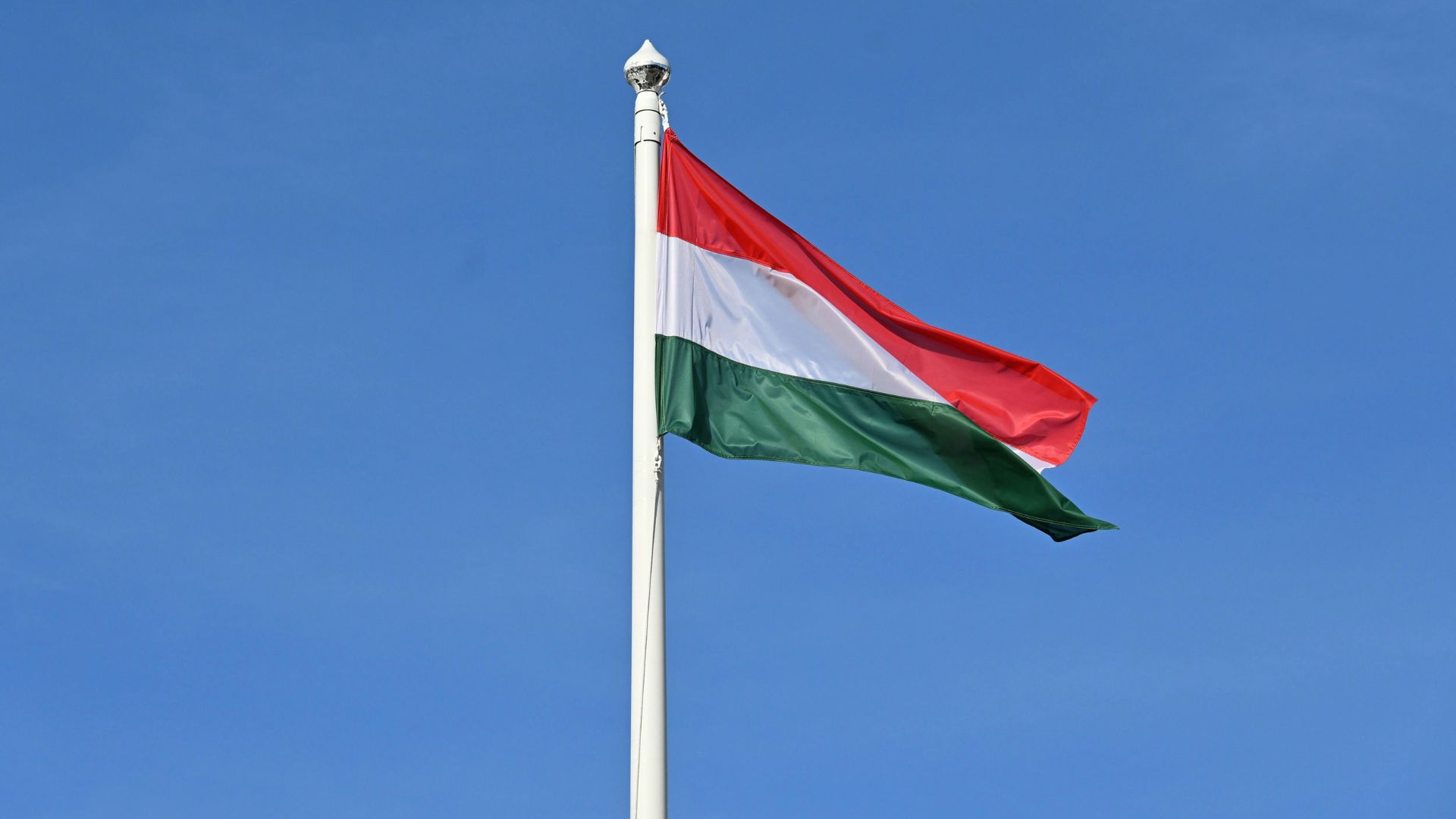
The 2021 Child Protection Law, introduced by the then-ruling Fidesz party under Prime Minister Viktor Orbán, prohibited what it called the “portrayal or promotion of homosexuality or transgenderism”.
The legislation was drafted and marketed as a measure to protect children, yet its scope extended far beyond child welfare. It reshaped large parts of Hungary’s legal framework, including rules on education, media, and the right of assembly, making it harder for schools, civil society and broadcasters to provide inclusive information or host LGBTQ-related events, BBC reports.
Since coming to power after Orbán’s election defeat in April, Prime Minister Péter Magyar and his Tisza party have moved to unwind significant elements of the Fidesz legacy. With a two-thirds parliamentary majority, similar to that once held by Fidesz, the Tisza government on Tuesday pushed through a package of legislative amendments that dismantle the most stigmatizing provisions of the 2021 law.
Tamás Dombos of the Háttér Society, Hungary’s leading LGBTQ civil rights organisation, said his group had spent five years opposing the law.
“We are very happy that this got adopted,” he told the BBC, explaining that early drafts of the new bill contained serious shortcomings. “There have been problems with the bill submitted to parliament, but most of those problems have been fixed.”
Dombos described the current situation as one in which advocates “are still knocking on a closed door, but at least they are listening on the other side” – a marked improvement on the previous period, when many in the LGBTQ community felt continually targeted.
EU funding unlocked after rule-of-law concerns addressed
Only minutes after parliament adopted the reforms, the Hungarian government announced that the European Union had agreed to release 4.2 billion euros (about 3.5 billion pounds) of funds that had been frozen in the later years of the Fidesz administration.
The European Commission stated last month that the Magyar government had addressed a series of “rule of law breaches affecting the EU budget” and called on EU leaders to unlock the funds and readmit Hungary to the Erasmus+ and Horizon Europe programmes.
Re-entry into these schemes carries major implications for Hungarian students, researchers and universities, and it also signals to investors that the country is taking steps to align more closely with EU legal and governance norms.
Pride, public opinion and political consequences
Public sentiment on LGBTQ issues has evolved in ways that challenge the old Fidesz narrative. In June 2025, Budapest’s Gay Pride march drew an estimated 250,000 people, despite a promise from then-Prime Minister Orbán to prevent the demonstration from going ahead.
Police did not intervene in the event despite an official ban, and subsequent proceedings against the city’s mayor and other organisers were dropped. This year’s Pride took place without restrictions, reinforcing Budapest’s reputation as a regional hub for LGBTQ communities and allies.
The politics of “child protection” also shifted dramatically after it emerged that the previous government had supported a presidential pardon for the deputy head of a children’s home who had concealed the paedophile crimes of his superior. What had previously been a powerful political tool for Orbán became a source of public anger and mistrust.
During his own election campaign, Péter Magyar framed his party as a defender of children in state care. He did so while carefully avoiding direct engagement with LGBTQ rights, apparently seeking to reassure conservative and right-wing voters who remain wary of full legal equality for sexual and gender minorities.
In a recent interview with Finnish newspaper Helsingin Sanomat, Magyar said: “I’m very cautious. As prime minister, it’s my duty to represent all Hungarians, and we have sensitive issues, such as the situation of sexual minorities.”
Ongoing gaps in LGBTQ equality
Although Tuesday’s vote rescinds central elements of the anti-LGBTQ “child protection” regime, activists stress that significant shortcomings remain in Hungarian law.
Priorities identified by groups such as Háttér Society include:
- Full legal recognition of same-sex marriage
- Equal adoption rights for same-sex couples
- Restoration of the right of transgender people to change their names and gender markers in official documents
These changes would bring Hungary closer to European human rights standards and to practices in many other EU member states where inclusive family and identity laws are in place.
For now, both Fidesz and its allied Christian Democratic People’s Party oppose the new direction. The Christian Democrats issued a statement after the vote insisting that “there is no place for the promotion of LGBTQ content in schools or the media”, signalling that cultural and political resistance will continue even as the legal framework shifts.
Why this matters for the workplace
For employers, investors and business leaders, Hungary’s legislative move has immediate and practical implications:
- Talent attraction and retention: Inclusive legal environments help companies recruit and retain LGBTQ professionals and their allies, especially in competitive sectors such as tech, finance and research.
- Compliance and risk management: As Hungary works to address rule-of-law issues and re-engage with EU programmes, organisations operating there can plan with more confidence around regulatory risk, reputational exposure and access to EU-funded initiatives.
- Workplace culture and productivity: Clear legal protections and fewer stigmatizing rules enable companies to build inclusive policies internally, from anti-discrimination frameworks to employee resource groups. This contributes to safer, more engaged and more innovative teams.
- Global ESG expectations: Investors, clients and multinational partners increasingly assess countries and companies on human rights and diversity metrics. Legislative progress on LGBTQ issues can support stronger ESG narratives for businesses with Hungarian operations.
For organisations committed to LGBTQ inclusion, moments of legal change in countries like Hungary are opportunities to reassess policies, support local employees and align global diversity strategies with on-the-ground realities.
Businesses looking to attract LGBTQ talent, benchmark best practice and connect with inclusive employers worldwide can take a practical next step by joining myGwork, the global LGBTQ business community, and integrating it into their talent, branding and inclusion strategies.