
IDAHOBLIT 2026: Hatred, Violence and the Importance of a Safe Workplace
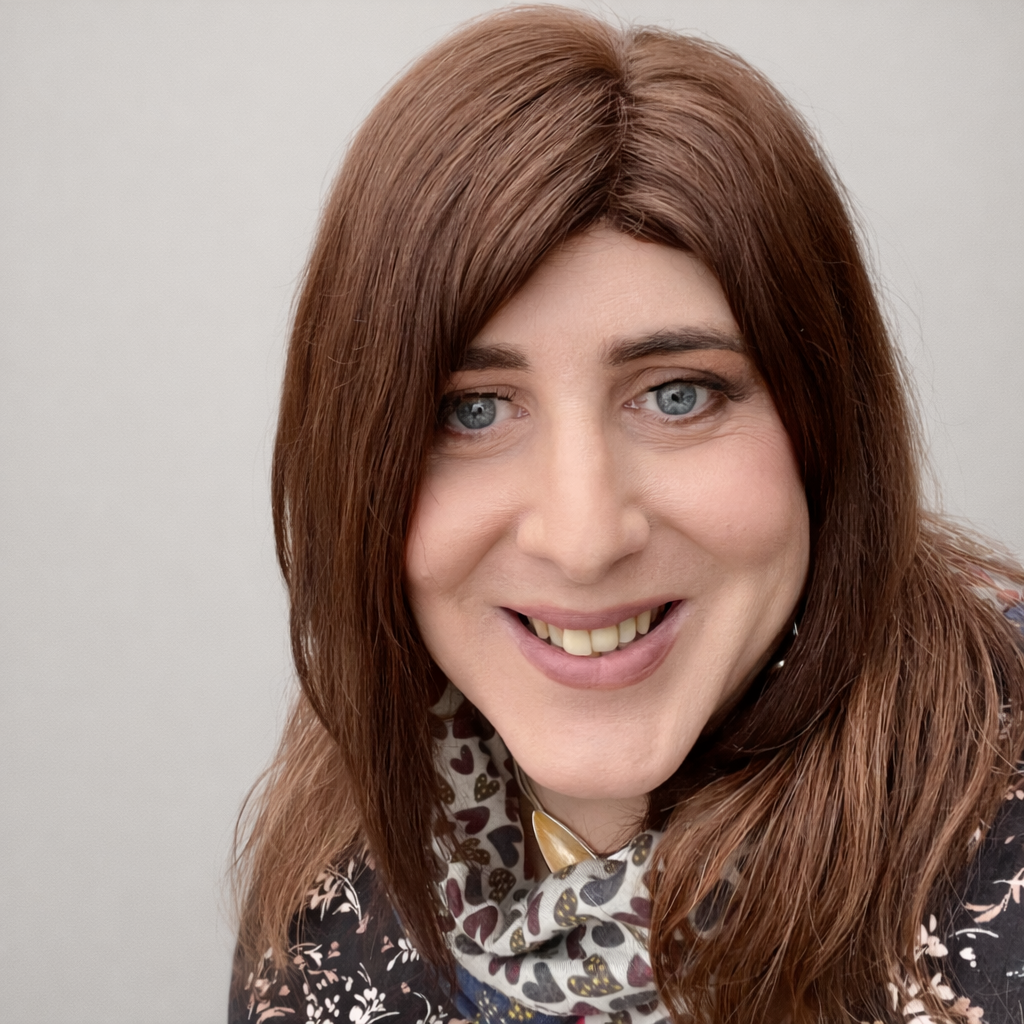
May 13, 2026Emily Hamilton is VP of Group Change at RS Group PLC, she is also Deputy CEO of Trans in the City and Founder and Chair of QuinsPride - the worlds' first LGBTIQA+ supporters' association in World Professional Rugby. She is a proud Transgender, Bisexual woman and speaks out for equality, safety and mental wellness within the LGBTIQA+ community.
Each year, IDAHOBLIT - the International Day Against Homophobia, Biphobia, Lesbophobia, Intersexphobia and Transphobia - gives us an important opportunity to reflect on the lived experiences of LGBTIQA+ people and the role organisations can play in creating safer, more inclusive environments.
The date itself is symbolic. It marks the anniversary of the World Health Organization’s 1990 decision to remove homosexuality from its classification of mental disorders. For trans people, similar recognition took far longer, with the same only coming into effect in 2020.
IDAHOBLIT is not a day we ‘celebrate’ in the traditional sense. It exists because prejudice, discrimination and violence still exist. At a time when LGBTIQA+ communities continue to experience rising hostility, increased hate crime, and negative public, political and media narratives, the need to observe this day remains as important as ever.
But what does IDAHOBLIT mean in practice for LGBTIQA+ people at work, and for the colleagues, leaders and organisations around them? How do we ensure it becomes more than another date in the corporate calendar, marked only by a social media post or a well-intentioned but short-lived gesture?
The answer, in my view, lies in creating workplaces that are not only inclusive, but genuinely safe.
For most LGBTIQA+ people, life exists across three interconnected spaces: personal life, public life and professional life. These might be thought of as the three legs of a stool. Personal life includes family, close friendships and relationships. Public life includes everyday activities such as travelling, shopping, eating out or simply walking through the street. Professional life includes work, education and career progression.
For some people, coming out or living openly can place pressure on one or more of these spaces. Personal relationships may be strained or lost. Public spaces may feel less safe because of abuse, harassment or violence. Professional environments may bring fears around exclusion, career limitation, or being treated differently.
When one of these areas becomes unstable, people may still manage if the others remain strong. But when all three are compromised, the impact can be profound. Survival should never be the benchmark for inclusion, but organisations can play a vital role in ensuring that the workplace remains a place of stability, dignity and safety.
This is not theoretical. In my own experience, I have faced challenges in both personal and public spaces. Eighteen months ago, while getting lunch in a busy business district in London, I was spat on by a man in a suit. I had to return to the office afterwards.
I was fortunate. I knew that my workplace was a safe place. It was somewhere I could clean my coat, take a moment to recompose myself, and know that I would not face further abuse simply because of who I am. That sense of safety mattered enormously.
An inclusive and safe workplace benefits everyone. It allows LGBTIQA+ colleagues to bring their full selves to work, but it also creates the conditions for all colleagues to feel respected, supported and able to perform at their best.
It is also important to recognise that hate does not always appear as overt abuse or physical violence, although these remain very real concerns. It can also come through the cumulative impact of negative media coverage, hostile political debate, online abuse, or the constant questioning of a community’s rights and legitimacy. The psychological toll of this should not be underestimated.
So, what should organisations consider this IDAHOBLIT?
First, review your approach to employee wellbeing. Are you giving people the space and support they need to deal with trauma, stress or external hostility?
Second, make it clear that hate stops at your front door, whether that door is physical or digital. Workplace culture, internal communications, customer interactions and online spaces should all reflect this standard.
Third, ensure LGBTIQA+ colleagues are not left exposed or unsupported. If your organisation posts publicly in support of LGBTIQA+ inclusion, are you actively monitoring and managing abusive responses? Are colleagues being asked to travel to locations where they may face heightened risk? Are opportunities such as conferences, executive education or international meetings being made inaccessible because of safety concerns linked to identity?
Fourth, be clear with customers, clients, suppliers and partners that anti-LGBTIQA+ hate has no place in your organisation or supply chain. Visible leadership and consistent standards matter. Courage and good practice can be contagious.
I am able to say that, for me, safety and security at work are a given. But I also know that this is far from the experience of many LGBTIQA+ people.
IDAHOBLIT is a reminder that inclusion cannot be passive. It requires active allyship, visible leadership and a willingness to listen to and elevate LGBTIQA+ voices. By working together, businesses can help challenge the hatred that continues to affect so many lives and create workplaces where everyone can feel safe, respected and valued.