
Inclusive blood donation rules in England sees surge in gay and bi male donors
May 27, 2026A growing number of gay and bisexual men in England are donating blood following reforms that base eligibility on individual risk rather than sexual orientation.
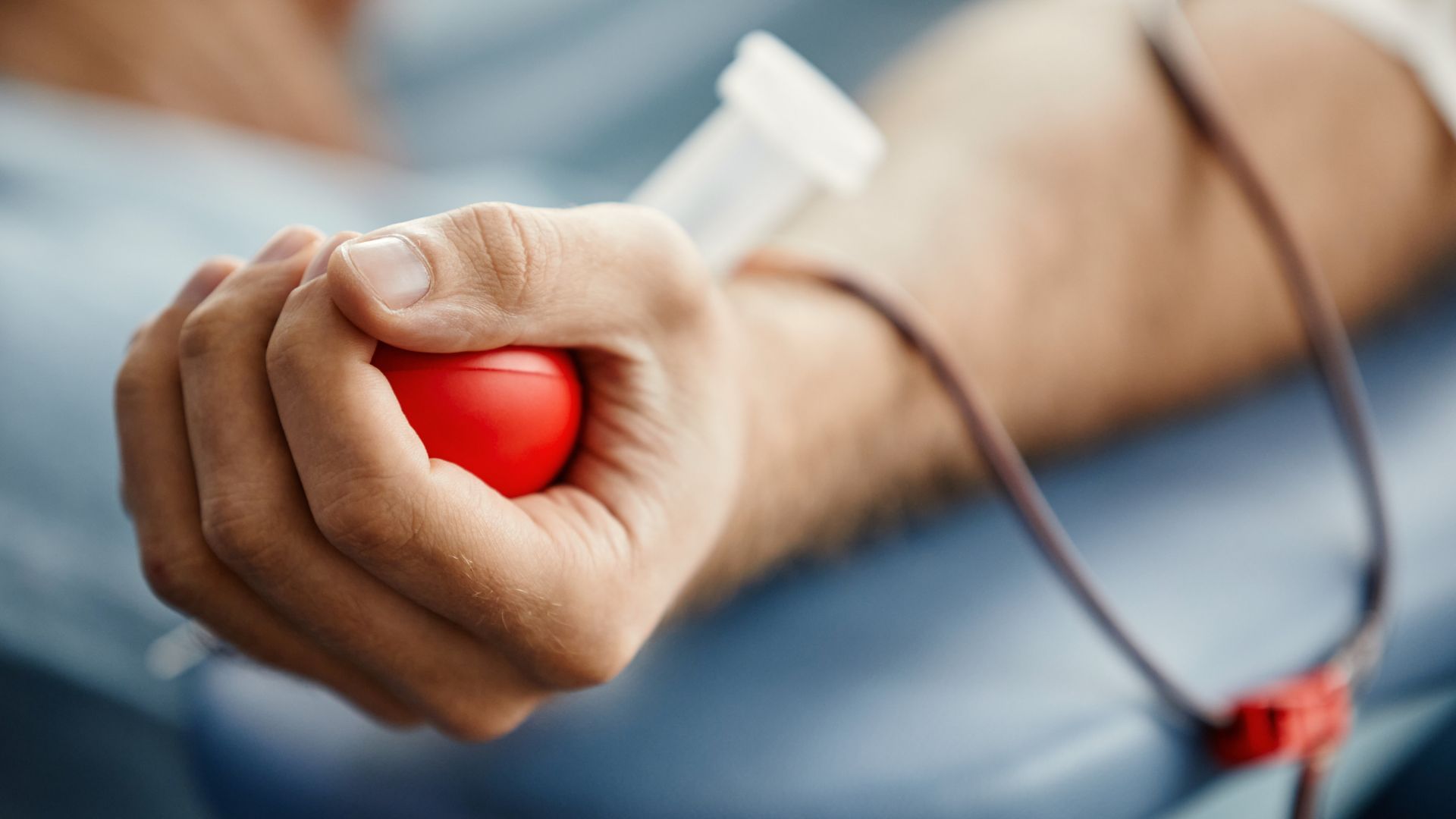
New survey data from NHS Blood and Transplant, as reported by Independent, shows that 7.5% of 8,744 male donors identified as bisexual, gay, pansexual, queer, bicurious or sexually fluid. In 2014, a comparable survey recorded just 1.8% of male donors identifying in this way.
Until 2011, men who had sex with men were banned from donating blood in the UK. By 2014, any man who had engaged in sexual activity with another man in the previous 12 months was still excluded. That deferral period was shortened to three months in 2017.
In 2021, eligibility rules in England, Scotland and Wales were overhauled. Anyone who has had the same sexual partner for the last three months can now donate, provided they meet wider criteria based on health, travel and sexual behaviour. The change ended a blanket approach that had long been criticised by LGBTQ+ advocates and medical experts as discriminatory and out of step with modern screening methods.
For donors like Thomas Yates, a gymnastics coach from Westhoughton in Greater Manchester, the reforms have been life-changing. Inspired by his grandfather, who needed weekly transfusions while being treated for leukaemia, Yates first tried to give blood in 2018 but was turned away under the old rules.
“I felt it was another way queer people are marginalised. I was so fit and healthy,” he recalled. Once the new policy came into effect in 2021, he booked an appointment at the Plymouth Grove donor centre in Manchester as soon as he could. Since then, he has donated 16 times.
“I felt elated afterwards, proud that I was able to donate, pleased the rules had changed,” he said. “Honestly, it’s so easy to donate. You complete the form, have a drink, have the screening chat, and then go and donate blood. The staff are so friendly. I am pleased the surveys show evidence more queer people are donating. I think it helps change perspectives.”
According to experts, the shift to an individualised risk assessment has widened access without compromising safety.
“Donation became more inclusive but safety remained the priority,” said Dr Su Brailsford, NHS Blood and Transplant consultant in epidemiology and health protection. “The survey statistics indicate more gay and bisexual men are now donating. It’s very encouraging to see new donors coming to our centres and we try to make them very welcome. We are very grateful to all our blood donors, whatever their background, for helping to save and improve lives.”
Katy Davison from the UK Health Security Agency noted that the annual NHSBT and UKHSA blood safety report shows no negative impact on blood safety since the new assessment model was introduced. “More people are now eligible to donate blood based on their health, travel and sexual behaviour,” she said, confirming that the more inclusive policy has allowed more gay and bisexual men to donate without compromising the safety of the blood supply.
Charities working with people affected by blood cancers also stress how important donors are. “At Anthony Nolan we see every day how critical blood donors are,” said spokesperson Ellouise Bishop. “For patients with blood cancers and blood disorders, transfusions of red blood cells and platelets can be a vital supportive treatment during their stem cell transplant journey.”
As rules and attitudes shift toward evidence-based, non-discriminatory policies, LGBTQ+ people are increasingly visible as active contributors to public health. That same principle of inclusion is transforming workplaces and professional networks.
Platforms like myGwork connect LGBTQ+ professionals and allies with inclusive employers and opportunities; for those who welcome this progress in blood donation, signing up to myGwork is another way to support equality in everyday life.