
Inclusive Employer Policies: Keys to Retention and Equity
January 14, 2026Over half of American LGBTQ+ employees say inclusive policies are a top reason for staying with their organization. Creating workplaces that genuinely celebrate diversity matters now more than ever, as human resource managers grapple with evolving expectations around equality and retention. This guide explores clear strategies and actionable insights to help you design policies that go beyond simple compliance, delivering environments where every team member thrives.

Defining Inclusive Employer Policies and Concepts
Inclusive employer policies represent a strategic framework designed to create workplace environments where every individual can thrive, regardless of their background or identity. These policies go far beyond basic legal compliance, serving as a comprehensive approach to fostering workplace diversity and equity. Inclusive employment represents a paradigm shift in organizational philosophy, fundamentally transforming how companies approach human capital management.
At their core, these policies are structured guidelines that eliminate systemic barriers and promote equal opportunities. Inclusive policy frameworks typically encompass several critical dimensions:
- Equitable recruitment practices
- Anti-discrimination measures
- Flexible work arrangements
- Comprehensive employee resource groups
- Transparent promotion and advancement pathways
Successful inclusive policies recognize that diversity is not just about representation, but about creating genuine belonging. This means developing workplace cultures where differences are not just tolerated, but actively celebrated and leveraged as organizational strengths. Such approaches transform diversity from a compliance checkbox into a dynamic competitive advantage that drives innovation and organizational performance.

Pro tip: Conduct regular, anonymous workplace climate surveys to identify subtle exclusionary practices that might not be immediately visible through standard metrics.
Legal Frameworks Shaping Workplace Equality
The landscape of workplace equality is fundamentally defined by legal frameworks that establish comprehensive protections against discriminatory practices. Legislative approaches to nondiscrimination reveal a complex global tapestry of legal protections that vary significantly across different jurisdictions. While many countries have established robust legal mechanisms, the depth and breadth of these protections remain uneven, particularly for marginalized communities.
Workplace equality legislation typically addresses multiple critical dimensions of employment, including:
- Recruitment practices
- Compensation standards
- Promotion opportunities
- Harassment prevention
- Reasonable workplace accommodations
- Protection against discriminatory termination
Comparative workplace equality research demonstrates that effective legal frameworks must extend beyond mere policy documentation. Successful implementations require active enforcement mechanisms, cultural transformation, and ongoing institutional commitment to dismantling systemic barriers. This means creating legal structures that not only prohibit discrimination but actively promote inclusive environments where diverse talents can flourish.
The most progressive legal frameworks recognize that workplace equality is not a static concept but a dynamic process requiring continuous adaptation. They incorporate intersectional approaches that understand discrimination as a complex, multilayered experience influenced by race, gender, sexual orientation, disability status, and other critical identity markers. By developing nuanced, comprehensive legal protections, jurisdictions can create workplaces that genuinely reflect principles of fairness and equal opportunity.
Here’s a comparison of how legal frameworks address workplace equality across different regions:
Pro tip: Consult with legal diversity specialists who can help translate broad legislative requirements into specific, actionable organizational policies.
Protected Characteristics and Policy Variations
Workplace equality laws recognize specific protected characteristics that safeguard individuals from discriminatory practices. Global LGBTQI+ workplace legislation reveals significant variations in legal protections across different regions, highlighting the complex landscape of workplace diversity and inclusion. These protected characteristics typically encompass fundamental aspects of personal identity that should not impact professional opportunities or treatment.
The core protected characteristics often include:
- Race and ethnicity
- Gender identity
- Sexual orientation
- Disability status
- Age
- Religious beliefs
- National origin
- Pregnancy and parental status
- Veteran/military service
Workplace bullying research demonstrates that individuals with marginalized identities frequently face increased risks of discrimination and harassment. These vulnerabilities underscore the critical importance of comprehensive policy frameworks that not only prohibit discriminatory actions but actively create supportive, inclusive workplace environments.
Moreover, progressive jurisdictions are increasingly adopting intersectional approaches that recognize how multiple protected characteristics interact and compound potential discrimination risks. This nuanced understanding moves beyond simplistic, single-dimensional protections, acknowledging the complex lived experiences of individuals with multiple marginalized identities. By developing sophisticated, adaptable policy frameworks, organizations can create more equitable workplaces that genuinely respect and value human diversity.
Pro tip: Conduct regular, anonymous workplace climate assessments that specifically examine experiences across different protected characteristic groups to identify and address systemic inequities.
Building Effective DEI and Employee Resource Programs
Developing robust Diversity, Equity, and Inclusion (DEI) programs requires a strategic, holistic approach that goes far beyond superficial training initiatives. Effective DEI programs demand systems-based approaches that are data-informed, stakeholder-engaged, and meticulously aligned with organizational culture and objectives. Successful implementation means embedding inclusivity into the fundamental operational fabric of the organization, not treating it as a standalone initiative.
Key components of comprehensive DEI and Employee Resource Group (ERG) strategies include:
- Organizational leadership commitment
- Transparent data tracking and accountability
- Intersectional program design
- Continuous stakeholder engagement
- Flexible support mechanisms
- Measurable performance indicators
Employee Resource Groups create workplace community by aggregating worker perspectives and enhancing organizational engagement. These groups serve critical functions beyond networking, acting as vital conduits for understanding employee experiences, identifying systemic challenges, and developing innovative solutions that promote genuine workplace inclusion. By providing platforms for marginalized groups to connect, share experiences, and drive organizational change, ERGs become powerful engines of cultural transformation.
The most effective DEI programs recognize that inclusion is not a destination but a continuous journey of learning, adaptation, and genuine commitment. They create environments where diverse perspectives are not just tolerated but actively sought, valued, and integrated into decision-making processes. This approach transforms DEI from a compliance checkbox into a dynamic strategic advantage that drives innovation, employee satisfaction, and organizational resilience.
This table summarizes what sets effective DEI and ERG programs apart from basic initiatives:
Pro tip: Design ERG success metrics that go beyond membership numbers, focusing on tangible organizational impact and member career development outcomes.
Reporting, Accountability, and Enforcement Systems
Building robust workplace accountability systems requires comprehensive approaches that transform reporting from a passive administrative task into an active mechanism for organizational transformation. Workplace discrimination reporting mechanisms reveal significant challenges in encouraging employees and bystanders to document potential violations, highlighting the need for supportive, transparent reporting infrastructures.
Effective accountability systems typically incorporate multiple strategic elements:
- Confidential reporting channels
- Clear documentation protocols
- Protection against retaliation
- Independent investigation procedures
- Transparent outcome communication
- Regular systemic review processes
- Consequence management frameworks
Employment equity accountability frameworks demonstrate that successful systems go beyond punitive measures. They create environments where reporting is viewed as a constructive opportunity for organizational learning and improvement, not merely a disciplinary mechanism. By embedding accountability into organizational culture, companies can transform reporting from a threatening process to an empowering mechanism for positive change.
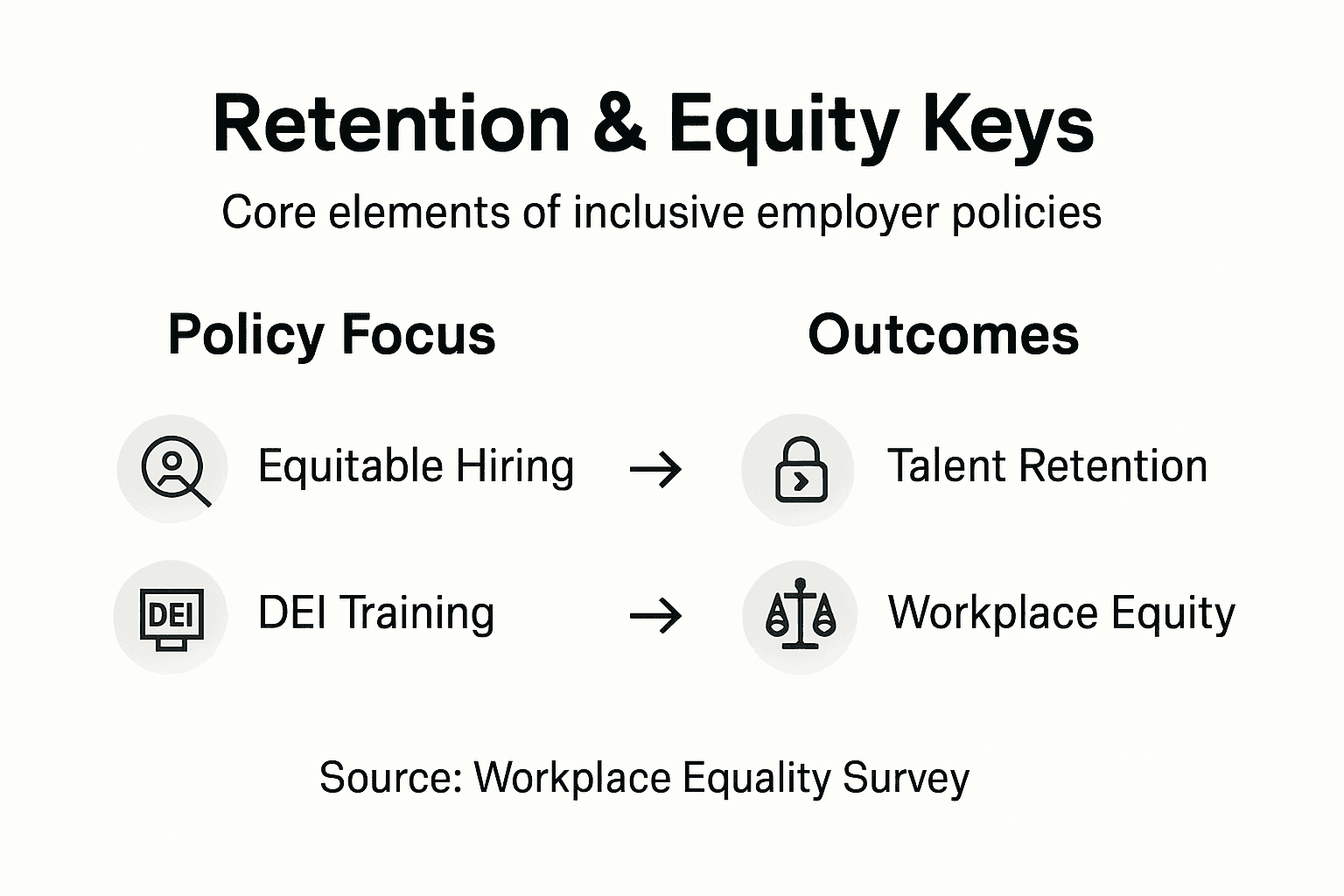
The most sophisticated accountability systems recognize that enforcement is not about punishment, but about creating sustainable cultural shifts. They integrate comprehensive data analysis, provide multiple reporting pathways, ensure thorough and impartial investigations, and communicate outcomes transparently. This approach builds institutional trust, encourages ongoing dialogue, and demonstrates a genuine commitment to maintaining an equitable workplace.
Pro tip: Design anonymous reporting systems with multiple access points, including digital platforms, third-party hotlines, and in-person consultation options to maximize employee comfort and participation.
Common Pitfalls and How to Avoid Them
Diversity and inclusion initiatives often encounter significant challenges that can undermine their effectiveness and credibility. Diversity efforts can inadvertently cause harm when organizations prioritize performative actions over genuine systemic change. Understanding these potential pitfalls is crucial for creating meaningful, sustainable workplace equity strategies.
Common challenges in diversity and inclusion work include:
- Tokenism and superficial representation
- Lack of meaningful leadership commitment
- Inconsistent policy implementation
- Insufficient data tracking and accountability
- Failure to address systemic barriers
- Neglecting intersectional perspectives
- Performative rather than transformative approaches
Successful organizations recognize that avoiding these pitfalls requires a holistic, intentional approach. This means moving beyond checklist mentality and surface-level diversity metrics. Genuine inclusion demands continuous learning, honest self-reflection, and a willingness to challenge existing organizational structures and cultural norms. It involves creating environments where diverse perspectives are not just present, but actively valued, heard, and integrated into decision-making processes.
The most effective equity strategies adopt a ‘First, Do No Harm’ principle, carefully examining the potential unintended consequences of well-intentioned initiatives. This requires ongoing dialogue, transparent communication, and a commitment to measuring actual impact rather than celebrating symbolic gestures. Organizations must develop nuanced, adaptive approaches that recognize the complex lived experiences of marginalized groups and create genuine pathways for meaningful participation and advancement.
Pro tip: Conduct regular, anonymous feedback surveys that specifically probe the lived experiences of employees from underrepresented groups to identify subtle systemic barriers.
Drive True Inclusion and Retention with Proven LGBTQ+ Workplace Solutions
Inclusive employer policies that prioritize equity, belonging, and systemic change are essential for retaining diverse talent and fostering genuine workplace inclusion. This article highlights the critical need for comprehensive frameworks that support protected characteristics and create meaningful accountability in your organization. If you are committed to overcoming challenges like tokenism, inadequate leadership engagement, and inconsistent enforcement, targeted solutions tailored to the LGBTQ+ community can make all the difference.
Discover how mygwork.com, a leading platform dedicated to LGBTQ+ professionals, organizations, and allies, empowers companies and employees alike. By connecting you with an engaged community, specialized resources, and actionable insights, it helps translate inclusive policies into real career advancement and cultural transformation. Don’t just implement policies—build a thriving, diverse workplace where every individual feels valued and supported. Explore more and take the next step toward true inclusion at mygwork.com today.
Frequently Asked Questions
What are inclusive employer policies?
Inclusive employer policies are a strategic framework aimed at creating workplace environments where individuals can thrive regardless of their background or identity. These policies focus on fostering workplace diversity and equity, going beyond legal compliance to promote equal opportunities for all employees.
Why are inclusive employer policies important for employee retention?
Inclusive employer policies play a critical role in employee retention by fostering a sense of belonging and value among diverse employees. When individuals feel included and supported, they are more likely to stay with the organization, leading to higher retention rates and reduced turnover costs.
How can organizations implement effective diversity, equity, and inclusion (DEI) programs?
Organizations can implement effective DEI programs by embedding inclusivity into their operational frameworks. This includes strong leadership commitment, transparent data tracking, continuous stakeholder engagement, and the development of tailored Employee Resource Groups (ERGs) that address specific employee needs.
What are common pitfalls in diversity and inclusion initiatives?
Common pitfalls in diversity and inclusion initiatives include tokenism, lack of leadership commitment, inconsistent policy implementation, and neglecting intersectional perspectives. To avoid these issues, organizations should prioritize genuine systemic change and create environments where diverse perspectives are valued and integrated into decision-making.