
India’s transgender rights amendment bill triggers nationwide backlash
March 26, 2026India’s parliament has approved a contentious bill amending the Transgender Persons (Protection of Rights) Act, 2019, prompting protests from LGBTQ organisations, legal experts and opposition parties who say it rolls back hard-won rights.
The legislation, passed by both houses and now awaiting presidential assent, revises the legal definition of a transgender person and removes the right to self-identification that was affirmed by the Supreme Court in its landmark 2014 judgment recognising transgender people as a “third gender”.
The government maintains that the current legal definition is too broad, arguing that a narrower formulation will better target welfare measures such as job reservations and healthcare support to those facing “extreme and oppressive” discrimination. Officials say the bill will also bolster protections against exploitation and trafficking, BBC reports.
Under the proposed changes, legal recognition would be limited to those who fit definitions based on biological or physical traits. This includes people with intersex variations, as well as traditional identities historically recognised within Indian transgender communities. At the same time, the bill introduces mandatory certification from medical boards and district authorities for those undergoing gender-affirming surgeries.
Transgender, non-binary and gender-fluid activists warn that these provisions mark a clear departure from the principle of self-identification and could strip many people of legal recognition. They argue that relying on medical and bureaucratic gatekeeping undermines autonomy and dignity, and risks excluding trans men, trans women and others whose identities are not easily captured by narrow biological criteria.
“It has shattered our identity,” transgender rights advocate Laxmi Narayan Tripathi told reporters, describing the bill as a direct challenge to the community’s sense of self.
Speaking at a press conference in Delhi, activist Grace Banu called for “recognition without invasion” and “rights without humiliation,” insisting that true protection cannot be premised on intrusive scrutiny. “This is not protection, but violation,” Banu said.
In a commentary for The Times of India, lawyer N Kavitha Rameshwar wrote that removing “the factor of self-determination” amounts to an attack on individual privacy and dignity, placing the bill in tension with constitutional principles affirmed by the Supreme Court.
A Supreme Court-appointed advisory panel has urged the government to withdraw the bill, stating that the removal of self-identification conflicts with the Court’s 2014 ruling. The panel has called for broader consultation with transgender communities and human rights experts, warning that the amendments could erode existing safeguards.
India is officially estimated to have around two million transgender people, a figure activists say undercounts the true population due to stigma, underreporting and inconsistent recognition. Despite the 2019 Act and earlier court victories, many trans people continue to face discrimination in education, healthcare and employment, often being pushed into informal or traditional forms of work.
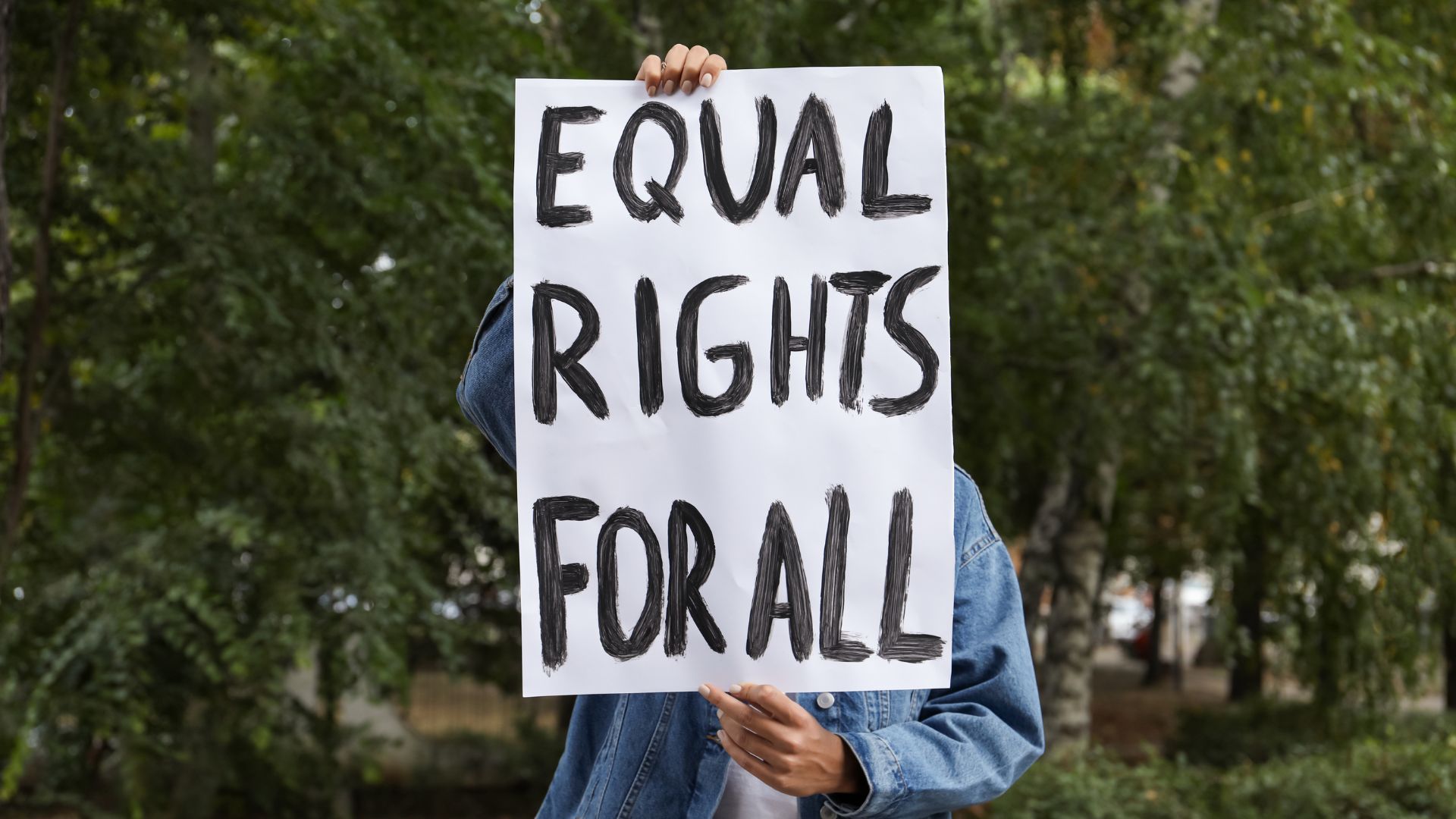
Over the past two weeks, LGBTQ groups and allies have staged demonstrations in cities across India, demanding that the government respect self-identification and strengthen, rather than restrict, legal protections.
Opposition parties have joined the criticism. Congress leader Rahul Gandhi labelled the bill a “brazen attack” on transgender rights, while Supriya Sule of the Nationalist Congress Party (Sharadchandra Pawar) described it as “draconian” and questioned what she called the “hasty manner” in which it was introduced.
As the bill moves to the president’s desk, transgender rights advocates are intensifying their campaign, insisting that any reform must be guided by the voices and lived experiences of the communities most affected and aligned with constitutional equality.