
Intersectionality: A framework for understanding modern social inequality
April 10, 2026The concept of intersectionality has emerged as a critical framework for understanding how multiple social identities coalesce to shape individual experiences of privilege and oppression. Coined by legal scholar and activist Kimberlé Crenshaw, intersectionality examines how various forms of discrimination—such as racism, sexism, classism, and ableism—do not exist in isolation but rather intersect and interact. This framework is essential for recognizing the complexities of social justice issues in contemporary society.
Defining 'Intersectionality'
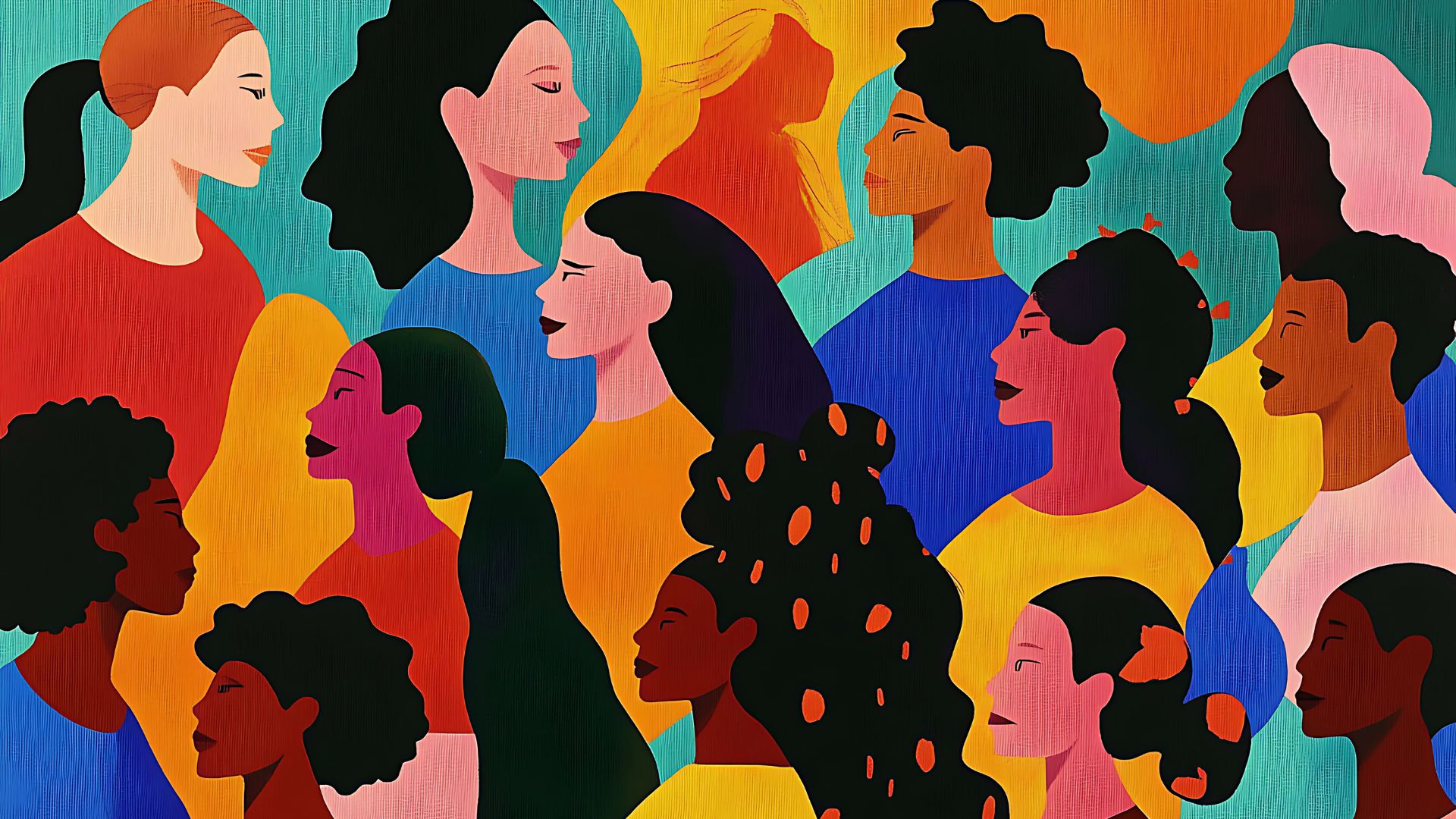
Intersectionality posits that social categories and identities, including race, gender, sexuality, nationality, religion, and socioeconomic status, overlap and influence one another. As a result, individuals experience unique challenges and vulnerabilities based on the specific combination of these identities. For instance, the experiences of a Black woman cannot be fully understood by looking solely at her race or gender, as they intersect to create a distinct set of social realities.
This multilayered perspective allows us to understand that individuals face multiple forms of discrimination simultaneously. A person who identifies as both LGBTQ+ and a person of color may confront different societal challenges than someone who identifies as either one of those categories independently. This nuanced understanding is crucial for advocates and policymakers aiming to address systemic issues effectively.
The relevance of intersectionality today
In modern society, intersectionality has profound implications for various sectors including politics, education, healthcare, and social justice movements. Recognizing the interconnected nature of social identities can inform more effective policies that address the specific needs of marginalized groups. For example, in healthcare, understanding how race and socioeconomic status intersect can lead to targeted interventions that tackle disparities in health outcomes.
Moreover, the rise of social movements, such as Black Lives Matter and LGBTQ+ advocacy, showcases the importance of intersectionality in understanding the varied experiences within these movements. Such frameworks push for inclusivity, making sure that the voices of those at the intersections of multiple identities are amplified and prioritized in discussions and activism.
Kimberlé Crenshaw’s Contribution: The TED Talk
In her influential TED Talk, "The Urgency of Intersectionality," Kimberlé Crenshaw eloquently illustrates the practical implications of intersectionality through the story of Emma DeGraffenreid, an African-American woman who faced discrimination when applying for a job. Crenshaw recounts how Emma's legal claim was dismissed because the court was unable to recognize that her experience of discrimination was shaped by the intersection of her race and gender.
Crenshaw explains, “Many years ago, I began to use the term 'intersectionality' to deal with the fact that many of our social justice problems like racism and sexism are often overlapping, creating multiple levels of social injustice.” This powerful statement emphasizes the critical need to recognize overlapping identities to fully understand the injustices faced by individuals like Emma.
Crenshaw further emphasizes the limitations of traditional legal frameworks, which tend to separate issues of race and gender rather than recognizing their interconnectedness. By introducing the concept of an "intersection," she encourages listeners to visualize how individuals positioned at the crossroads of multiple identities experience compounded forms of discrimination, thus advocating for a more inclusive approach to justice.
Moving forward: implementing intersectionality
To create a more equitable society, it is essential to implement intersectionality in our social, political, and legal systems. This means not only acknowledging the unique experiences of individuals at the intersections of various identities but also actively working to dismantle the systemic barriers that perpetuate discrimination.
Organizations and movements should prioritize inclusive practices that ensure diverse perspectives are included in decision-making processes. By fostering an environment where the experiences of all individuals, particularly those with intersecting identities, are recognized and valued, we can work towards societal change that addresses the root causes of inequality.
Intersectionality is an invaluable framework for understanding and addressing the complexities of social injustice in modern society. By recognizing the interconnectedness of various social identities, we can implement more effective policies and advocate for a more inclusive world.
Kimberlé Crenshaw’s work has been instrumental in bringing this concept to the forefront of social justice discussions, urging us all to reconsider how we address inequality in our communities. As we move towards a more just society, embracing intersectionality will be key to ensuring that every voice is heard and every experience is validated.