
It Was Never "Just Me" – The Day My Life Finally Made Sense
July 17, 2026By Cliff Hoffmann, QA Expert at Novartis
For 40 years, I believed there was something fundamentally wrong with me.
Not because anyone explicitly told me that. But because that was the only explanation I could find.
Why did everything seem so much easier for everyone else? Why did I constantly feel like I had to work twice as hard just to keep up? Why could I spend ten hours completely absorbed in one topic while forgetting to answer a simple message? Why did criticism feel like physical pain? Why did my mind refuse to slow down, even when my body desperately needed rest?
I didn't have answers.
So I did what many people with undiagnosed ADHD learn to do. I adapted.
I became the person who overprepared. The person who compensated. The person who worked harder than everyone expected because I was terrified that one day people would discover I wasn't good enough.
Looking back, I wasn't hiding my ADHD.
I was hiding myself.
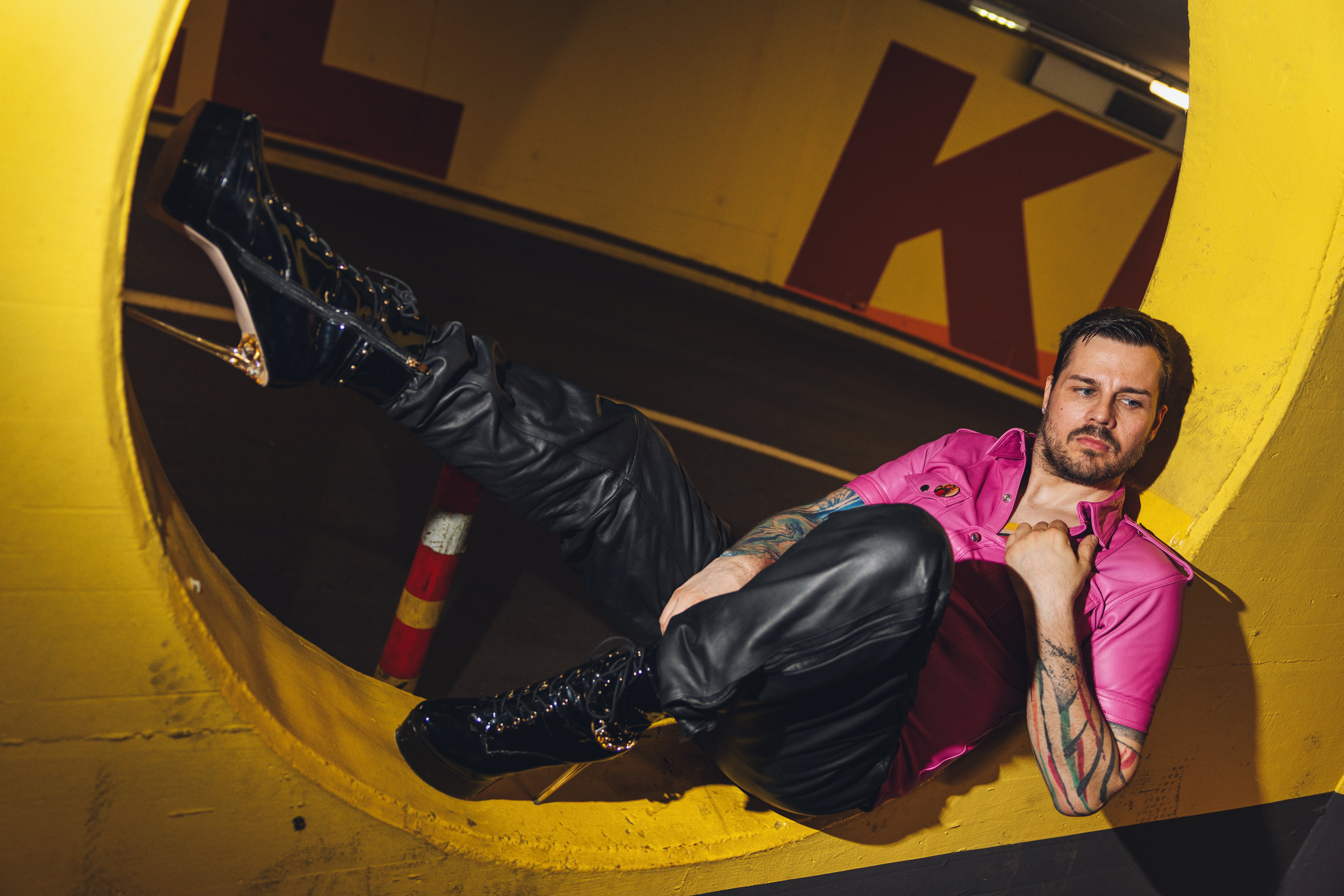
As a child, I was already "different." I was the overweight gay kid who never quite fit in. I was curious about everything, constantly asking questions, fascinated by chemistry, music, psychology, people and how the world worked. My thoughts rarely followed a straight line. One idea immediately connected to another, and another, and another.
Adults often saw someone who was distracted.
Inside my head, I experienced a world that was simply moving much faster.
For decades, I believed that everyone else's brain worked like mine and that I was simply failing to manage it.
What many people don't realize is that ADHD isn't just about attention.
It's about emotional regulation. Executive functioning. Time perception. Sensory overload. Pattern recognition. Creativity. Hyperfocus. Exhaustion. Constantly switching between feeling like you're capable of anything and feeling like you're failing at everything.
And because ADHD is often invisible, many people become experts at masking it.
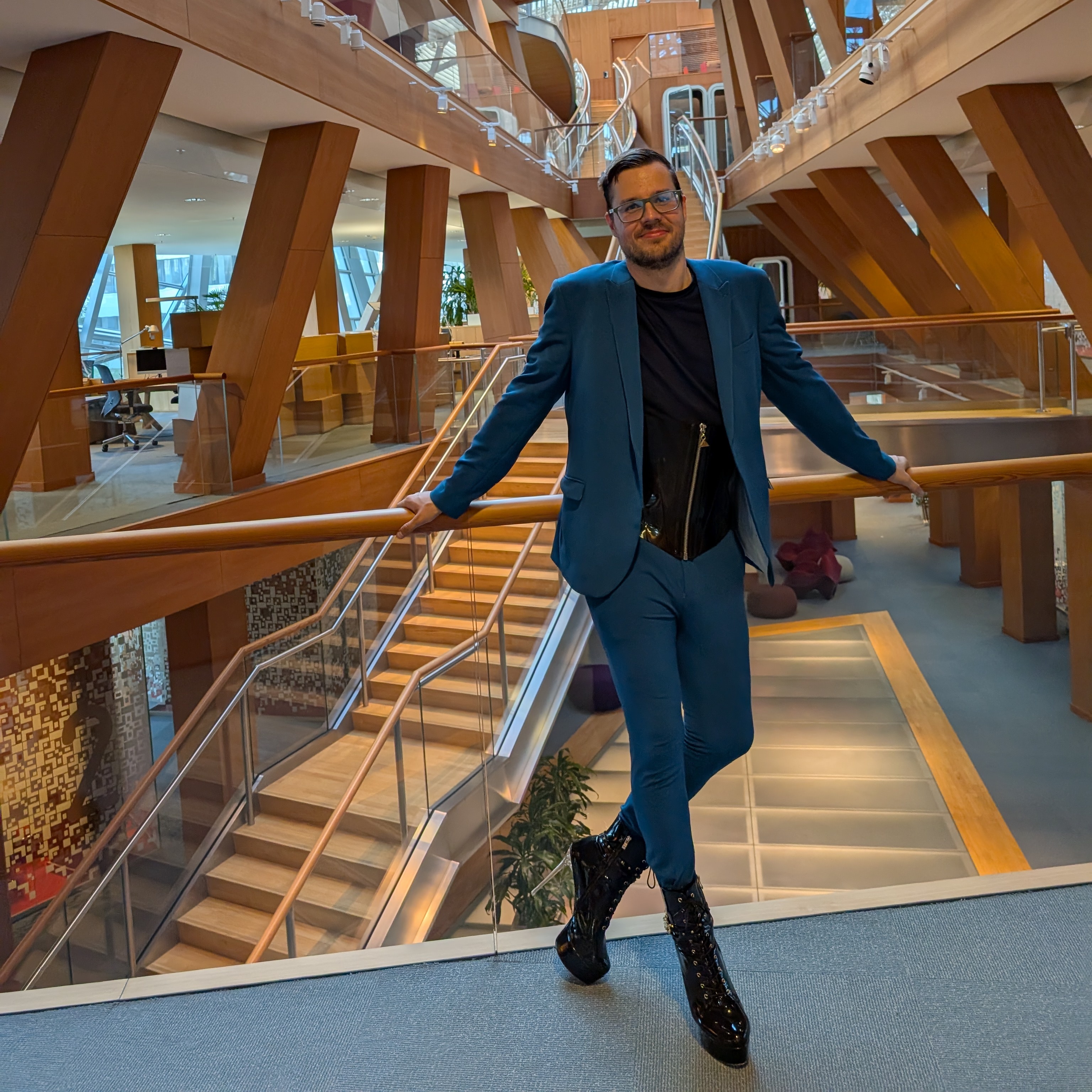
People praised me for being organized.
They never saw how much energy it took to become organized.
People admired my commitment.
They never saw the fear of disappointing others that drove it.
People described me as resilient.
They never saw how often I questioned my own worth.
Then, at the age of 40, I finally received my diagnosis.
People often ask whether I was sad that it happened so late.
The truth is more complicated.
I wasn't grieving the diagnosis.
I was grieving the years I had spent blaming myself.
Suddenly, decades of confusion turned into understanding.
I wasn't lazy.
I wasn't broken.
I wasn't "too much."
My brain simply worked differently.
That realization didn't magically solve every challenge. I still struggle with distractions. I still experience rejection more intensely than many people. I still have days where my thoughts race faster than I can process them.
But something fundamental changed.
I finally stopped fighting against myself.
That has been one of the greatest gifts of my diagnosis.
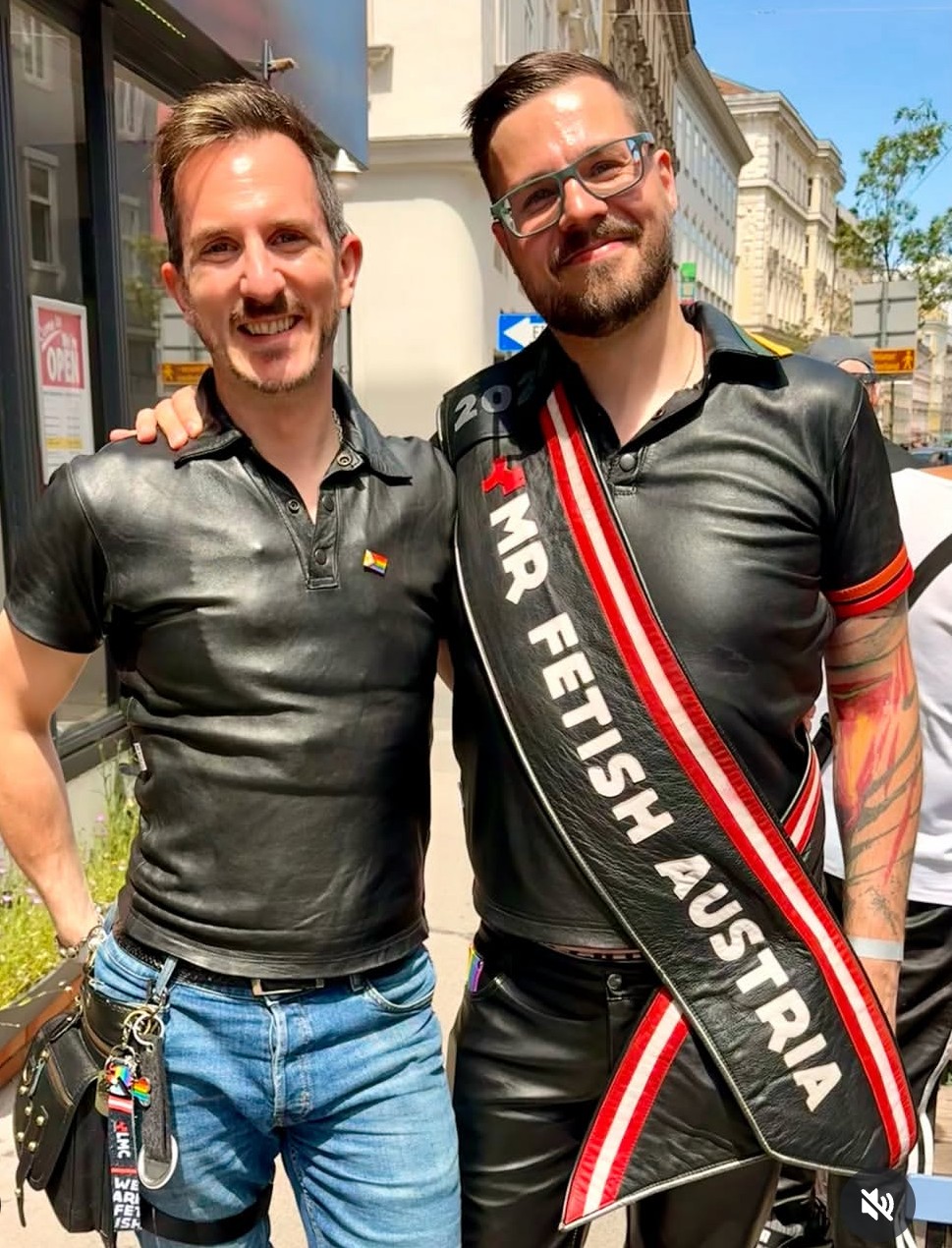
Today, I work as a QA Expert at Novartis. I speak at conferences. I lead diversity initiatives. I advocate for LGBTQ+ inclusion, disability awareness, and mental health. I proudly serve as Mister Fetish Austria and use that platform to build bridges between communities that are often misunderstood.
What I value most is that I do not feel pressured to hide who I am. At Novartis, I have found an environment where I can bring my whole self to work, turn my experiences into meaningful impact, and help create a culture where others feel safe to do the same.
Many people assume these achievements somehow prove that my ADHD "can't be that bad."
In reality, they exist alongside my ADHD—not despite it.
My curiosity allows me to connect ideas that others might never link together.
My hyperfocus helps me immerse myself completely in projects that matter to me.
My empathy enables me to understand people whose experiences differ from my own.
The same brain that sometimes overwhelms me is also the brain that allows me to dream bigger than I ever imagined.
Disability Pride Month reminds us that disability doesn't always look the way society expects.
Not every disability is visible.
Not every disability requires a wheelchair, a white cane, or hearing aids.
Sometimes it looks like the colleague who seems incredibly productive but goes home completely exhausted from masking all day.
Sometimes it looks like the student who understands the material but cannot organize their thoughts during an exam.
Sometimes it looks like the friend who cancels plans because their brain has reached its limit.
Sometimes it looks like me.
I also believe we need to rethink how we define success.
For years, I measured myself against people whose brains worked differently from mine.
Now I ask a different question.
Am I building a life where I no longer have to apologize for how my brain works?
That shift has changed everything.
Disability Pride is not about pretending that living with ADHD is easy.
It isn't.
There are days when it is frustrating. There are moments when I wish my brain would simply slow down. There are opportunities I have missed because executive dysfunction won that day.
Acknowledging those realities doesn't make me weak.
It makes me honest.
At the same time, I refuse to define myself solely by the challenges.
ADHD is one part of who I am.
It shapes my experiences, but it does not limit my potential.
What I hope people take away from my story is this:
Before assuming someone is lazy, difficult, unreliable, or overly emotional, consider that there may be a story you cannot see.
Many people spend years fighting battles that remain completely invisible to everyone around them.
A little patience can change someone's day.
A little understanding can change someone's confidence.
A little acceptance can change someone's life.
It certainly changed mine.
Receiving my ADHD diagnosis at 40 didn't give me a new identity.
It gave me permission to stop pretending to be someone else.
And perhaps that is what Disability Pride is truly about.
Not celebrating our struggles.
But celebrating the freedom to exist exactly as we are—and creating a world where nobody has to hide the way their mind works in order to belong."