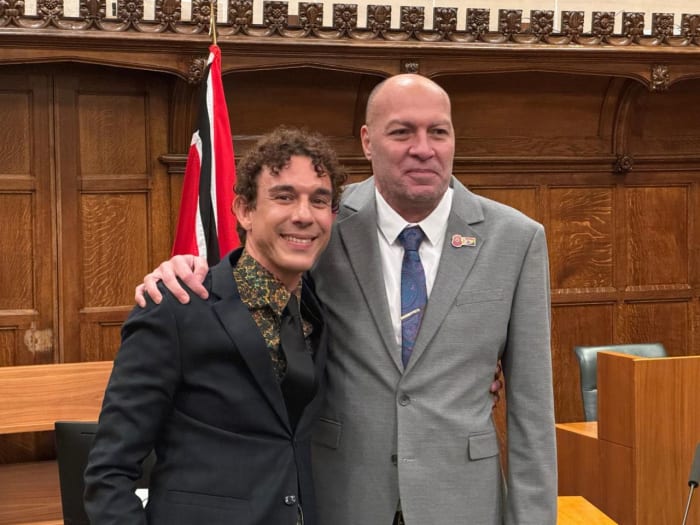
Jason Jones took on Trinidad's buggery law nine years ago. This week he won
November 12, 2026On Tuesday the Privy Council in London threw out Trinidad and Tobago's ban on gay sex. Five judges, unanimous. The law can't be used to criminalise what consenting adults do in private, and that's the end of it.
The man who got it there is Jason Jones. He's from Trinidad, has lived in Britain for over thirty years, and has been doing this kind of thing since he marched against Section 28 as a student in 1988.
How we got here
The ban started life as the Buggery Act under Henry VIII. The British imposed a version on Trinidad in 1925 and it survived independence in 1962, because the constitution has a "savings clause" that protects any law that was already on the books. In 1986 Trinidad rewrote it, made the sentences longer and extended it to women. So the law Jones was fighting wasn't really colonial any more. As he told CNN, this was homegrown homophobia.
He sued in 2017. He won in the High Court in 2018. Then in 2025 the Court of Appeal reversed that, said the savings clause protected the old law, and the ban was back: five years for buggery, two for gross indecency. Jones took it to the Privy Council, which is still the final court for Trinidad and a few other Caribbean countries. His argument was that the 1986 law was a new law, not a saved one. On Tuesday the court agreed.
Doing it without the backing
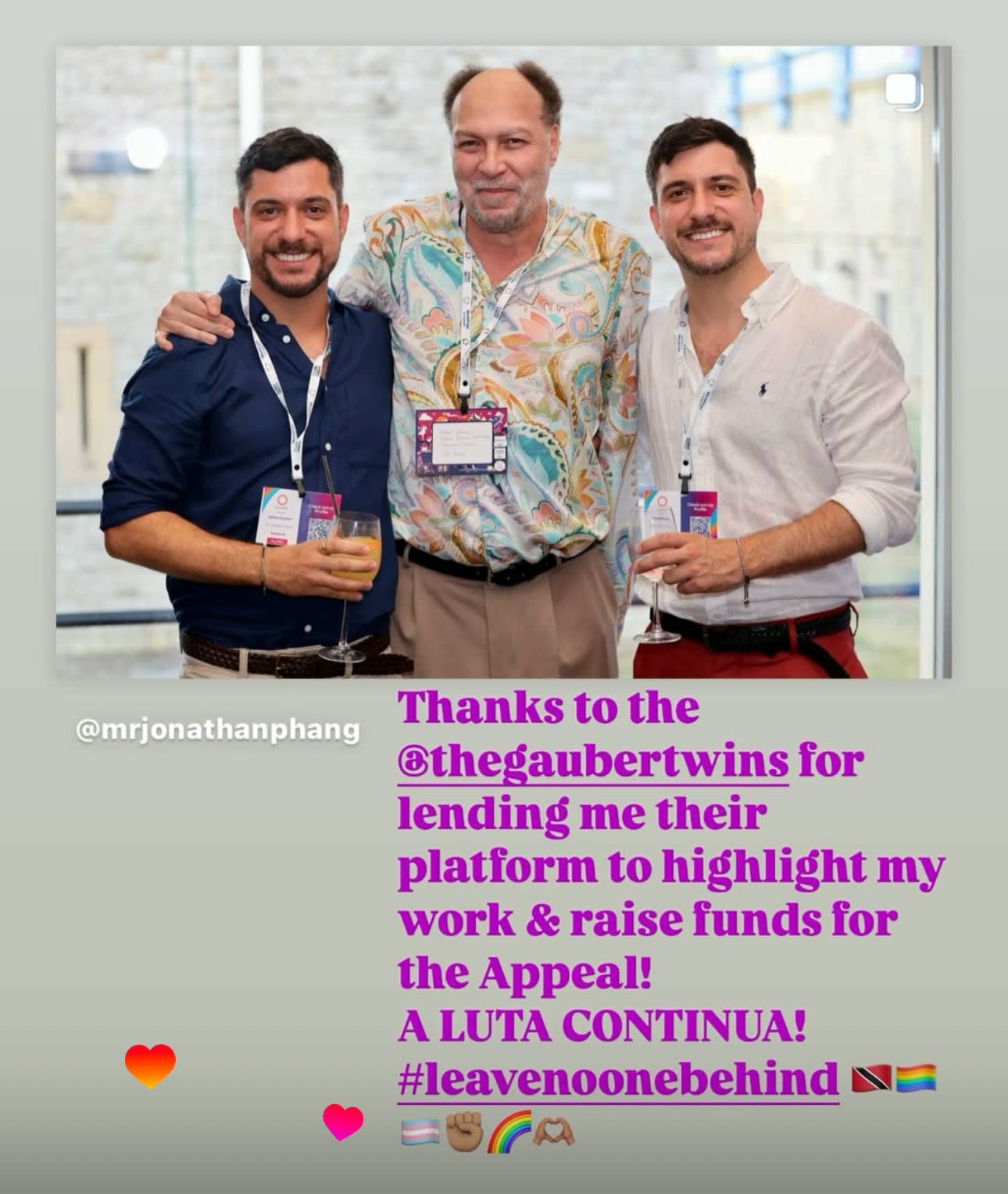
He didn't have the support you'd expect. When he started, the biggest LGBT group in Trinidad wrote to international funders telling them not to back him. He did it anyway. The privacy argument that won his 2018 case was picked up by lawyers in India when they were fighting Section 377.
He also had a hand in changing UK immigration rules so that British LGBT people could bring overseas partners here. He likes to point out that makes him the only activist to have changed the law for LGBTQ+ people in two countries. He's probably right.
What happens now
The ruling only applies to Trinidad and Tobago, but the savings clause argument he's just beaten is the same one propping up old sodomy laws across the Caribbean, and several of those countries still go to the Privy Council. Lawyers elsewhere will have read Tuesday's judgment carefully.
Jones says the next job is civil partnerships, and getting Parliament to take the savings clause out of the constitution. He told CNN that living under the law had felt like being in a bird cage. "I'm really proud that I was able to give us a sense of freedom."
Why it matters for work
Trinidad is the biggest energy economy in the Caribbean and plenty of international firms have people there. Until this week, their LGBTQ+ staff were working under a law that could put them in prison. If you've got a team in Port of Spain, the legal ground under your inclusion policy just got a lot firmer.
And if you're ever told your fight is too small or nobody serious is behind you: nine years, three courts, one man.
If you would like to book Jason Jones as a speaker for your organisation, contact [email protected].
Sources: Metro Weekly, CNN, SOAS, Journal of Indentureship and Its Legacies, 10–11 November 2026.