
Kennedys' Lorna Culpin interviews Scott McKinnell and Ben Gilbey on staff networks and intersectionality
April 3, 2025By Lorna Culpin, DE&I Manager at Kennedys
Can you tell us a little bit about yourself, your role at Kennedys, and your involvement with our networks:
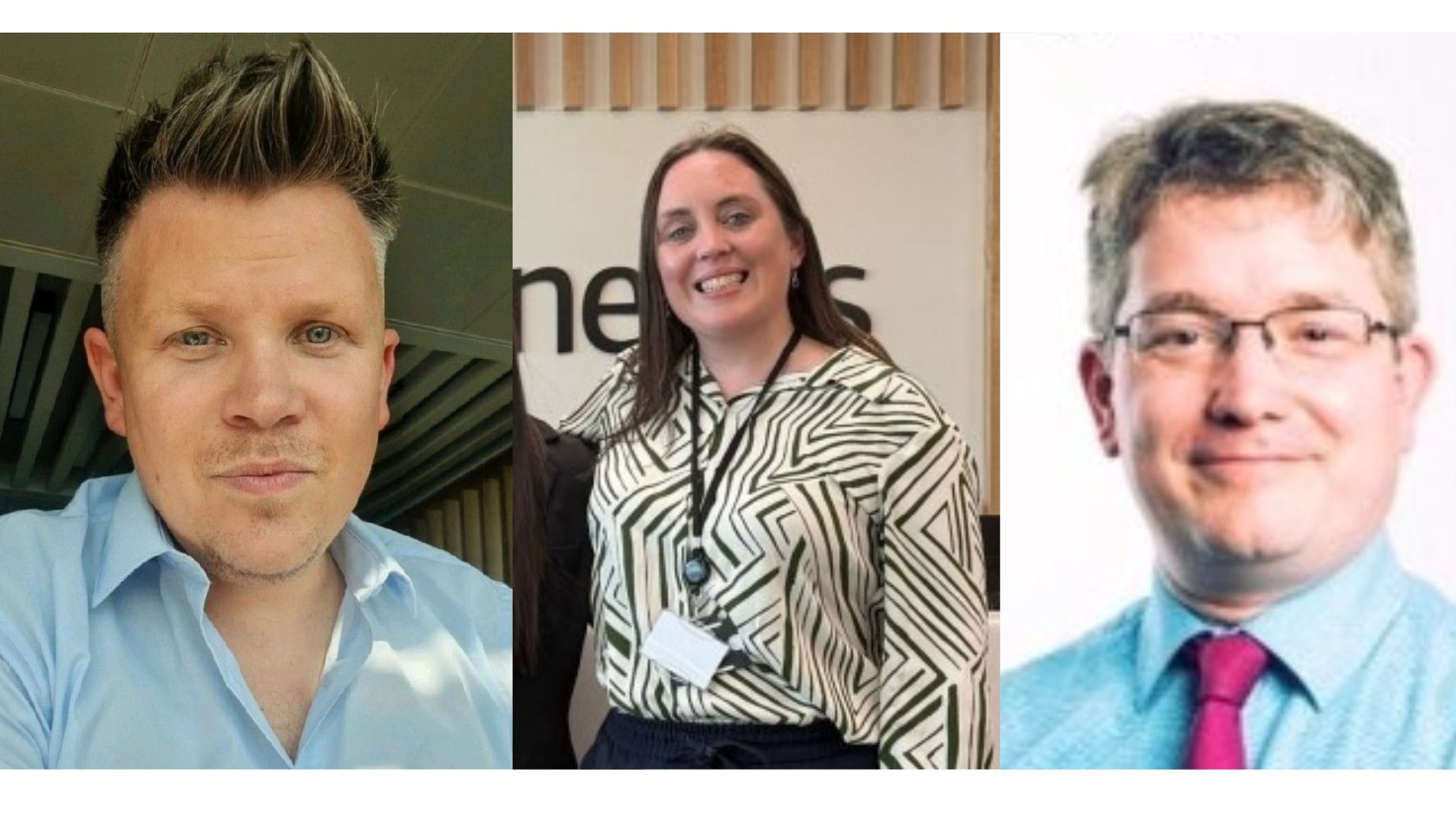
Scott McKinnell: I am a Legal Director in our real estate and construction team, representing a variety of clients within the construction sector. I also co-chair the DANDI network, which stands for Disability and Neurodiversity Discussion for Impact group. We aim to raise the profile of those who are disabled and/or neurodivergent, giving them a space to network and share experiences.
Ben Gilbey: I am a HR Advisor in the recruitment team and have been with Kennedys for seven years. I was involved from the start with our Rainbow network, which is our LGBTQ+ network, acting as a global chair and participating in panel events and networking.
Can you explain a little bit about what intersectionality means for you?
Ben: It is the understanding that different people experience the world differently. Whether that be due to gender, race, sexuality, disability or socio-economic background. When these factors overlap and create intersections they can build different challenges and barriers. As a gay man I experience certain challenges, but as a man there are advantages I may have experienced. This looks different for everyone.
Scott: It’s about trying to level the playing field. Often people will focus on the challenges people face, but there are also massive benefits associated with having diverse abilities and those with different intersections in your team.
How has intersectionality impacted the way you navigate the working world and your time at Kennedys?
Scott: I was a single Dad and sole care giver for a number of years and I am now a Dad to six children! There is a lot of stigma associated with single parents, especially as a man. Often there are lots of expectations as to what a male lawyer should be and this doesn’t always fit in well with the role of being a primary care giver. Evenings and events with alcohol can be particularly challenging, and this is an intersection I see with a number of our networks, including our Parents and Carers Network, Ethnicity sand Cultural Network (EMBRACE) and DANDI. I have always known I was different so getting my neurodiversity diagnosis and being able to be part of a group of like-minded individuals has really helped. My ability to hyperfocus, my attention to detail, and my ability to spot patterns and trends, blended with my resilience, have all been a real advantage in my career. I hope the experiences I have had in my 27 year career can be shared to make life easier for others in the profession as they progress in their careers.
Ben: For me, it has made me more aware of both the challenges and privileges others may identify with. In the past, I have had to assess workplace situations and make a judgment about whether I can be truly be open about who I am, which presents a real challenge. On the flip side, I know there are situations where being a man may have given me an advantage.
What do staff networks mean to you? What is the importance of intersectionality within your network and how do you celebrate this?
Ben: It is a great way to build your wider community and support network. They allow you to connect, feel seen and heard. Networks are also important to drive change with things that may otherwise be overlooked. They are vital in workplaces growing to be more inclusive. Intersectionality is so important within our networks. As a foster parent, I have been able to open doors to conversations I wouldn’t have usually been a part of as a gay man, whilst also bringing this intersection to the table with these conversations.
Scott: The legal sector as a whole is supposed to be representative of the population at large. However, this hasn’t always been the case. Staff networks are an important step in making the workplace more inclusive and embracing intersectionality.
Finally what developments would you like to see in the legal sector or workplace more broadly to support a greater understanding of intersectionality?
Scott: I would love to see an understanding of physical challenges for our disabled colleagues, such as the challenge of an early or late meeting, and needing to navigate busy public transport systems at peak times. Also, a consideration of the language we use and how this can be negatively interpreted by neurodivergent folk. Clarity of routes to senior leadership will help many intersections of diverse characteristics, making the workplace more inclusive and representative.
Ben: More policies that specifically call out intersectionality and the impact of this. I also think more training and awareness in this space, as well as mentorship focused on intersectionality would help.
Closing comments from Lorna:
It is great to hear from two of our co-chairs on their different lived experiences and perspectives of intersectionality, and what this has meant for their lives and careers. Intersectionality plays such an important role in our staff networks and we are increasingly seeing our networks planning to deliver joint events to cover different intersections and attract wider audiences. Doing so not only provides a greater level of support across the firm, but also helps foster a greater understanding of our differences and the benefits to building diverse teams.