
Kenyan advocacy groups criticise appeals court over delayed decriminalisation ruling
March 6, 2025Queer Kenyans and advocacy groups have voiced their disappointment over the indefinite delay of a crucial decision in their case aiming to legalise consensual same-sex relations in the country.
Three judges were supposed to preside over this significant case for the LGBTQ+ community, which has been pending at the Court of Appeal since 2019, on February 5, but the hearing was put off indefinitely.
Judge Fred Ochieng unexpectedly withdrew from the case “due to personal reasons,” while three respondents raised procedural issues, claiming they hadn't been properly served.
The remaining judges, Aggrey Muchelule and Joel Ngugi, instructed that the respondents be properly served and requested Court of Appeal President Daniel Musinga to reconstitute the bench and assign a new hearing date.
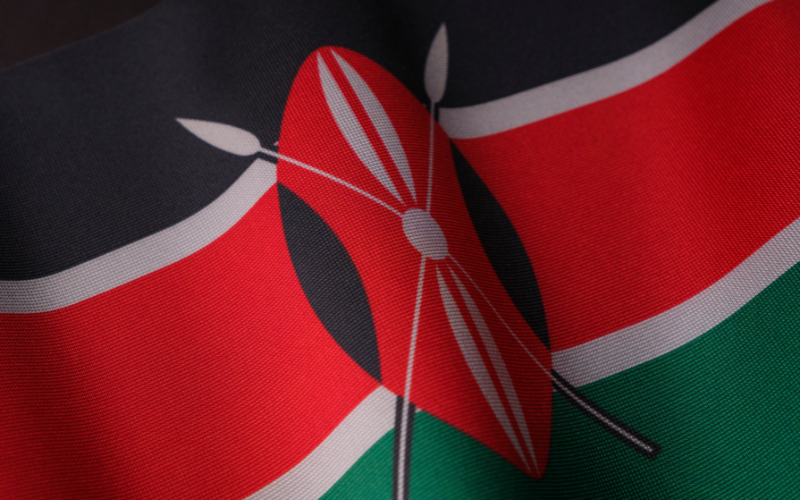
The respondents include the attorney general and several anti-LGBTQ+ groups, such as the Kenya Christian Professional Forum and the Ummah Foundation, which supports Islamic values. The plaintiffs are the National Gay and Lesbian Human Rights Commission (NGLHRC), the Center for Minority Rights and Strategic Litigation (CMRSL), and GALCK+, a coalition of 16 queer rights organisations.
According to ‘Washington Blade’, LGBTQ+ rights organisations have criticised the court’s directive, describing the latest developments as a ploy to further “delay justice,” after nearly six years of waiting.
“The battle is far from over,” GALCK+ declared. “Our fight to overturn colonial-era laws that criminalize LGBTQ+ Kenyans' human rights continues in our pursuit of dignity, equality, and justice. We will not retreat.”
The plaintiffs initially filed the case in 2015, challenging the constitutionality of Sections 162 and 165 of Kenya’s colonial-era penal code, which criminalise “carnal knowledge against the order of nature” and “indecent acts between males,” with a 14-year jail term.
In its May 2019 ruling, the court refused to decriminalise these sections. The queer rights organisations argued the State has no right to criminalise consensual same-sex relations between adults and noted the Kenyan constitution prohibits discrimination of any kind, including on the basis of sex.
However, the court upheld the notion that the same-sex acts criminalised by Sections 162 and 165 violate the constitutional provision protecting the family as the “natural and fundamental unit of society.” Kenya’s constitution only acknowledges consensual relations between a man and a woman.
Although Muchelule and Ngugi assured that the postponed appeal would be prioritised when the new bench is formed, GALCK+ remarked that the delay is “frustrating” and vowed not to be silenced.
“This concerns our lives, rights, and freedom,” GALCK+ emphasised. “We are present. We are vigilant. And we will not stop fighting until love is not criminalized. We will continue to keep an eye on the case and stand in solidarity with the queer community.”
GALCK+ also stated they would press on with advocacy efforts and engage relevant stakeholders to champion a future where consensual same-sex relations aren't criminalised.
NGLHRC also expressed disappointment over the postponement, stressing that abolishing the “outdated, discriminatory anti-homosexuality laws” is essential for upholding basic human rights and the dignity of every person, regardless of sexual orientation, gender identity or expression, or characteristics.
“As we await the new hearing date, we reaffirm our dedication to challenging these unjust laws and will continue collaborating with like-minded allies to create a society that respects everyone's rights and dignity,” NGLHRC stated.
CMRSL, which defends queer individuals accused of homosexuality in court, noted law enforcement continues to target LGBTQ+ individuals because these penal code sections remain.
“These provisions have historically been used by the State to target and harass LGBTQ+ individuals for their gender identity and sexual orientation, fostering discrimination, marginalization, and persecution,” stated Michael Kioko, CMRSL Legal Manager.
He emphasised that these anti-homosexuality provisions have violated the right to privacy and human dignity for queer people, pointing out that authorities have used forced genital examinations and HIV tests as evidence against them.
“These practices violate constitutionally and internationally protected rights, including the right to human dignity, privacy, and protection from cruel, inhuman, or degrading treatment,” Kioko stated.