
Labour Party restricts trans women’s access to main proceedings at Women’s Conference
December 8, 2025Transgender women will be barred from participating in the primary sessions of the Labour Women’s Conference when the event returns in 2026, marking a significant rollback of inclusive practices within the party’s internal structures.
Following a legal review triggered by a Supreme Court ruling regarding the definition of sex under the Equality Act, the party has determined that trans women will be excluded from the main hall, effectively preventing them from contributing to speeches or voting in key policy debates.
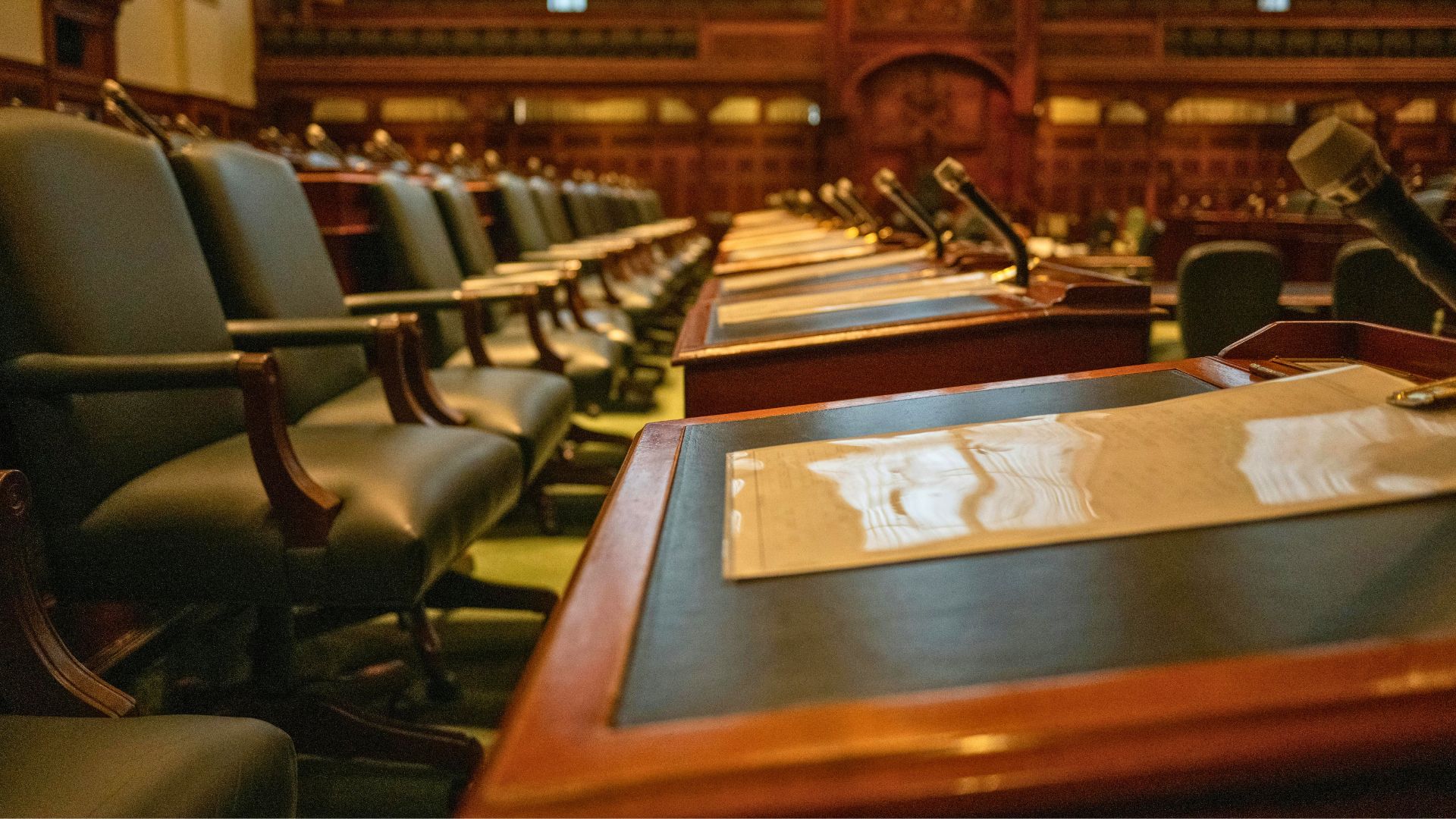
While the party previously operated on a model of self-identification that allowed trans women to fully participate in the conference and access "positive action" measures such as all-women shortlists, the new rules enforce a biological definition of womanhood for formal proceedings.
As the BBC reports, a party spokesperson described the decision as the "least restrictive" method of balancing legal compliance with accessibility. Under the new guidelines, trans women will be relegated to attending fringe events, which remain open to all attendees regardless of sex, but they will be segregated from the formal democratic mechanisms of the women’s conference.
The impact of the Supreme Court's April ruling, which interpreted the definition of a woman based on biological sex for the purposes of single-sex service exemptions, caused the cancellation of the 2025 Women's Conference while Labour officials sought legal counsel. Confirming the 2026 event would proceed under these exclusionary terms, the spokesperson stated the move reflects a commitment to addressing the under-representation of women while adhering to the law.
This shift within Labour occurs against a backdrop of delayed government guidance on the Equality Act. The Equality and Human Rights Commission (EHRC) has submitted a redrafted code of practice to the government, but Equalities Minister Bridget Phillipson has yet to sign off on the document, insisting on taking time to ensure the guidance is "legally sound" and does not fail women. Baroness Falkner, the outgoing head of the EHRC, criticized the delay, suggesting the government may be hesitating due to pressure from MPs who support trans inclusion and self-identification, resulting in a "grey zone" regarding the management of single-sex spaces.
The restriction of trans women’s rights within the Labour Party parallels similar exclusionary moves by other prominent UK organizations following the judicial ruling. In the days leading up to Labour's announcement, both the Women’s Institute and Girlguiding UK declared that they would no longer allow transgender women and girls to hold membership, signaling a troubling shrinking public sphere for trans people across civil society.