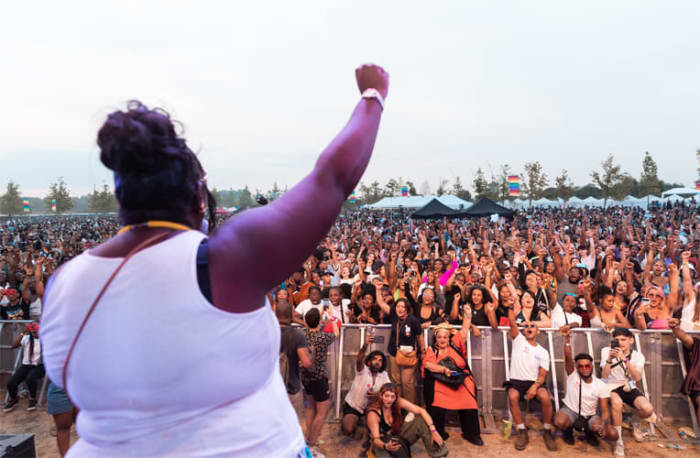
Lady Phyll: Pioneering pride and progress
October 24, 2025To mark Black History Month, myGwork's Pepi Sappal talks to Phyll Opoku-Gyimah, famously known as Lady Phyll – the powerhouse behind UK Black Pride and a pioneering advocate for racial, gender, and LGBTQ+ equality – about her inspiring vision for UK Black Pride and the future of equality.
Lady Phyll has been a trailblazer in transforming the landscape for Queer, Trans, and Intersex People of Color in the UK and beyond. As the co-founder of UK Black Pride, she launched Europe’s first event celebrating LGBTQ+ people of African, Asian, Caribbean, Middle Eastern, and Latin American descent, focusing on the spiritual, emotional, and intellectual wellbeing of these communities. She stepped down from her role as Executive Director at the Kaleidoscope Trust to fully dedicate herself to this mission as CEO of UK Black Pride, which will be celebrated on August 10 this year.
Read the full interview below.
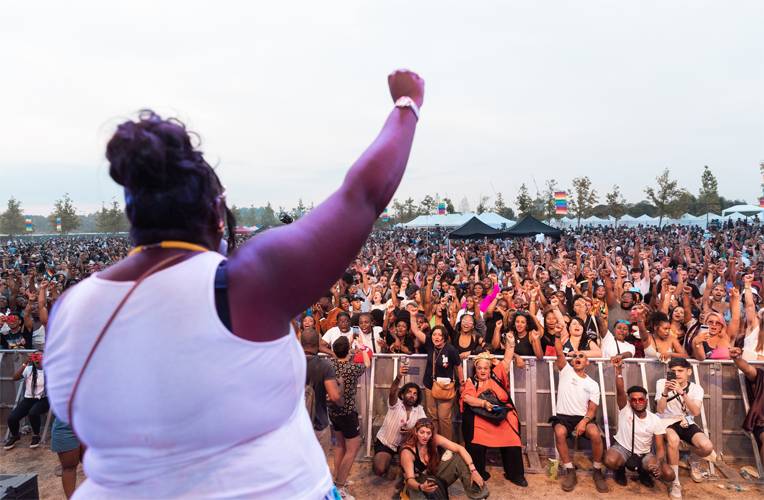
Image credit: UK Black Pride
Question: Can you tell us more about your decision to lead UK Black Pride? What motivated this move?
Lady Phyll: Certainly. It's always interesting when I'm asked about my roles at Kaleidoscope Trust and UK Black Pride because there are so many connections between the two. Leaving Kaleidoscope Trust was bittersweet; I deeply admire the international work it does. But as UK Black Pride continues to grow, it requires more resources and attention. Transitioning to focus fully on UK Black Pride felt natural because I've been involved for a long time. The aim is to expand UK Black Pride beyond just a celebration, turning it into an organization that actively combats racism, homophobia, biphobia, transphobia, and other forms of discrimination faced by Black and POC queer communities.
Question: What are your ambitions for UK Black Pride in the coming years, especially in terms of combating discrimination?
Lady Phyll: My ambitions are straightforward, but implementing them requires effort. UK Black Pride will always have its annual festival, but we also have initiatives like our Community Action Fund and Community Action Plan, which support grassroots organizations tackling issues like HIV/AIDS, mental health, gender identity, and healthcare for trans and non-binary people. We're particularly focused on supporting young Black and POC queer people outside of London, who often get overlooked. There's a lot to do, but with a dedicated team and support from organizations like myGwork, we'll make it happen.
Question: Despite the progress made to date in LGBTQ+ equality in the UK, there is still much work to be done to achieve true equality. What steps should leaders in corporate and political spheres take to create lasting change?
Lady Phyll: I want to start by saying that UK Black Pride isn't aligned with any political party. However, politics is crucial for lobbying and advocating for the changes we need, given how our identities are often politicized. Corporations need to better understand their corporate social responsibility and collaborate more with grassroots activists. It's about understanding the dynamics and nuances of these communities and how corporations can amplify and support their essential work. Collaboration and partnerships are key. We also need to see political leaders focus less on rhetoric and more on implementing policies that ensure LGBTQ+ people have access to housing, healthcare, education, and fair employment opportunities. This requires a strong, action-oriented manifesto from all parties involved.
Question: Can you walk us through your career journey and share some key milestones and lessons you've learned along the way?
Lady Phyll: I've been working for 30 years, starting in roles like selling double glazing and Tupperware. My formal career began in the civil service, where I spent over a decade working in various departments, from the benefits agency to fraud investigations. I later became the first Black senior lead negotiator for both public and commercial service unions, dealing with employment rights frameworks. After that, I led political campaigns and equality initiatives before moving to Kaleidoscope Trust as executive director. Throughout my career, I've always been involved in advocacy, whether it's volunteering at women's refuges or working with refugees. My passion for social justice and community activism stems from my upbringing and the struggles my parents faced as immigrants in the UK.
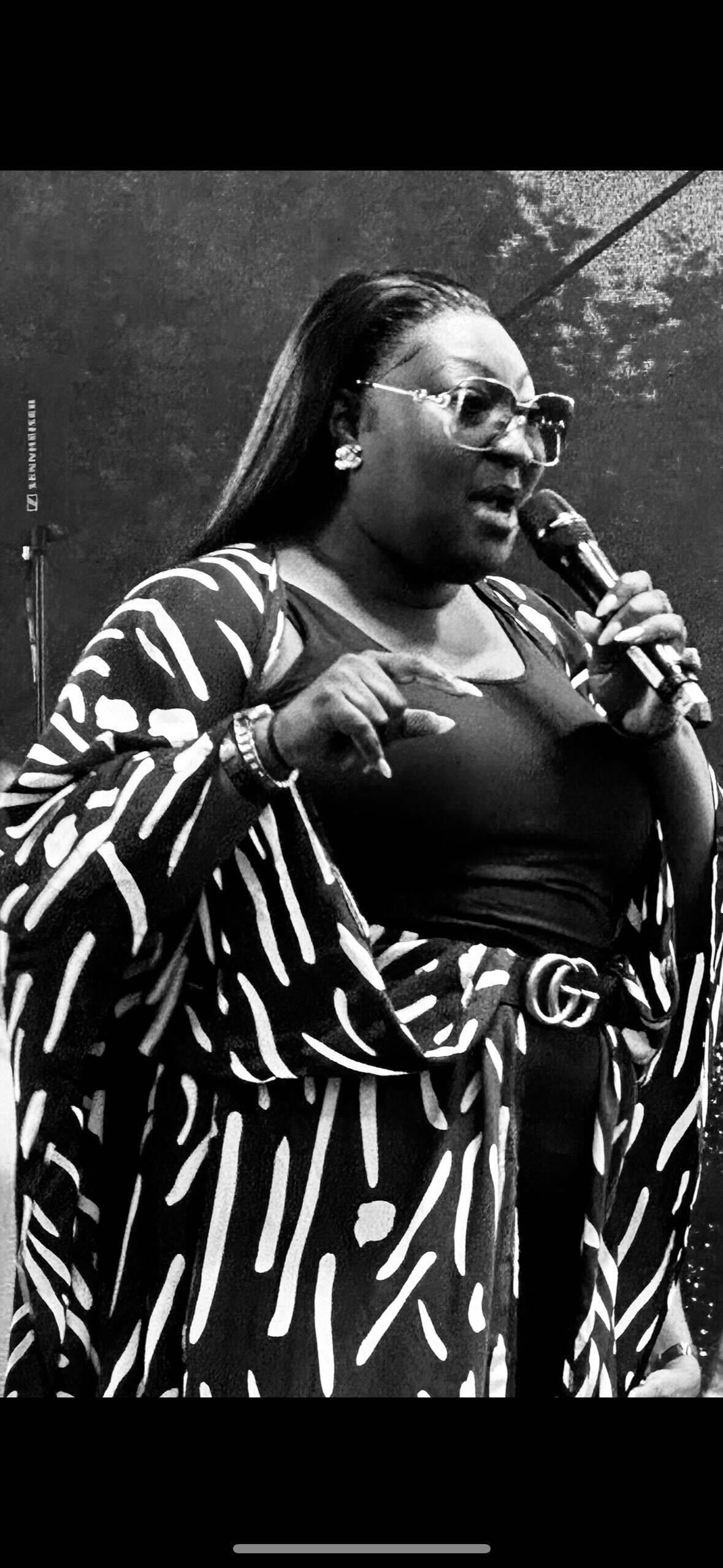
Image credit: UK Black Pride
Question: You've held key roles where you were often the only Black woman, or even the only woman, in the room. How have you navigated these spaces?
Lady Phyll: That's accurate. Being the only or the first in these spaces is fine, as long as you're working to open doors for others. I don't want to be the only one; that would mean nothing is changing. We need to disrupt spaces that have historically excluded women, LGBTQ+ people, Black people, and others. My work takes an intersectional approach, understanding how race, gender, and class intersect and create barriers. It's about more than just diversity; it's about dismantling systemic oppression.
Question: Given your rich background in political activism, do you see yourself returning to a political role in the future? If so, what areas would you focus on?
Lady Phyll: While I enjoy advocating for change from outside traditional political spaces, I find the current systems to be quite antiquated and bureaucratic, which can stifle voice and agency. That said, I won't rule it out, but for now, my focus remains on international human rights and advocating for the rights of trans and non-binary people, as well as issues related to race, especially concerning Black and Asian women's health and workplace equality. I plan to continue this work for as long as I can, because there’s still so much to be done.
Question: What advice would you give to individuals who want to advance equality and inclusion in their communities?
Lady Phyll: Get involved. There are many grassroots organizations in need of support, whether through volunteering or offering your skills in areas like finance, marketing, or communications. For those in corporate spaces, join your Employee Resource Groups (ERGs) and engage with their strategies. It's crucial to hold your senior leadership accountable for taking equality, diversity, inclusion, and belonging seriously. Change doesn’t happen by sitting on the sidelines; it requires active participation.
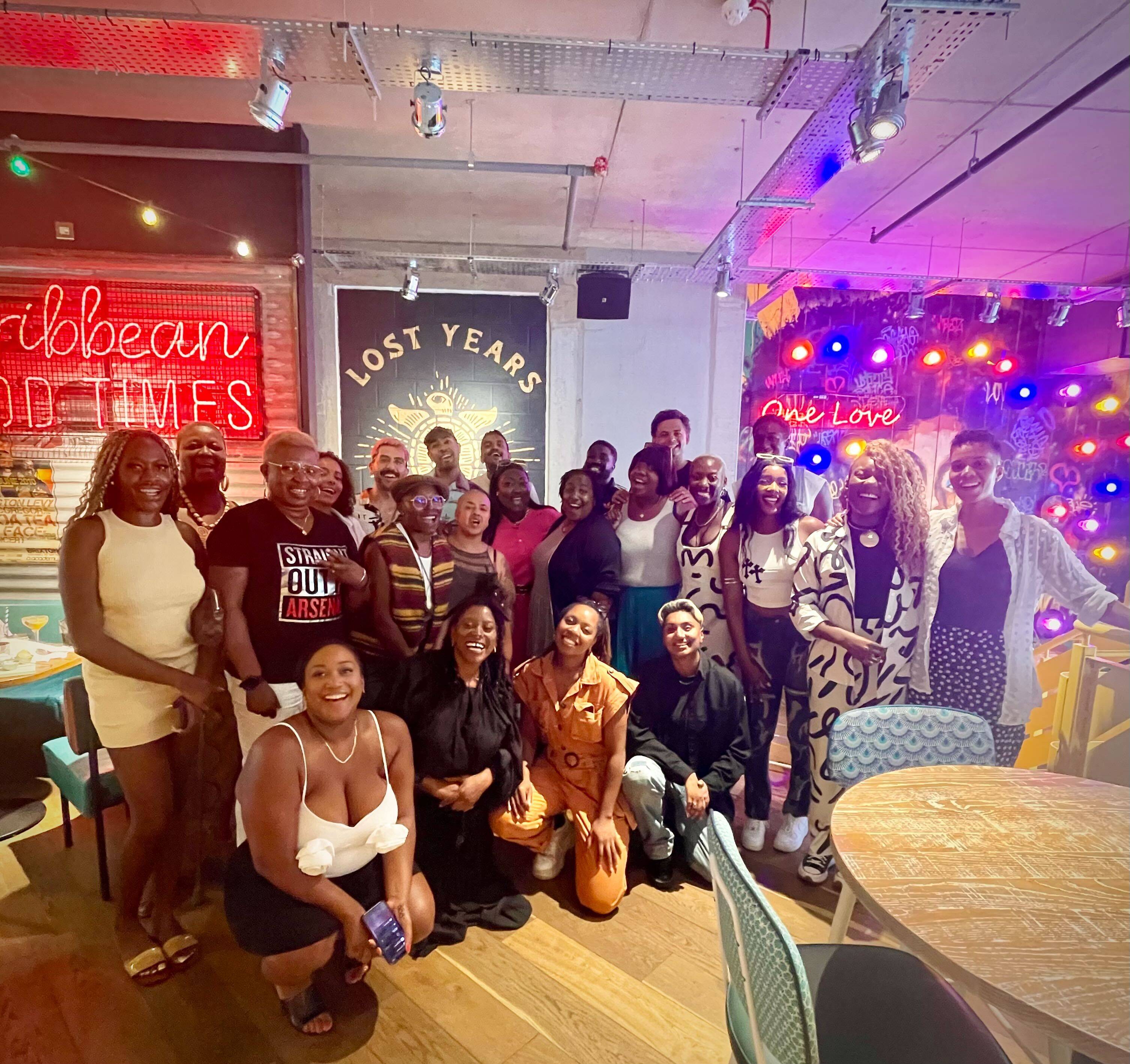
Image credit: UK Black Pride
Question: What are your thoughts on allyship, fostering unity, belonging, and equal opportunities for everyone?
Lady Phyll: Everyone can be an ally. It’s about solidarity, doing your homework, and not relying on those with lived experiences to educate us all the time. We must actively listen and think about how to use our privileges to amplify others. For corporations, it’s about putting your money where your mouth is – supporting smaller, underfunded Pride events and ensuring your actions have a meaningful impact.
Question: How can more people and companies support UK Black Pride and contribute to its mission and growth?
Lady Phyll: UK Black Pride always welcomes support and partnerships. It's about building meaningful relationships with clear actions that promote the growth of both our communities and your ERGs. Start with a conversation – let’s discuss our needs, aspirations, and the data that drives our work. Volunteering is invaluable, especially since many organizations like ours don’t have the funding to recruit more people. As UK Black Pride continues to grow, we need sustained support from corporations that are genuinely committed to engaging with and uplifting diverse, intersectional communities.
Question: What are you currently reading, and is there a podcast you'd recommend to our audience?
Lady Phyll: I just finished reading Cack-Handed by Gina Yashere, a Black lesbian comedian. It was hilarious but also very real and raw. I also recommend Sista!, an anthology that I co-edited with John R. Gordon and Rikki Beadle-Blair, which features 31 stories from Black British queer women. It’s a beautiful collection that covers our trials, tribulations, and successes. For podcasts, I recommend Busy Being Black by Josh Rivers and Two Twos by Nana and Rose.
Question: What’s your favorite travel destination?
Lady Phyll: I love the Caribbean St. Lucia, Jamaica, Grenada. But Tonga, in the Pacific past Fiji, is probably my favorite. The journey was long, but it was worth it. Tonga also has one of the longest-running trans groups, the Tonga Leitis' Association , which does incredible work.
Question: Do you want to share any final thoughts?
Lady Phyll: Let’s keep having these conversations. The world often feels turbulent, and people can feel isolated, whether they’re in a big corporate setting or working in grassroots activism. Ongoing dialogue helps us understand what we can do differently and how we can reach out to each other for support.
CELEBRATING UK BLACK PRIDE
UK Black Pride returned to Queen Elizabeth Olympic Park on Sunday, August 10, 2025.
From its humble beginnings in 2005 as a small seaside gathering on Southend-on-Sea, UK Black Pride has exploded into the world’s largest celebration of LGBTQ+ people of African, Asian, Caribbean, Latin American, and Middle Eastern heritage. Commenting on this year's event, Lady Phyll said:
“It is with such joy that we can announce our return to Queen Elizabeth Olympic Park for the third year running. It is slowly becoming a great home for our event as we grow bigger and bigger. As we reflect on previous years, we are planning to make this the biggest and the boldest UK Black Pride yet. We are working on the theme for this year and it is going to be a powerful one."
Click here for more details.
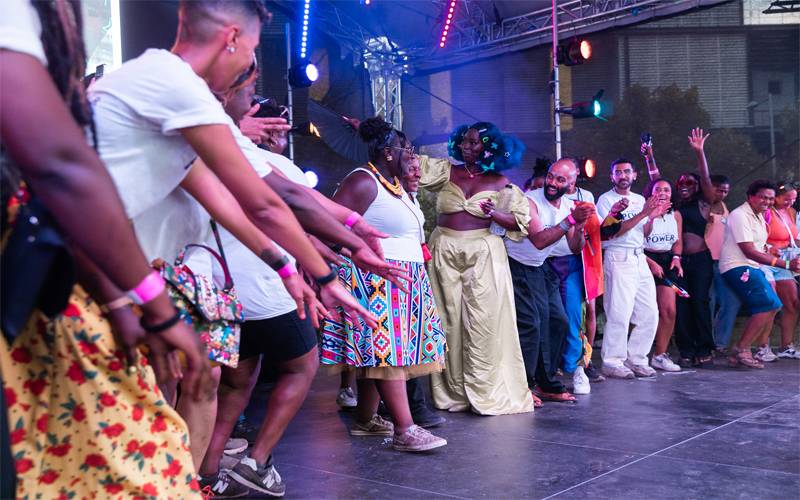
Image credit: UK Black Pride