
Latest U.S. policy shift threatens global diversity and inclusion efforts
November 21, 2025A recent directive from the U.S. State Department, suggesting that countries implementing diversity, equity, and inclusion (DEI) policies could be considered in violation of human rights, has drawn sharp criticism from advocates who fear the move undermines global progress toward equality.
The new guidelines, disseminated to U.S. embassies and consulates responsible for compiling the annual report on global human rights abuses, represent a concerning departure from established human rights principles and a potential setback for marginalized communities worldwide.
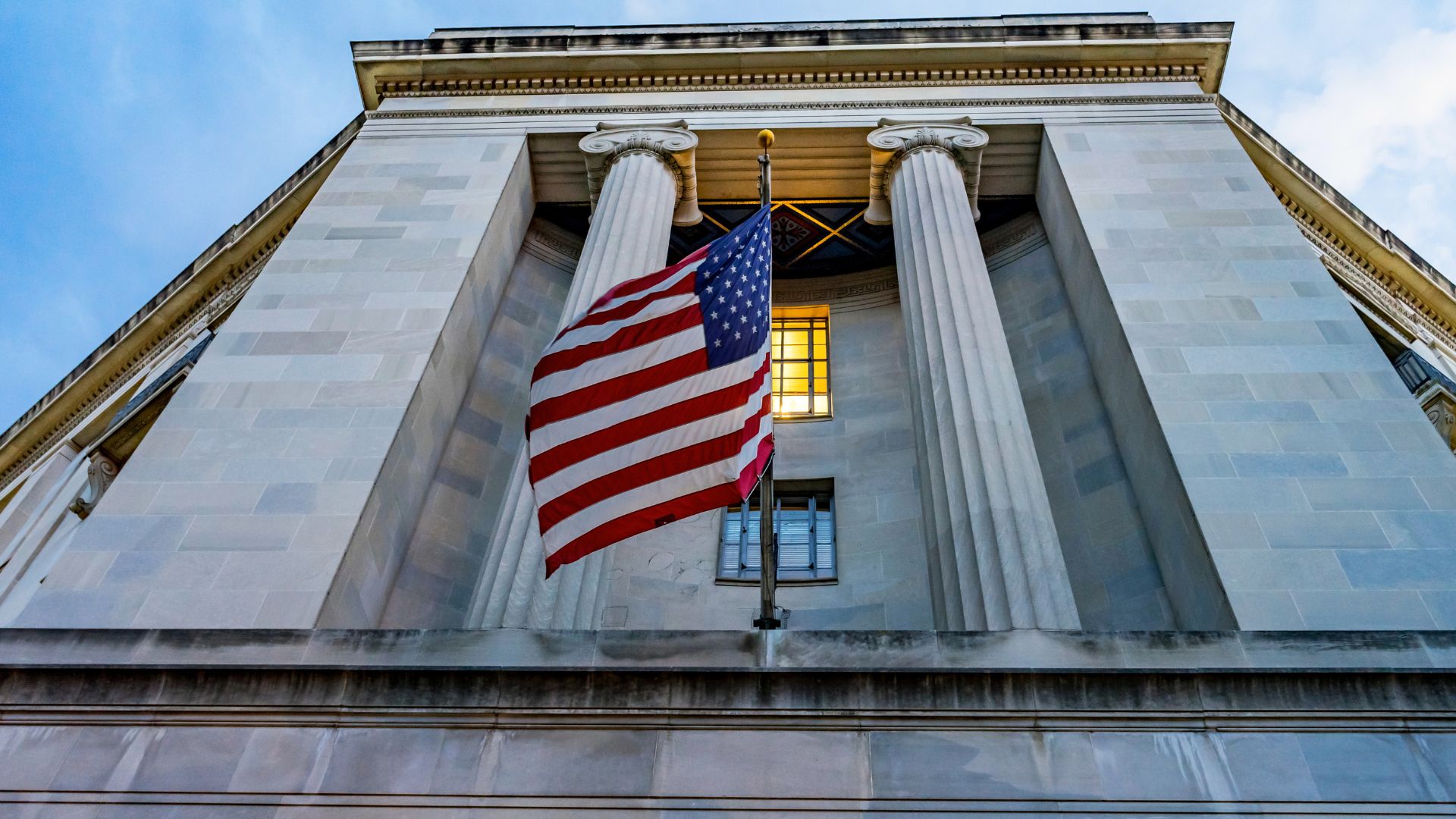
Critics argue that the U.S. is attempting to redefine human rights to align with a narrow ideological agenda, potentially jeopardizing initiatives designed to promote equal opportunity and address historical disparities. As reported by the BBC, the expanded definition of human rights violations includes countries that subsidize abortion or facilitate mass migration, further exacerbating these concerns.
"This policy shift represents a dangerous attempt to weaponize human rights for political purposes," stated Uzra Zeya, a former senior State Department official and current head of Human Rights First. "By equating DEI initiatives with human rights abuses, the U.S. is undermining the very principles of equality and inclusion that it should be championing."
The new guidelines have sparked fears that U.S. embassies and consulates will now be pressured to downplay or ignore human rights violations against women, LGBTQI+ individuals, religious and ethnic minorities, and other marginalized groups in countries with robust DEI policies. This could have a chilling effect on efforts to hold governments accountable for discrimination and inequality.
"DEI policies are essential tools for creating more just and equitable societies," said a spokesperson for a leading human rights organization. "They are designed to address systemic barriers that prevent certain groups from fully participating in economic, social, and political life. To characterize these efforts as human rights violations is not only inaccurate but also deeply harmful."
The policy shift also raises concerns about the independence and integrity of the State Department's annual human rights report, historically regarded as a comprehensive and objective assessment of human rights conditions worldwide. Critics fear that the report will now be used to advance a partisan agenda, potentially distorting the true picture of human rights abuses around the globe.
"It is imperative that the U.S. government reaffirm its commitment to promoting diversity and inclusion as fundamental human rights," stated a coalition of human rights organizations in a joint statement. "We urge the State Department to reconsider these misguided guidelines and ensure that its human rights policies are based on evidence, not ideology."
The new policy has generated widespread condemnation from human rights advocates, who are calling on the U.S. government to reverse course and reaffirm its commitment to promoting diversity, equity, and inclusion as essential components of a just and equitable world.