
LGBTQ+ allyship explained: complete workplace guide
January 1, 2026
Nearly one in five american adults identifies as LGBTQ+ or knows someone who does, yet workplace support often falls short of true inclusion. For many professionals, understanding what it really means to be an ally goes beyond simple acceptance and requires ongoing effort and action. This article breaks down the real meaning of LGBTQ+ allyship, shares the most effective principles, and reveals how intentional allyship shapes more welcoming, respectful American workplaces for everyone.
Key Takeaways
Defining LGBTQ+ Allyship and Core Principles
Allyship is more than passive support - it’s an active, intentional commitment to understanding, respecting, and advocating for the LGBTQ+ community within professional environments. As PubMed research highlights, developing clear conceptualizations of allyship is crucial for creating meaningful, systemic support.
At its core, LGBTQ+ allyship represents a proactive approach to dismantling discriminatory structures and creating inclusive spaces where every professional can thrive regardless of sexual orientation or gender identity. According to NACE Web, true allyship demands more than good intentions - it requires consistent, compassionate action tailored to the specific needs of LGBTQ+ individuals.
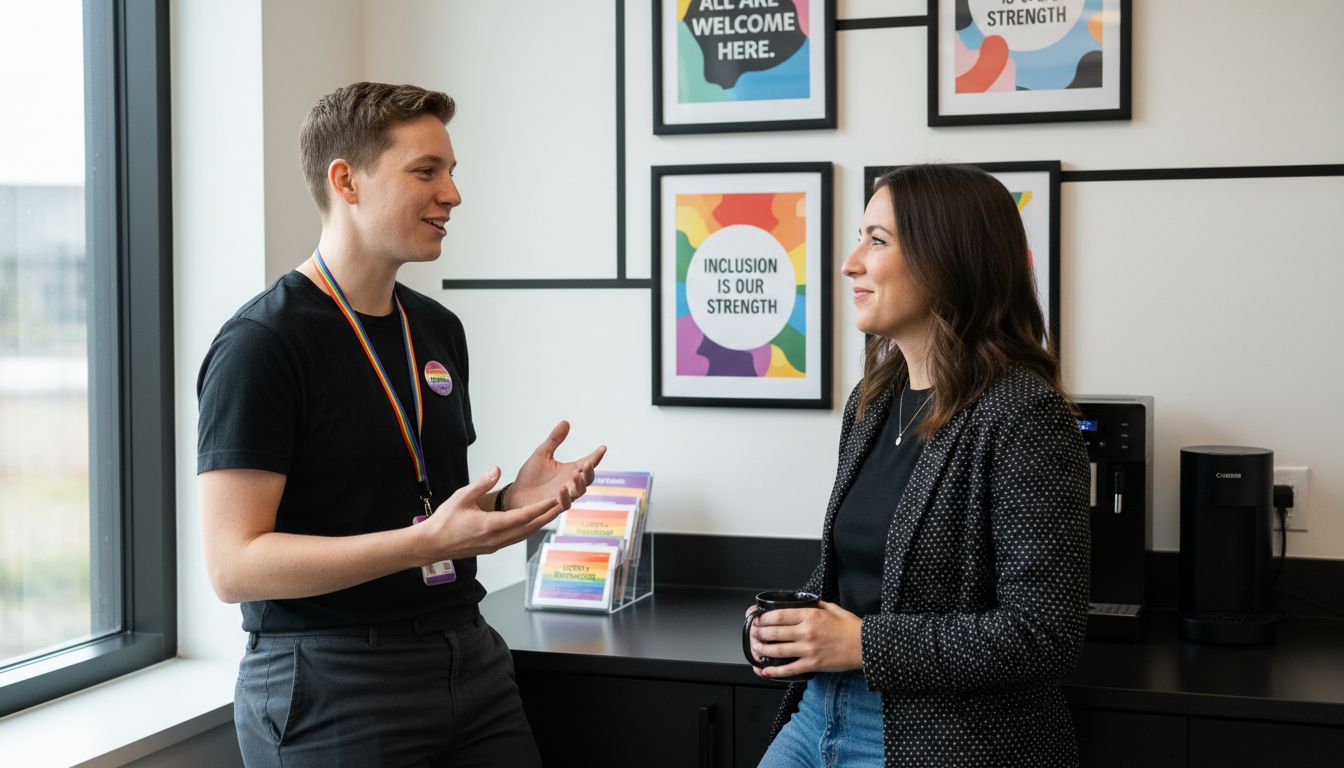
Key principles of effective LGBTQ+ allyship include:
- Active Listening: Prioritizing the lived experiences of LGBTQ+ professionals
- Continuous Learning: Staying informed about LGBTQ+ issues and evolving terminology
- Advocacy: Speaking up against discrimination and supporting inclusive policies
- Amplification: Creating platforms for LGBTQ+ voices and perspectives
- Personal Accountability: Recognizing and addressing personal biases
Successful allies understand that support isn’t a one-time gesture but an ongoing journey of growth, empathy, and commitment to workplace equality. By embracing these core principles, professionals can transform organizational cultures and create genuinely inclusive environments where every individual feels respected and empowered.
Types of Allyship and Common Misconceptions
LGBTQ+ allyship manifests through diverse approaches, each demanding unique commitments and understanding. MacEwan University Journals research underscores that effective allyship begins with critical self-examination and a genuine willingness to learn about the experiences of LGBTQ+ individuals.
Types of Allyship can be categorized across different dimensions of personal and professional engagement:
- Workplace Allyship: Advocating for inclusive policies, challenging discriminatory practices
- Personal Allyship: Supporting LGBTQ+ friends, family members, and colleagues
- Institutional Allyship: Transforming organizational cultures and systemic structures
- Active Verbal Allyship: Using inclusive language and challenging microaggressions
- Educational Allyship: Continuously learning and sharing knowledge about LGBTQ+ experiences
Common misconceptions about allyship can significantly hinder meaningful support. According to Gavilan College, many individuals mistakenly believe that being an ally is a passive state or a one-time declaration. In reality, allyship is an ongoing, dynamic process requiring consistent effort, humility, and a commitment to personal growth.
True allyship transcends performative gestures. It demands active participation, vulnerability, and a willingness to listen, learn, and amplify marginalized voices. Allies must recognize their own privileges, challenge systemic inequalities, and create spaces where LGBTQ+ professionals can thrive authentically and without fear of discrimination.
Critical Roles of Allies in the Workplace
Workplace allies play a transformative role in creating inclusive professional environments that support LGBTQ+ employees. NACE Web emphasizes that effective allyship demands compassionate, empathetic actions that go beyond passive support and actively challenge discriminatory workplace structures.
Key Workplace Ally Responsibilities include:
- Policy Advocacy: Pushing for comprehensive non-discrimination policies
- Representation: Ensuring LGBTQ+ voices are heard in decision-making processes
- Mentorship: Supporting LGBTQ+ professional development and career progression
- Cultural Transformation: Challenging heteronormative and cisgender-centric workplace norms
- Confidential Support: Creating safe spaces for dialogue and personal sharing
According to UW Milwaukee LGBTRC, allies are fundamental in actively working to end systemic oppression by consistently supporting and advocating for LGBTQ+ communities within professional settings. This means moving beyond symbolic gestures to implement meaningful, structural changes that dismantle barriers and create genuine opportunities for LGBTQ+ professionals.
Successful workplace allies recognize that their role is not about speaking for LGBTQ+ colleagues, but amplifying their existing voices, creating platforms for authentic representation, and using their privilege to challenge discriminatory practices. By committing to continuous learning, self-reflection, and proactive support, allies can help transform workplace cultures into genuinely inclusive environments where every professional can thrive regardless of sexual orientation or gender identity.
Practical Actions for Supporting LGBTQ+ Inclusion
Creating meaningful LGBTQ+ inclusion requires intentional, consistent actions that transform workplace culture. Gavilan College provides comprehensive guidance on practical steps allies can take to demonstrate genuine support, emphasizing the importance of proactive engagement beyond passive acceptance.
Immediate Actionable Strategies for LGBTQ+ inclusion include:
- Language Mindfulness: Use gender-neutral pronouns and inclusive terminology
- Active Interruption: Immediately challenge discriminatory comments or microaggressions
- Visibility Support: Participate in and promote LGBTQ+ workplace events
- Recruitment Advocacy: Encourage diverse hiring practices
- Policy Development: Push for comprehensive non-discrimination guidelines
According to UW Milwaukee LGBTRC, allies must actively work to dismantle systemic oppression by consistently speaking up against homophobic and transphobic behaviors. This means moving beyond performative gestures to create tangible, structural changes that empower LGBTQ+ professionals.
Effective allies recognize that supporting LGBTQ+ inclusion is an ongoing commitment. By connecting with inclusive job networks, continuously educating themselves, and creating safe, respectful workplace environments, professionals can contribute to meaningful cultural transformation that celebrates diversity and supports every individual’s right to professional dignity and success.
Challenges, Risks, and Avoiding Performative Allyship
Allyship is a complex journey fraught with potential pitfalls that can inadvertently harm the LGBTQ+ community. MacEwan University Journals research critically highlights that well-intentioned allyship can become problematic without genuine self-examination and a deep commitment to understanding marginalized experiences.
Red Flags of Performative Allyship include:
- Tokenism: Highlighting LGBTQ+ individuals only during Pride Month
- Speaking Over: Dominating conversations instead of amplifying LGBTQ+ voices
- Surface-Level Support: Making symbolic gestures without systemic change
- Savior Complex: Positioning oneself as a rescuer rather than a collaborative supporter
- Inconsistent Advocacy: Supporting LGBTQ+ rights selectively or conditionally
According to NACE Web, authentic allyship requires nuanced, personalized actions tailored to the specific needs of LGBTQ+ individuals. This means moving beyond generic statements and developing a deep, sustained commitment to understanding and addressing systemic barriers.
True allies embrace vulnerability, acknowledging that mistakes will happen and approaching them with humility, openness to feedback, and a genuine desire to learn.
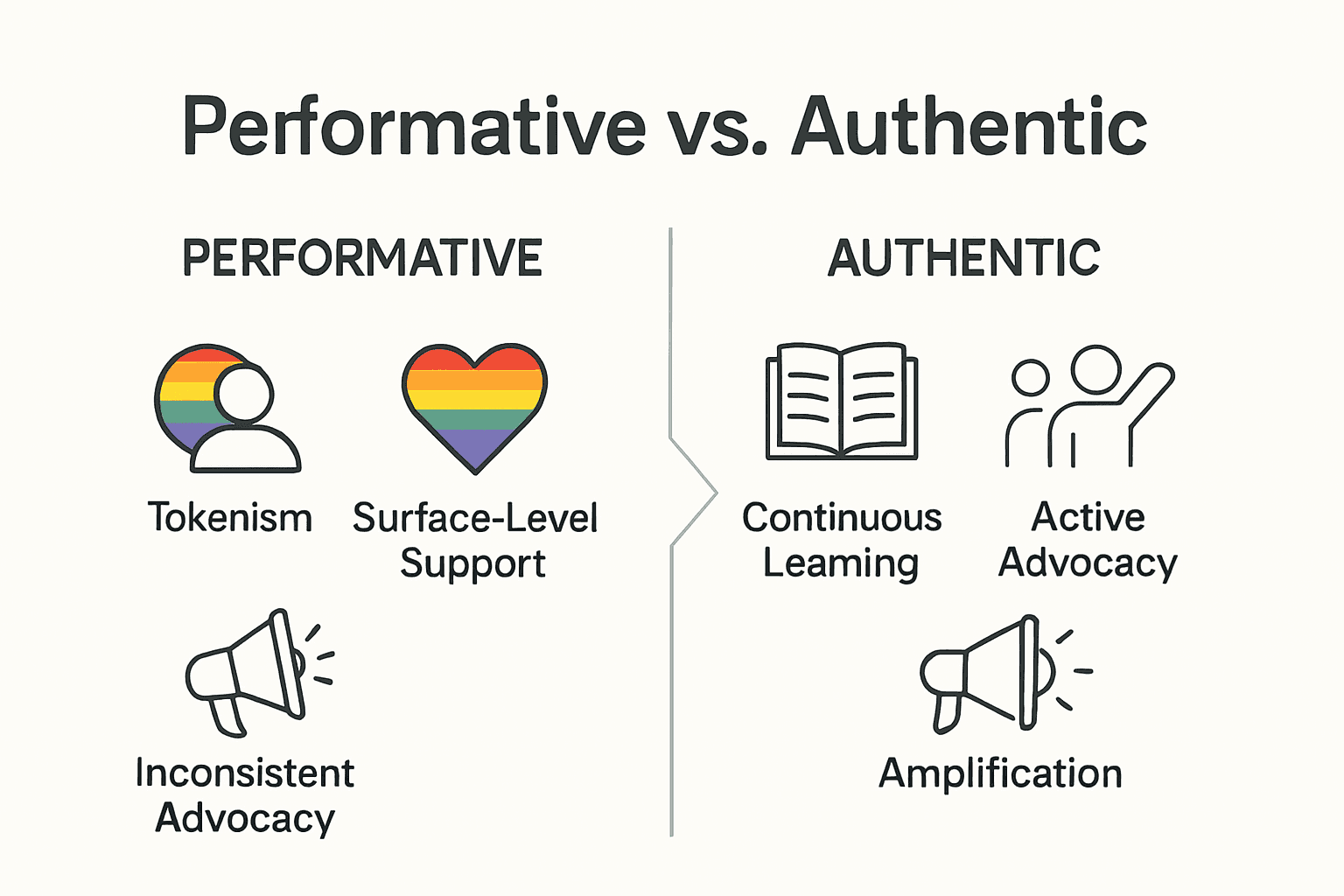 By prioritizing listening, continuous education, and meaningful structural support, professionals can transform potential risks into opportunities for genuine connection and systemic change.
Take Your Commitment to LGBTQ+ Allyship Further
Building genuine LGBTQ+ allyship in the workplace requires more than good intentions. This article highlights the importance of active listening, advocacy, and continuous learning as key steps to create truly inclusive environments. If you are ready to move beyond performative allyship and support meaningful change, connecting with a network that shares your values can accelerate your impact.
Join mygwork.com, a professional networking platform designed specifically for LGBTQ+ professionals and allies. By becoming part of this community, you gain access to inclusive job opportunities, valuable resources on workplace equality, and a strong network to support your advocacy efforts. Take action to amplify marginalized voices and drive systemic change today by visiting mygwork.com and exploring how you can be a powerful ally.
Frequently Asked Questions
What is LGBTQ+ allyship?
LGBTQ+ allyship is an active, intentional commitment to understanding, respecting, and advocating for the LGBTQ+ community within professional environments. It involves dismantling discriminatory structures and creating inclusive spaces where everyone can thrive, regardless of sexual orientation or gender identity.
What are the key principles of effective LGBTQ+ allyship?
The key principles of effective LGBTQ+ allyship include active listening, continuous learning about LGBTQ+ issues, advocacy for inclusive policies, amplification of LGBTQ+ voices, and personal accountability in recognizing and addressing biases.
How can I actively support LGBTQ+ inclusion in the workplace?
You can actively support LGBTQ+ inclusion by using gender-neutral language, immediately challenging discriminatory comments, promoting LGBTQ+ workplace events, advocating for diverse hiring practices, and participating in the development of comprehensive non-discrimination policies.
What are the challenges of being an LGBTQ+ ally?
Challenges of being an LGBTQ+ ally include the risk of performative allyship, such as tokenism, speaking over LGBTQ+ voices, and making only surface-level gestures without implementing systemic change. True allyship requires ongoing effort, self-examination, and a genuine commitment to understanding marginalized experiences.