
LGBTQ+ Employer Branding Guide for Inclusive Workplaces
November 5, 2025
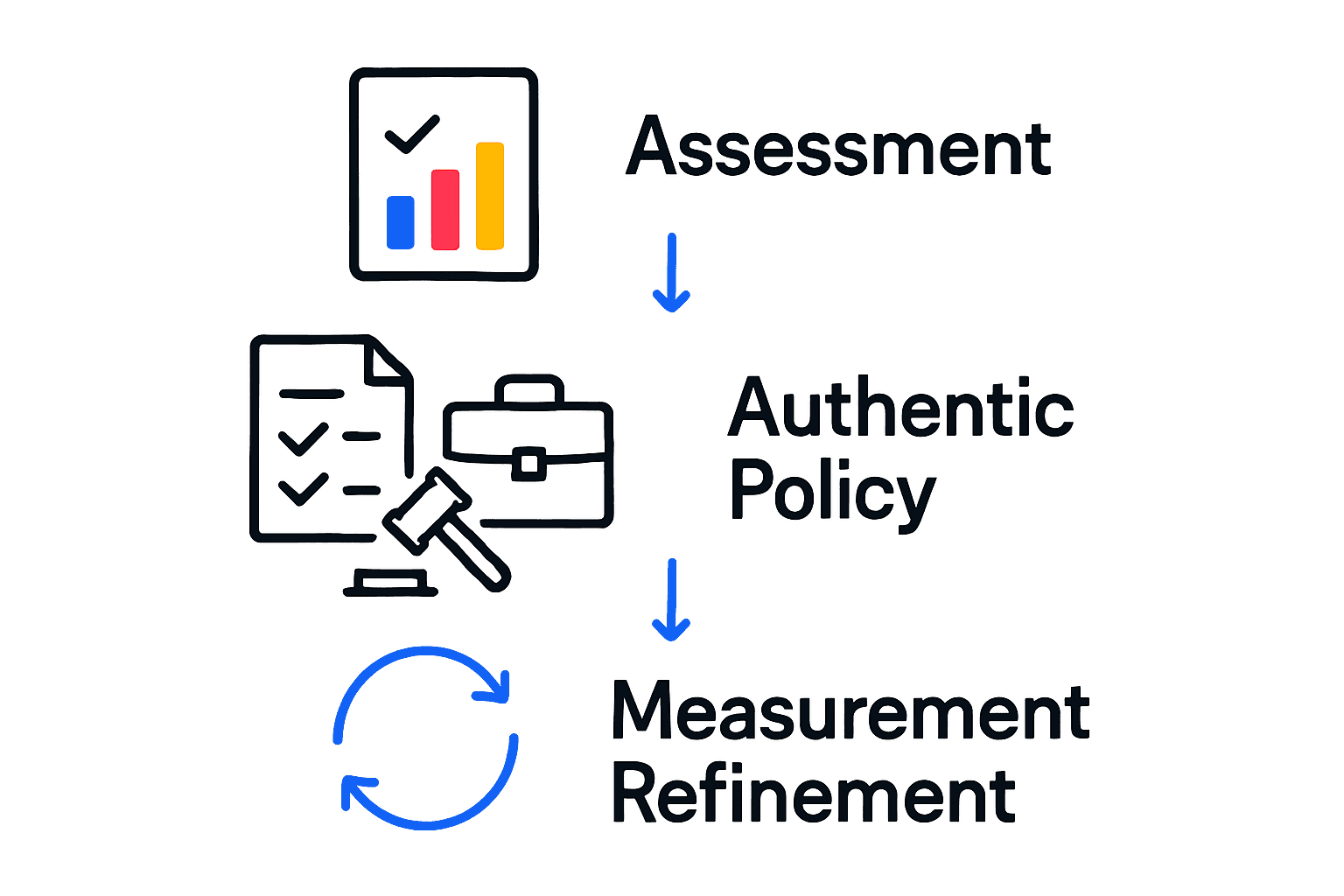
Nearly half of LGBTQ+ employees hide their identity at work, according to a recent study. This reality highlights how essential it is for organizations to move beyond symbolic gestures and create spaces where everyone feels safe and valued. Real progress starts with honest evaluation, strong policies, open communication, active engagement, and meaningful measurement to ensure that every employee can bring their true self to the workplace.
Step 1: Assess existing workplace culture for LGBTQ+ inclusion
Effectively assessing your workplace culture for LGBTQ+ inclusion requires a strategic approach that goes beyond surface level observations. According to research from Oxford University, organizations must recognize how LGBTQ+ workers continuously adjust their identity disclosure based on workplace environments, making comprehensive cultural assessment critical.
To start this assessment, conduct a thorough workplace climate review through multiple methods. Begin with anonymous employee surveys that specifically ask about experiences related to LGBTQ+ inclusion. These surveys should explore dimensions like psychological safety, perceived acceptance, and instances of microaggressions. As insights from ArXiv highlight, understanding enduring workplace disparities requires direct feedback from employees.
Key assessment strategies include reviewing existing policies, examining diversity metrics, analyzing hiring and promotion patterns for LGBTQ+ employees, and conducting focus groups that provide safe spaces for candid conversations. Look for potential barriers like unequal career advancement opportunities, language in workplace communications, and representation at leadership levels. Remember that assessment is not a one time event but an ongoing commitment to creating a truly inclusive environment where every employee can bring their authentic self to work.
A critical warning: avoid performative assessments. Your goal is genuine understanding and meaningful change, not just collecting data to check a box. Transparency about findings and clear action plans will demonstrate your organization's authentic commitment to LGBTQ+ workplace inclusion.
Step 2: Develop authentic LGBTQ+ inclusive policies
Creating meaningful LGBTQ+ inclusive policies requires a comprehensive and genuine approach that goes beyond surface level commitments. According to the Human Rights Campaign, developing authentic policies involves establishing clear non-discrimination guidelines that protect and support LGBTQ+ employees throughout their workplace experience.
Start by conducting a thorough review of existing workplace policies, identifying areas where language or practices might inadvertently exclude or marginalize LGBTQ+ employees. As research from ArXiv suggests, effective policies must be proactive and go beyond passive commitments. Key policy areas to address include anti discrimination statements, equal benefits for same sex partners, gender transition support, pronoun and name usage protocols, and protection against workplace harassment.
Consider implementing comprehensive guidelines that cover recruitment, hiring, promotion, workplace culture, and employee support. This might include creating employee resource groups, offering diversity and inclusion training, establishing mentorship programs, and ensuring leadership accountability for fostering an inclusive environment. Policies should explicitly state zero tolerance for discrimination and provide clear mechanisms for reporting and addressing potential issues.
A critical warning: authenticity is key. Avoid creating policies that look good on paper but lack meaningful implementation. Your policies should be living documents that evolve with your organization and truly reflect a commitment to creating a welcoming workplace for all employees regardless of sexual orientation or gender identity.

Step 3: Communicate inclusive employer branding effectively
Building a powerful inclusive employer brand requires strategic and authentic communication that genuinely reflects your organization's commitment to LGBTQ+ equality. As Harvard's Division of Continuing Education emphasizes, elevating LGBTQ+ employees to leadership positions serves as a powerful signal of true organizational inclusivity.
Start by developing transparent communication channels that showcase your commitment. This means creating content that highlights LGBTQ+ employee experiences, featuring diverse leadership narratives, and demonstrating tangible support through employee resource groups and mentorship programs. According to the Corporate Equality Index, businesses can effectively communicate their inclusivity by tracking and sharing measurable diversity metrics that go beyond superficial representations.
Your communication strategy should encompass multiple platforms including company websites, social media, recruitment materials, and internal communications. Showcase real employee stories, highlight inclusive policies, and demonstrate ongoing commitment through visible support of LGBTQ+ community events and initiatives. Ensure that your messaging is consistent, genuine, and reflects the actual experiences of LGBTQ+ employees within your organization.
A critical warning: authenticity is paramount. Avoid tokenistic representations or performative allyship that does not reflect actual workplace practices. Your employer branding should be a true reflection of your organization's genuine commitment to creating an inclusive environment where every employee can thrive regardless of sexual orientation or gender identity.
Step 4: Engage LGBTQ+ talent and allies actively
Engaging LGBTQ+ talent and allies requires a strategic and intentional approach that goes beyond traditional recruitment and networking methods. ArXiv research on remote workhighlights the importance of implementing supportive measures that address the unique experiences and needs of LGBTQ+ professionals across different work environments.
To effectively engage talent, create multiple avenues for connection and support. This includes establishing robust employee resource groups, mentorship programs, and professional development opportunities specifically designed for LGBTQ+ employees and allies. As insights from social network analysis of LGBTQ+ physicists demonstrate, participation in identity based groups provides critical support and networking opportunities that can significantly enhance workplace engagement and retention.
Consider developing comprehensive engagement strategies that span recruitment, professional development, leadership opportunities, and community building. This might involve hosting networking events, creating sponsorship programs, providing unconscious bias training, and actively supporting LGBTQ+ community initiatives. Ensure these efforts are genuine and sustained rather than periodic or performative gestures.
A critical warning: true engagement requires listening and adapting. Regularly solicit feedback from LGBTQ+ employees about their experiences, challenges, and suggestions for improving workplace culture. Your engagement strategies should be flexible, evolving with the changing needs and perspectives of your workforce.
Step 5: Measure impact and refine branding strategies
Measuring the effectiveness of your LGBTQ+ inclusion efforts requires a comprehensive and nuanced approach that goes beyond surface level metrics. According to research from the AI community study, organizations must systematically evaluate workplace disparities and address complex challenges like microaggressions and accessibility to truly enhance their inclusive branding.
Develop a robust measurement framework that captures both quantitative and qualitative data. This involves tracking key performance indicators such as recruitment diversity, promotion rates for LGBTQ+ employees, employee satisfaction surveys, and retention metrics. The Corporate Equality Index provides an excellent framework for assessing and benchmarking your organizations LGBTQ+ inclusivity across multiple dimensions including workplace policies, employee benefits, and organizational culture.
Implement regular feedback mechanisms that allow LGBTQ+ employees to share their authentic experiences anonymously. This might include periodic pulse surveys, focus groups, and independent third party assessments that provide unfiltered insights into your workplace environment. Use these insights to continuously refine your policies, training programs, and overall employer branding strategy.
A critical warning: measurement is not a one time event. Treat your inclusion metrics as a dynamic tool for ongoing improvement. Be transparent about your findings both internally and externally, demonstrating a genuine commitment to understanding and addressing workplace challenges for LGBTQ+ employees.
Take Your LGBTQ+ Employer Branding to the Next Level with mygwork
Building an authentic and inclusive workplace goes beyond policies and surveys. This guide highlights crucial challenges such as avoiding performative efforts and fostering genuine engagement with LGBTQ+ talent and allies. If your organization struggles with measuring real impact or wants to communicate its commitment sincerely, you need tools designed for these exact goals.
Discover how mygwork.com empowers companies and professionals to create meaningful connections that reinforce inclusive employer branding. From connecting with a vibrant community of LGBTQ+ talent to accessing resources that support authentic engagement and leadership diversity, mygwork gives you the platform to act now. Explore opportunities to showcase your commitment, learn best practices, and attract diverse professionals ready to bring their whole selves to work. Start your journey toward true workplace inclusion today on mygwork.com and see measurable change in your culture and branding.
Frequently Asked Questions
How can I assess my workplace culture for LGBTQ+ inclusion?
To assess your workplace culture for LGBTQ+ inclusion, begin with anonymous employee surveys focused on LGBTQ+ experiences. Identify areas of concern like psychological safety and acceptance to gather actionable insights within 30 days.
What policies should I implement to support LGBTQ+ employees?
Implement comprehensive non-discrimination policies that specifically protect LGBTQ+ employees, including guidelines for name and pronoun usage and anti-harassment measures. Review existing policies and update them within the next quarter to ensure they reflect genuine support.
How can I effectively communicate my organization’s commitment to LGBTQ+ inclusion?
To communicate your commitment, develop transparent channels that feature LGBTQ+ employee stories and showcase diversity metrics. Create and distribute content across various platforms within 60 days to enhance visibility and connection with your inclusivity efforts.
What strategies can help engage LGBTQ+ talent and allies in my workplace?
Engage LGBTQ+ talent and allies by establishing employee resource groups and mentorship programs that cater specifically to their needs. Promote networking events and support initiatives actively, implementing these strategies within the next six months to enhance workplace culture.
How do I measure the impact of my LGBTQ+ inclusion efforts?
Measure the impact of your LGBTQ+ inclusion initiatives by tracking metrics such as recruitment diversity and employee satisfaction. Set up regular surveys and feedback mechanisms to refine your strategies, starting this process within the next quarter for continuous improvement.