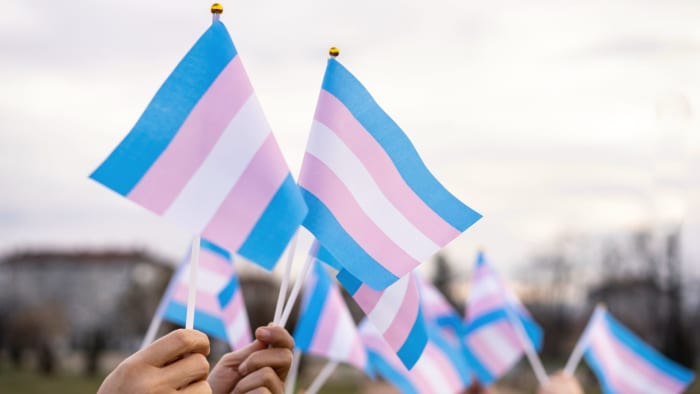
LGBTQ+ groups warn new EHRC Code erodes trans rights and inclusion
May 26, 2026Trans advocacy and LGBTQ+ organisations have sharply criticised the Equality and Human Rights Commission’s (EHRC) draft Code of Practice, arguing it weakens protections for trans people and risks rolling back equality standards across the wider LGBTQ+ community.
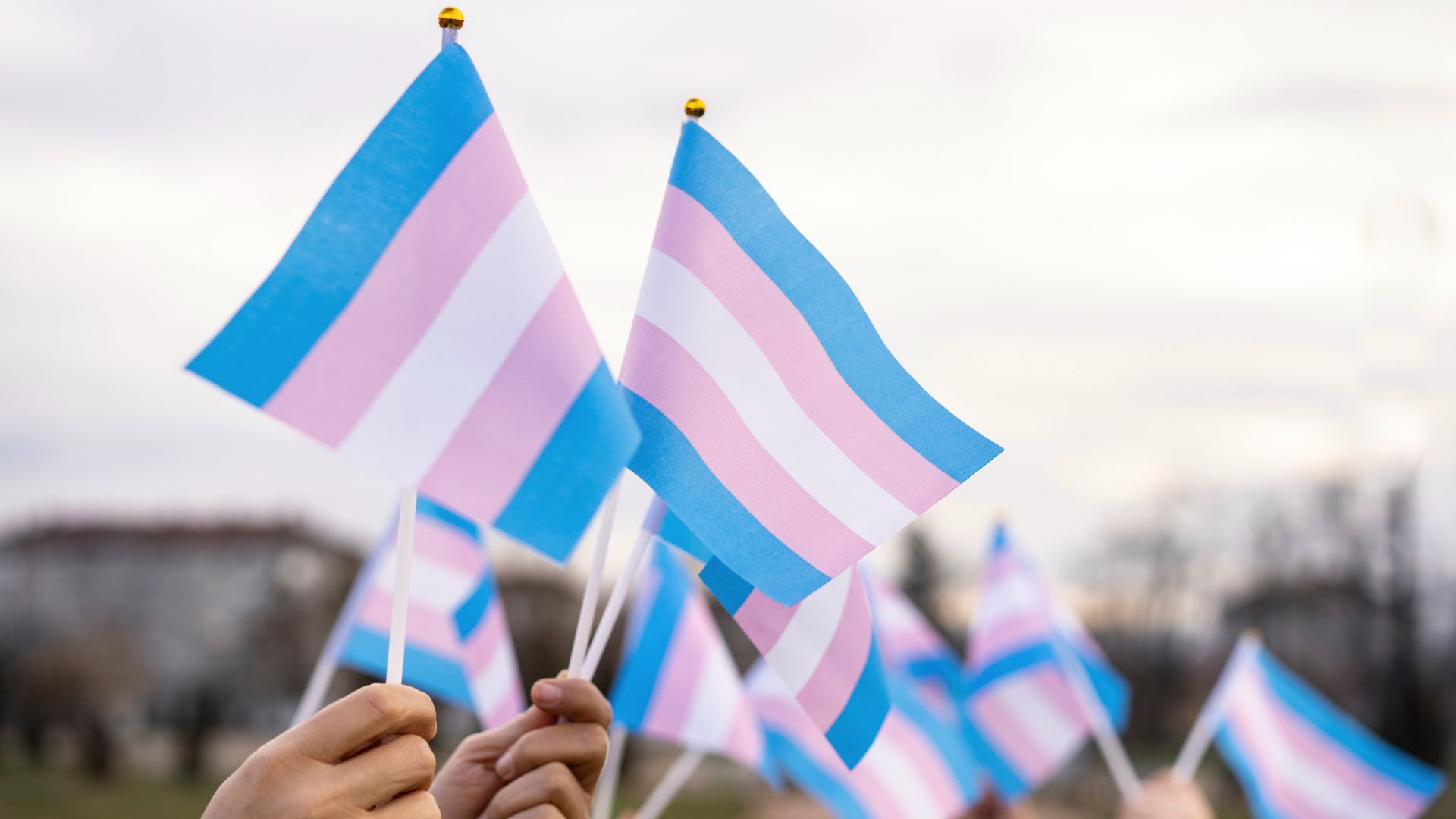
The updated guidance states that it can be lawful to exclude trans people from gender-specific spaces and, as charity Not A Phase explains, effectively treats trans people as a “third gender”. Campaigners say this approach is out of step with existing equality law and everyday realities in public services and hospitality.
In a statement, TransActual said the draft Code leaves “trans people in the UK today with less rights than they had prior to last year’s Supreme Court ruling” and “appears to have weakened protections for the LGBTQ+ community as a whole”. The group also criticised the timing of publication, suggesting the Government had delayed releasing the draft Code to limit opportunities for meaningful engagement with the community.
TransActual affirmed that it will continue to press for equal access to public life and plans to release a detailed response once it has fully examined the document.
In an explainer shared on Instagram, Not A Phase summarised key elements of the draft Code:
- Service providers that offer separate-sex spaces are encouraged to create a third or gender-neutral space specifically for trans people.
- Trans people are advised to use bathrooms and other gendered spaces that match their sex at birth, regardless of whether they hold a Gender Recognition Certificate.
- Services and venues may face accusations of discrimination if they do not provide a gender-neutral or third space that trans people can use.
Not A Phase said: “We condemn this outcome,” warning that the public debate that follows is likely to be “very intense” for trans communities. The organisation urged individuals to prioritise their wellbeing and, if needed, step back from media and social networks.
It stressed that the Code itself does not change the law and that “there is no criminal law prohibiting trans+ people from gendered spaces such as bathrooms”.
As debates over the EHRC guidance continue, LGBTQ+ organisations emphasise the need for solidarity, accurate legal information and workplace inclusion. For professionals and employers who want to support trans and wider LGBTQ+ equality in practical ways, platforms like myGwork provide networks, resources and inclusive job opportunities.