7 Effective LGBTQ+ Employee Resource Examples for Inclusion
October 1, 2026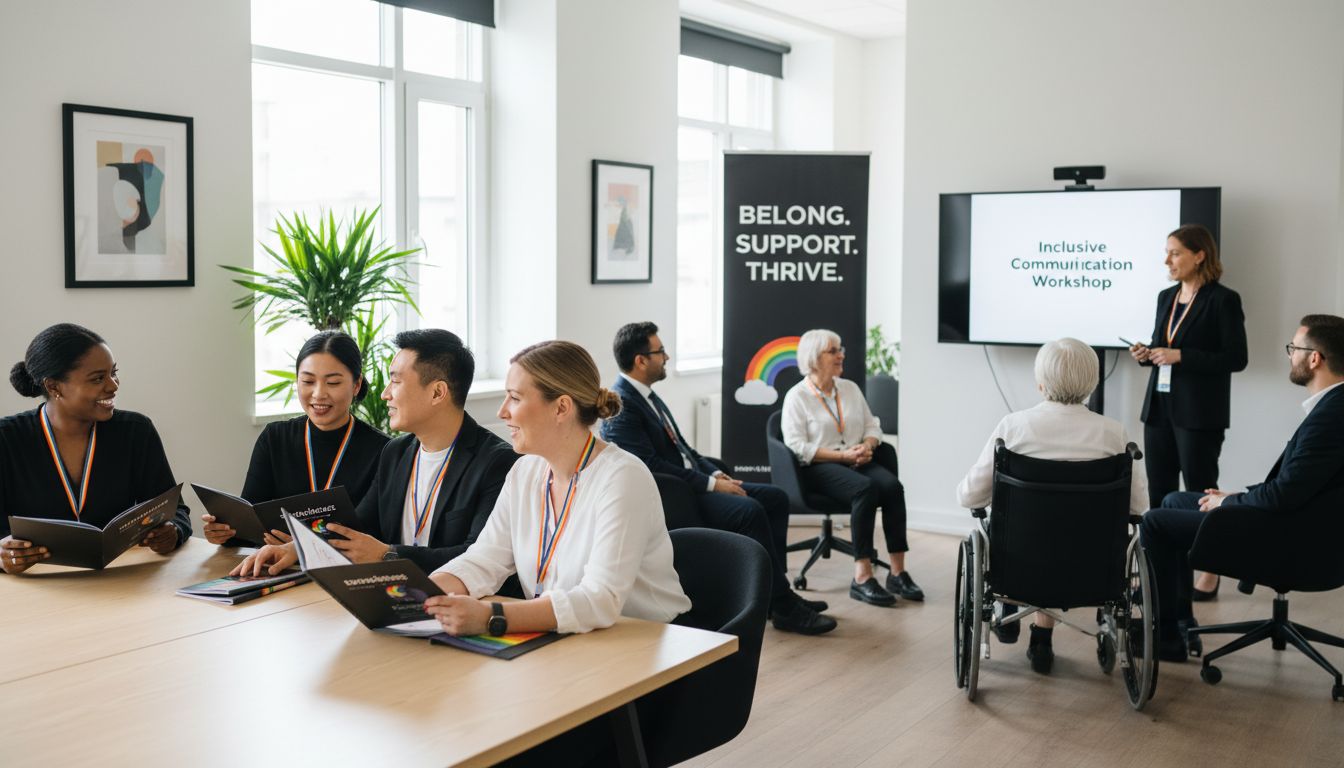
Did you know that workplaces with strong LGBTQ+ support programs report up to 21 percent higher job satisfaction? Inclusive policies and practical tools are shaping how professionals feel at work, opening the door to real connection and growth. Discover how focused strategies can create safer, more supportive spaces for LGBTQ+ employees and foster a sense of belonging for everyone involved.
Table of Contents
Quick Summary
| Takeaway | Explanation |
|---|---|
| 1. Leverage LGBTQ+ Employee Networks | Join networks to build connections, find mentorship, and advance your career. They provide critical support in various work environments. |
| 2. Participate in Diversity and Inclusion Workshops | Engage in workshops to challenge biases, develop empathy, and create a more inclusive workplace culture. These experiences foster understanding and communication. |
| 3. Get Involved in Mentoring Programs | Seek out mentoring for professional growth. These programs offer valuable guidance, support, and insider insights tailored to LGBTQ+ experiences. |
| 4. Advocate for Inclusive Benefits | Support and promote benefits that address the specific needs of LGBTQ+ employees, such as gender-affirming healthcare and equitable leave policies. |
| 5. Use Anonymous Feedback Channels | Utilize channels to safely express workplace concerns without fear of retaliation. They contribute to meaningful organizational change and transparency. |
1. LGBTQ+ Employee Networks for Community Building
LGBTQ+ employee networks represent powerful platforms for professional connection, support, and empowerment within workplace environments. These strategic communities go far beyond simple social gatherings.
These networks create safe spaces where LGBTQ+ professionals can build meaningful relationships, share experiences, and develop critical career support mechanisms. According to Pride in Our Workplace, these networks provide opportunities to connect, learn, and lead through targeted networking events and professional development initiatives.
Why Employee Networks Matter:
Reduce professional isolation
Create mentorship opportunities
Support career advancement
Promote workplace inclusivity
Successful LGBTQ+ employee networks function as robust professional ecosystems. The Proud Professionals Network demonstrates how these groups can offer comprehensive support across multiple industries. Members gain access to professional development resources, community engagement platforms, and critical networking opportunities.
To establish an effective LGBTQ+ employee network, organizations should focus on creating structured yet flexible environments. This means developing clear objectives while remaining adaptable to member needs. Key strategies include regular meetups, skill-sharing workshops, leadership development programs, and creating channels for meaningful dialogue about workplace inclusion.
Professionals can maximize these networks by actively participating, sharing their experiences, and supporting fellow community members. Whether you are a direct member of the LGBTQ+ community or a supportive ally, these networks offer transformative opportunities for personal and professional growth.
2. Diversity and Inclusion Workshops for Awareness
Diversity and inclusion workshops represent strategic educational interventions designed to transform workplace cultures and challenge unconscious biases. These targeted learning experiences help organizations build more respectful, understanding, and supportive professional environments.
According to QLatinx, effective workshops explore critical topics like understanding sexuality and gender diversity. The goal extends beyond simple awareness training to creating meaningful cultural shifts within organizations.
Key Workshop Objectives:
Challenge existing stereotypes
Develop empathy and understanding
Promote inclusive communication
Create safer workplace environments
Successful diversity workshops do more than lecture participants. They create interactive spaces where professionals can engage authentically with complex topics. The Diversity Trust highlights the importance of exploring LGBTQ+ history, appropriate language, and experiences of discrimination as core workshop components.
To maximize workshop effectiveness, organizations should design experiences that balance education with personal reflection. This means creating environments where participants feel psychologically safe to ask questions, make mistakes, and genuinely learn. Effective workshops incorporate storytelling, real world scenarios, and opportunities for meaningful dialogue.
Professionals can contribute to workshop success by approaching these learning experiences with genuine curiosity, openness, and a commitment to personal growth. Remember that diversity and inclusion are ongoing journeys requiring continuous learning and genuine empathy.
3. Mentoring Programs for LGBTQ+ Career Growth
Mentoring programs serve as powerful catalysts for professional development within the LGBTQ+ community. These strategic relationships provide guidance, support, and critical networking opportunities for emerging professionals seeking meaningful career advancement.
Lesbians Who Tech & Allies exemplifies innovative mentorship approaches through their groundbreaking ‘Bring a Lesbian to Work Day’ program. This initiative matches participants with experienced professionals to foster leadership and skill development in the tech industry.
Benefits of LGBTQ+ Mentoring Programs:
Accelerate professional skill development
Provide insider industry insights
Build confidence and professional networks
Create supportive career pathways
The Proud Professionals Network demonstrates how mentoring can create transformative opportunities for LGBTQ+ youth. By connecting emerging talents with established leaders, these programs help bridge critical professional knowledge gaps and create supportive ecosystems.
Successful mentoring relationships require mutual commitment and clear expectations. Mentees should approach these connections with genuine curiosity and openness to learning. Mentors benefit equally by gaining fresh perspectives and contributing to community growth.
Professionals can maximize mentoring opportunities by being proactive. Prepare thoughtful questions, demonstrate genuine enthusiasm, and remain open to constructive feedback. Remember that effective mentorship is a collaborative journey of mutual growth and understanding.
4. Inclusive Benefits and Healthcare Resources
Inclusive benefits and healthcare resources represent critical components of creating truly supportive workplace environments for LGBTQ+ professionals. These comprehensive approaches go beyond traditional healthcare offerings to address the unique needs of diverse communities.
Organizations can implement transformative policies that genuinely support LGBTQ+ employee well being. That starts with developing benefits packages that recognize the full spectrum of employee experiences and identities.
Key Elements of Inclusive Benefits:
Gender affirming healthcare coverage
Mental health support for LGBTQ+ individuals
Comprehensive family planning resources
Equitable parental leave policies
Partner and domestic partnership benefits
When designing inclusive benefits, organizations must move beyond surface level representation. Keshet illustrates how advocacy can drive meaningful policy changes that create genuine workplace equity. This means developing resources that acknowledge the diverse experiences of LGBTQ+ professionals across different cultural and personal contexts.
Healthcare resources should be designed with intersectionality in mind. This means understanding that LGBTQ+ professionals have unique health considerations that require nuanced, compassionate approaches. Employers can support this by offering flexible healthcare options, comprehensive mental health resources, and benefits that recognize diverse family structures.
Professionals can advocate for inclusive benefits by engaging openly with human resources departments, sharing personal experiences, and supporting organizational initiatives that promote genuine workplace equity. Remember that inclusive benefits are not just policies they are powerful statements of organizational values and commitment to employee well being.
5. Ally Training Sessions for Workplace Support
Ally training sessions represent transformative learning experiences that empower professionals to become active supporters of LGBTQ+ inclusivity. These strategic workshops go beyond passive understanding to cultivate meaningful workplace advocacy.
The Diversity Movement demonstrates how targeted workshops can provide professionals with essential tools and confidence to promote workplace equity. These sessions help participants move from good intentions to active, informed support.
Core Objectives of Ally Training:
Develop genuine understanding of LGBTQ+ experiences
Learn appropriate and respectful communication
Recognize and challenge unconscious biases
Create supportive workplace environments
Build skills for meaningful allyship
ALK Consulting highlights the importance of deepening community understanding through comprehensive training approaches. Effective ally programs focus on creating empathetic connections rather than simply delivering theoretical knowledge.
Successful ally training requires vulnerability and genuine commitment. Participants must be willing to listen, learn, and sometimes confront uncomfortable truths about systemic inequalities. This means creating safe spaces where professionals can ask questions, make mistakes, and grow without judgment.
Professionals can maximize ally training by approaching these sessions with humility and openness. Ask thoughtful questions, listen actively to LGBTQ+ experiences, and be prepared to transform personal understanding into meaningful workplace actions. Remember that true allyship is an ongoing journey of learning, supporting, and advocating for marginalized communities.
6. Anonymous Feedback Channels for Safety
Anonymous feedback channels represent critical mechanisms for creating psychologically safe workplaces where LGBTQ+ professionals can share experiences without fear of professional repercussions. These confidential communication systems provide essential pathways for addressing workplace challenges and promoting genuine organizational transparency.
The Diversity Center emphasizes the importance of creating structured environments where employees can voice concerns safely. Anonymous feedback channels transform workplace dynamics by empowering individuals to communicate candidly about potentially sensitive issues.
Key Benefits of Anonymous Feedback:
Reduce fear of professional retaliation
Identify systemic workplace challenges
Protect employee psychological safety
Enable honest organizational assessment
Support marginalized community members
Mission Diverse underscores how anonymous feedback mechanisms are fundamental to building truly inclusive workplace cultures. These channels go beyond simple reporting systems they represent organizational commitments to understanding and addressing complex workplace experiences.
Effective anonymous feedback systems require thoughtful design. Organizations must create multiple reporting channels digital platforms, confidential email systems, and third party reporting mechanisms that guarantee complete anonymity and professional protection.
Professionals can maximize these resources by providing detailed constructive feedback. Focus on specific workplace experiences, systemic challenges, and potential improvement strategies. Remember that anonymous feedback is a powerful tool for organizational growth when approached with genuine intention and respect.
7. Resource Libraries with LGBTQ+ Career Guides
Resource libraries dedicated to LGBTQ+ career development represent powerful knowledge hubs designed to support professional growth and navigate complex workplace environments. These comprehensive platforms provide targeted guidance for LGBTQ+ professionals seeking meaningful career advancement.
myGwork exemplifies how specialized platforms can create transformative professional ecosystems. By offering job listings, mentorship connections, professional events, and relevant news, these resource libraries become critical support systems for LGBTQ+ career development.
Key Features of Effective Resource Libraries:
Comprehensive career development materials
Industry specific guidance
Networking opportunity directories
Professional skill building resources
Intersectional career support materials
Pride at Work demonstrates the critical importance of providing nuanced resources that address unique workplace challenges faced by LGBTQ+ professionals. These libraries go beyond generic career advice by offering targeted insights that recognize the specific experiences of LGBTQ+ workers.
Successful resource libraries understand that career development is not one size fits all. They provide materials that address multiple professional stages from early career exploration to advanced leadership development. This means creating content that speaks directly to the lived experiences of LGBTQ+ professionals across different industries and career paths.
Professionals can maximize these resources by approaching them with curiosity and intentionality. Explore comprehensive guides, participate in recommended networking opportunities, and use the materials as springboards for personal and professional growth. Remember that knowledge is power and these libraries are designed to help you chart your unique career journey.
Below is a comprehensive table summarizing the strategies and programs for fostering LGBTQ+ inclusivity and support in workplace environments as discussed in the article.
| Initiative | Description | Benefits |
|---|---|---|
| LGBTQ+ Employee Networks | Safe spaces for connection, sharing experiences, and professional development. | Reduce isolation, career advancement, inclusive workplace. |
| Diversity & Inclusion Workshops | Workshops to challenge biases and promote inclusive communication. | Empathy development, cultural shifts, and safer workplace environments. |
| Mentoring Programs | Strategic relationships for guidance and networking opportunities. | Skill development, industry insights, confidence building. |
| Inclusive Benefits | Comprehensive healthcare and benefits tailored for LGBTQ+ professionals. | Address diverse needs, gender-affirming coverage, equitable policies. |
| Ally Training Sessions | Workshops to empower professionals as active supporters of inclusivity. | Meaningful advocacy, respectful communication, and bias challenge. |
| Anonymous Feedback Channels | Confidential systems for employees to share experiences safely. | Protects safety, addresses challenges, and fosters transparency. |
| Resource Libraries | Targeted guidance and support for career advancement. | Comprehensive development materials and intersectional support. |
Empower Your LGBTQ+ Workplace Journey with myGwork
Creating inclusive LGBTQ+ employee resource groups is essential to building safe, supportive, and empowering professional communities. The challenges highlighted in “7 Effective LGBTQ+ Employee Resource Examples for Inclusion”—such as fostering meaningful connections, providing mentorship, and ensuring access to tailored career resources—point to a critical need for reliable platforms designed to champion these goals. When workplaces lack dedicated spaces for networking, advocacy, and personal growth, many LGBTQ+ professionals feel isolated or underrepresented.
That is where myGwork steps in. Our platform serves as a dedicated professional network that connects LGBTQ+ individuals and allies, allowing you to build your network, discover specialized career opportunities, and access valuable resources created with inclusion at the forefront. Whether you are looking to take part in mentoring programs, join diversity and inclusion discussions, or promote allyship training, myGwork offers a trusted space to advance your career while engaging with a community committed to authentic support and growth.
Take the next step to transform your professional experience and workplace culture today.
Start building your network with myGwork and join a community where diversity is not just recognized but celebrated.
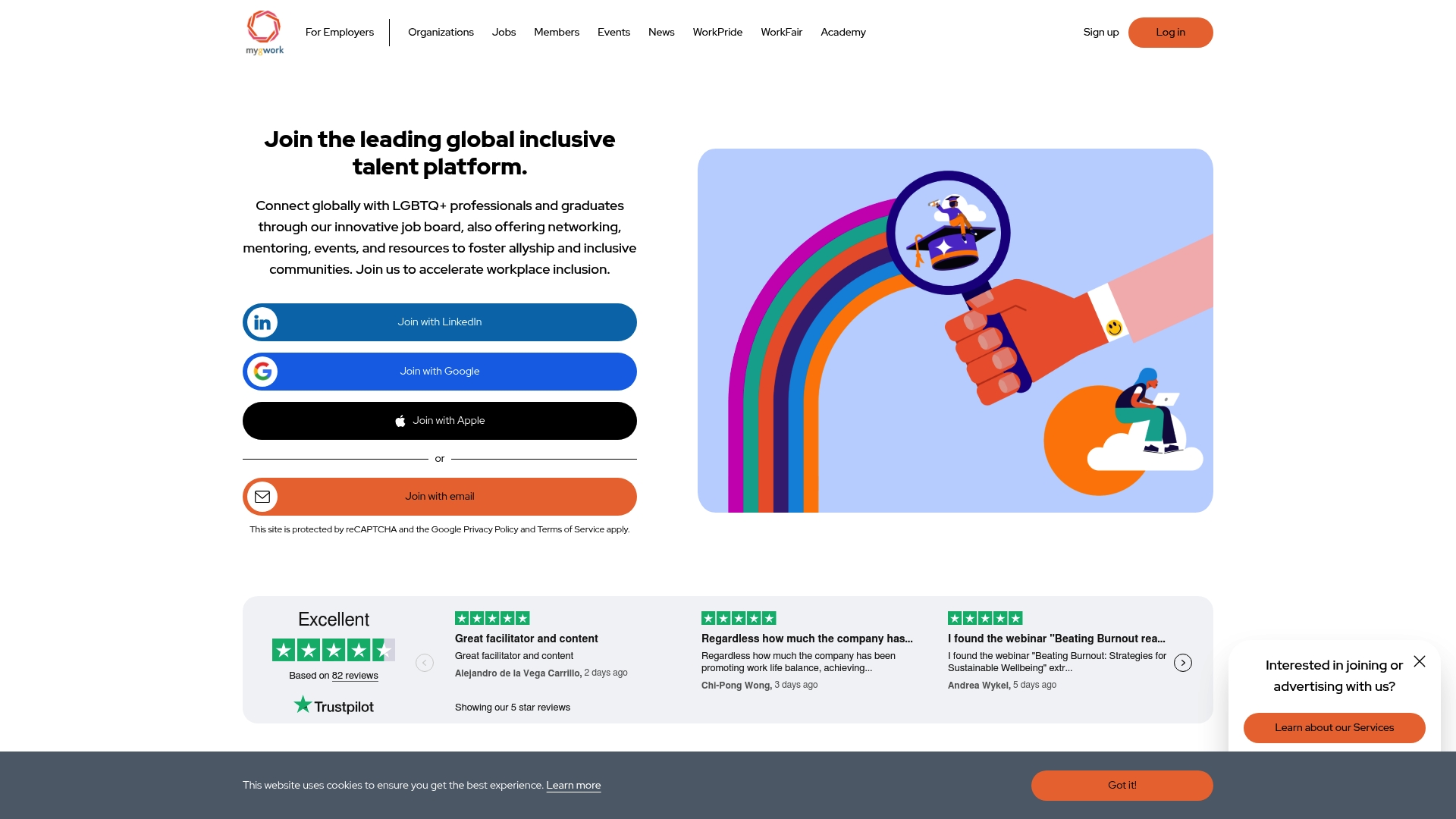
Explore job listings, connect with LGBTQ+ professionals, and access career resources designed specifically for you. The time to empower your journey and catalyze workplace inclusion is now. Visit myGwork and be part of the change.
Frequently Asked Questions
What are some key benefits of LGBTQ+ employee networks?
LGBTQ+ employee networks provide professional connections, mentorship opportunities, and support for career advancement. To maximize these benefits, encourage participation in networking events and skill-sharing workshops within the first few months of joining.
How can organizations implement effective diversity and inclusion workshops?
Organizations can develop workshops that focus on understanding LGBTQ+ experiences and promoting inclusive communication. Start by designing interactive sessions that incorporate personal reflection and storytelling, aiming to implement at least one workshop quarterly.
What should I look for in an effective LGBTQ+ mentoring program?
An effective LGBTQ+ mentoring program should offer guidance, insider industry insights, and networking opportunities. Evaluate existing programs based on their structure and support options, and consider initiating one within 60 days to meet the specific needs of your community.
How can I advocate for inclusive benefits at my workplace?
To advocate for inclusive benefits, engage openly with your HR department and share the unique needs of LGBTQ+ employees. Prepare a list of specific requests, such as gender-affirming healthcare or equitable parental leave policies, aiming for a formal proposal within 90 days.
What are the best practices for conducting ally training sessions?
Best practices for ally training include fostering genuine understanding of LGBTQ+ experiences and allowing space for questions. Create a training plan that addresses unconscious biases and promotes empathy, with the goal of conducting sessions every six months for continual improvement.
How can anonymous feedback channels contribute to workplace safety for LGBTQ+ employees?
Anonymous feedback channels allow LGBTQ+ employees to voice concerns without fear of retaliation, enhancing workplace safety. Design a clear feedback mechanism and implement it within 30 days to empower employees to share their experiences confidentially.