
LGBTQ+ support program workflow boosts retention 35%
March 4, 2026Too many LGBTQ+ professionals experience invisible barriers at work. Career stagnation becomes the norm when organizations lack structured support programs addressing their specific needs. This guide walks you through a proven workflow to design, implement, and sustain LGBTQ+ support programs that deliver measurable results like 35% better retention and stronger workplace inclusivity. You’ll learn the prerequisites, core steps, common pitfalls, and flexible approaches that fit your organization’s reality.

Key takeaways
Prerequisites and getting started
Before you launch a support program, assess your organization’s readiness. Without proper groundwork, even well-intentioned initiatives lose momentum fast. Start by securing executive sponsorship. Leadership buy-in ensures budget allocation, staff time, and visible commitment. LGBTQ+ talent and hiring networks emphasize that visible executive support signals authenticity to employees and candidates alike.
Next, conduct a baseline inclusivity assessment. Survey current employees anonymously to understand existing barriers, gaps in policy, and culture pain points. This data shapes your program goals and helps you measure progress later. Define clear, measurable objectives aligned with your broader diversity strategy. For example, aim to increase LGBTQ+ employee retention by 20% within the first year or boost engagement scores by 25 points.
Finally, train your initial staff team on LGBTQ+ basics and confidentiality standards. This includes HR leads, program coordinators, and any volunteers. They need to understand terminology, pronoun usage, and the critical importance of privacy. Without trained facilitators, participants won’t feel safe engaging authentically.
Key readiness factors include:
- Dedicated budget for program activities, training materials, and external consultants if needed
- At least one full-time equivalent staff person coordinating the program
- Anonymous survey tools to measure baseline and ongoing feedback
- Clear communication plan to announce the program and invite participation
- Confidential reporting channels for concerns or incidents
Core steps of the LGBTQ+ support program workflow
Once prerequisites are met, follow these sequential steps to build a resilient, inclusive program. Each phase builds on the previous one, creating a sustainable support ecosystem.
- Design inclusive policies addressing diverse LGBTQ+ identities. Start with non-discrimination policies that explicitly include sexual orientation, gender identity, and gender expression. Extend beyond binary frameworks to recognize non-binary, genderqueer, and intersex employees. Policies should cover restroom access, dress codes, chosen name usage in systems, and inclusive benefits like partner coverage. Consult with inclusive training resources to ensure policies reflect current best practices and legal requirements.
- Plan recurring quarterly education and awareness sessions. Schedule workshops on topics like pronoun usage, LGBTQ+ history, allyship, and intersectionality. Rotate facilitators to include external experts and internal LGBTQ+ voices. Make attendance optional but incentivized. Track participation rates to gauge interest and adjust content accordingly.
- Establish mentorship and peer support systems tailored for LGBTQ+ needs. Pair junior LGBTQ+ employees with senior mentors who understand their unique career challenges. Create opt-in affinity groups where employees can connect informally. Provide stipends for group activities like networking dinners or conference attendance. These spaces foster belonging and reduce isolation.
- Implement anonymous feedback channels for program improvement. Launch quarterly pulse surveys asking specific questions about program effectiveness, safety perceptions, and desired changes. Use tools that guarantee anonymity to encourage honest input. Review feedback with your coordinating team and adjust initiatives based on patterns.
Pro Tip: Embed program updates into existing company meetings rather than creating separate events. This normalizes LGBTQ+ inclusion as part of core business operations, not a siloed initiative.
Common mistakes and troubleshooting
Even well-designed programs stumble. Knowing where others fail helps you avoid the same traps. One major pitfall is ignoring intersectionality. LGBTQ+ employees also have racial, ethnic, disability, and socioeconomic identities. Programs that treat LGBTQ+ as a monolith miss crucial nuances. Consult regularly with diverse subgroups. Host listening sessions specifically for LGBTQ+ employees of color, transgender employees, or those with disabilities. Tailor policies and resources to their compounded experiences.
Another common mistake is launching with fanfare but failing to maintain momentum. Continuous evaluation prevents stagnation. Schedule quarterly program reviews where you assess participation rates, feedback themes, and outcome metrics. Adjust training content, mentor matching criteria, or policy language based on what you learn. Stagnant programs signal to employees that leadership lost interest.
Confidentiality breaches destroy trust instantly. Ensure strict data protocols. Limit access to participant lists and survey responses. Train all staff on sensitivity and the consequences of violating privacy. LGBTQ+ program best practices highlight that transparent communication about how data is used and protected builds confidence.
Key troubleshooting tips:
- If participation is low, revisit your communication strategy and emphasize psychological safety
- If feedback reveals discomfort with facilitators, invest in external trainers with specialized expertise
- If policies feel performative, tie them to tangible benefits like healthcare coverage and system updates
Pro Tip: Create a confidential ombudsperson role where employees can voice concerns without fear of retaliation or exposure.
“Programs succeed when they evolve with employee needs. Static initiatives become checkbox exercises that erode trust rather than build it.”
Implementation timeline and success metrics
Realistic timelines prevent burnout and set achievable milestones. Most organizations see measurable improvements within 6 to 9 months of launching a structured support program. The first quarter focuses on setup: finalizing policies, training staff, and announcing the program. The second quarter emphasizes engagement: hosting initial workshops, launching mentorship pairings, and collecting first-round feedback. By the third quarter, you should see early retention and engagement signals.
Track specific metrics tied to your goals. LGBTQ+ inclusivity benchmarks recommend monitoring retention rate and promotion rate for LGBTQ+ employees separately from overall workforce data. Compare these rates before and after program launch. A successful program typically achieves 35% improvement in LGBTQ+ retention and 30% increase in promotions within the first year.
Measure engagement growth via anonymous participant feedback. Ask how many employees attended workshops, joined affinity groups, or used mentorship resources. Track sentiment scores on safety and belonging. Use data-driven benchmarks to guide program adaptations. If workshop attendance drops, survey participants about timing, content relevance, or facilitator effectiveness.
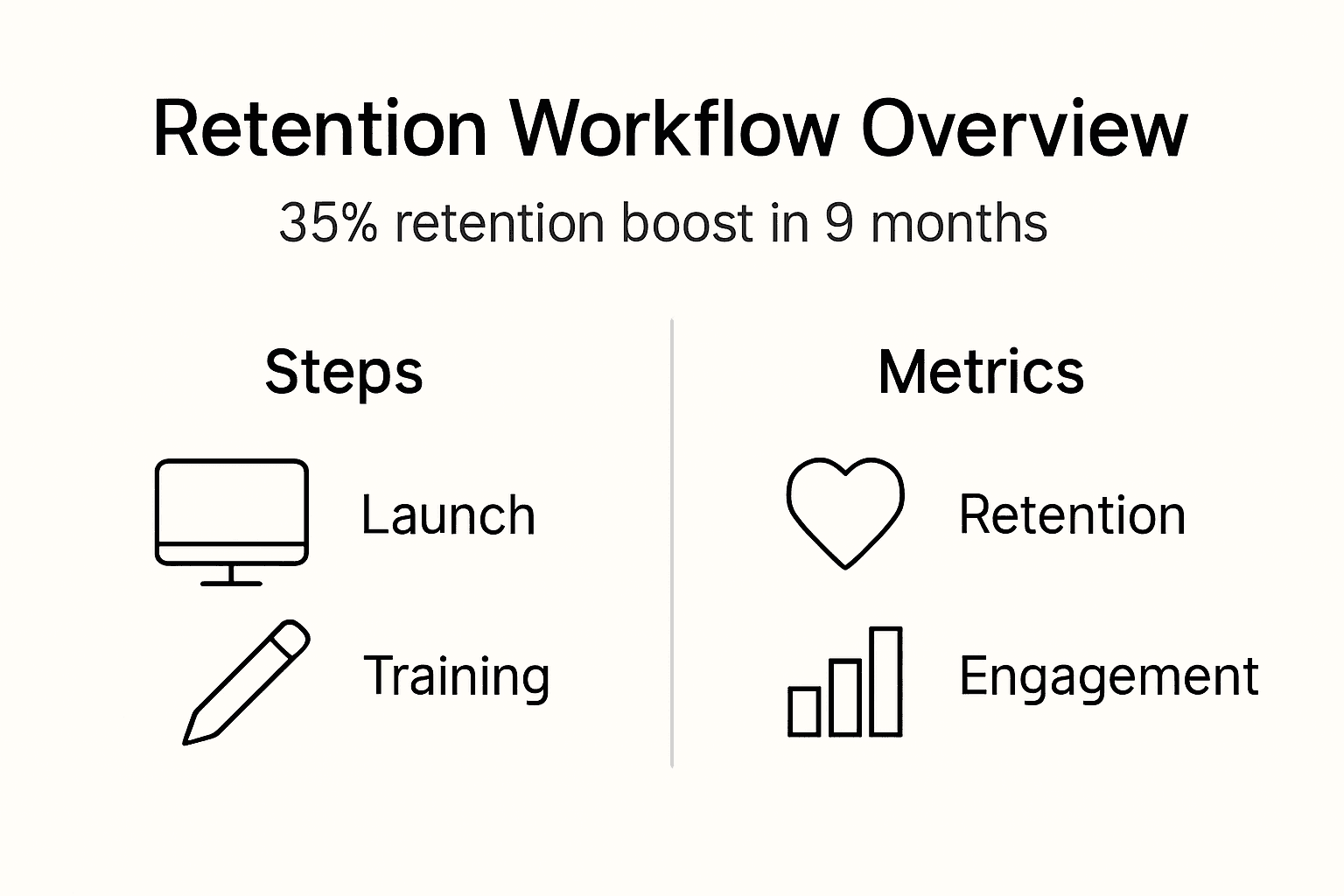
Additional metrics to monitor:
- Number of policy violations reported and resolved
- Percentage of managers completing allyship training
- Growth in affinity group membership quarter over quarter
- External recognition like Human Rights Campaign Corporate Equality Index scores
Safety and confidentiality considerations
Privacy is non-negotiable. LGBTQ+ employees often face real risks if their identities are disclosed without consent. Implement clear data confidentiality and privacy safeguards from day one. Store participant information in encrypted systems with role-based access. Never share names, pronouns, or identities outside the coordinating team without explicit written permission.
Provide comprehensive staff training on confidentiality and sensitivity. Role-play scenarios where employees disclose sensitive information. Teach staff how to respond supportively without outing individuals or making assumptions. Privacy protocols for LGBTQ+ programs stress that even well-meaning breaches can cause irreparable harm.
Communicate transparently about how information is used and protected. At program launch, publish a clear privacy policy detailing what data you collect, who has access, and how long it’s retained. Explain the limits of confidentiality, such as mandatory reporting requirements for harassment or safety threats. This transparency builds trust and increases safe participation.
Key safety practices:
- Use opt-in rather than opt-out participation to respect autonomy
- Allow employees to choose their level of visibility in affinity groups or events
- Provide multiple reporting channels including anonymous hotlines
- Conduct regular audits of data access logs to detect unauthorized use
“Trust is earned through consistent, visible protection of privacy. One slip can undo months of relationship building with your LGBTQ+ employees.”
Alternative approaches and tradeoffs
No single model fits every organization. Understanding the pros and cons of different approaches helps you choose what works for your size, culture, and resources. Peer-led groups offer the fastest path to cultural adoption. Employees volunteer to organize events, moderate discussions, and advocate for policy changes. These grassroots efforts require low administrative overhead and feel authentic. However, consistency varies based on volunteer availability and expertise. Burnout is common without formal support.
Formal policy-driven programs demand high resource investment but deliver strong alignment with strategic goals. HR or DEI teams design structured initiatives, allocate budgets, and ensure compliance. These programs integrate seamlessly with performance reviews, succession planning, and benefits. The tradeoff is slower culture shift if employees perceive the program as top-down or bureaucratic. LGBTQ+ support program models note that formal programs work best in larger organizations with dedicated DEI staff.
Hybrid models balance engagement and governance. Start with peer-led affinity groups to build momentum, then layer in formal policies and funded initiatives as participation grows. This approach uses moderate resources, adapts to feedback quickly, and scales with organizational readiness. It’s ideal for mid-sized companies transitioning from informal efforts to strategic programs.
Choose based on:
- Organizational size and budget constraints
- Existing DEI infrastructure and staff expertise
- Employee appetite for grassroots versus structured initiatives
- Leadership readiness to commit resources and champion change
Explore more with myGwork’s LGBTQ+ professional network
Building an effective support program is just the beginning. myGwork connects you with a thriving community of LGBTQ+ professionals, inclusive jobs and employers, and resources designed to accelerate your career. Whether you’re looking for mentorship, networking opportunities, or your next role at an affirming organization, the platform offers personalized support.
Explore tailored workflows like the remote job search workflow for LGBTQ+ professionals to navigate flexible career options. Employers can learn how to attract diverse LGBTQ+ talent and strengthen their inclusion strategies. Stay informed with expert news, guides, and events that keep you ahead in fostering authentic workplace inclusivity.
Frequently asked questions
How long does it take to see results from an LGBTQ+ support program?
Typically 6 to 9 months for measurable retention and promotion improvements. Early signals like increased engagement and participation appear within the first quarter. Long-term culture shift requires sustained effort over multiple years.
What makes LGBTQ+ support programs different from general diversity programs?
They focus specifically on tailored policies, mentorship, and safe spaces addressing LGBTQ+ identities. General diversity programs often lack the nuanced understanding of coming out processes, pronoun usage, and intersectional challenges faced by LGBTQ+ employees.
How is confidentiality ensured in these programs?
Through strict data protocols, staff training on sensitivity, and transparent communication about information use. Role-based access controls, encrypted storage, and anonymous feedback tools protect participant identities and build trust.
Can small companies implement effective LGBTQ+ support programs?
Yes, starting with peer-led groups and building toward formal policies works well. Small companies can achieve significant impact through grassroots affinity groups, flexible policies, and partnerships with external LGBTQ+ organizations for training and resources.
What if my organization lacks executive sponsorship?
Focus on grassroots support first and demonstrate early wins to gain leadership buy-in. Document participation rates, employee testimonials, and any measurable improvements in engagement or retention. Use this data to make the business case for formal investment.
How do you measure intersectionality in program outcomes?
Disaggregate data by race, gender identity, disability, and other dimensions when analyzing retention, promotion, and engagement metrics. Conduct targeted listening sessions with intersectional subgroups and adjust programs based on their specific feedback and needs.