
LGBTQ+ veterans contest compensation inequity
February 20, 2026Two former service members, who assert they were unjustly forced from the armed forces due to their sexuality, are initiating legal proceedings against the Ministry of Defence (MoD) after being denied access to a comprehensive financial reparations scheme. Their legal challenge centers on the claim that the scheme's criteria unfairly exclude them based on their rank.
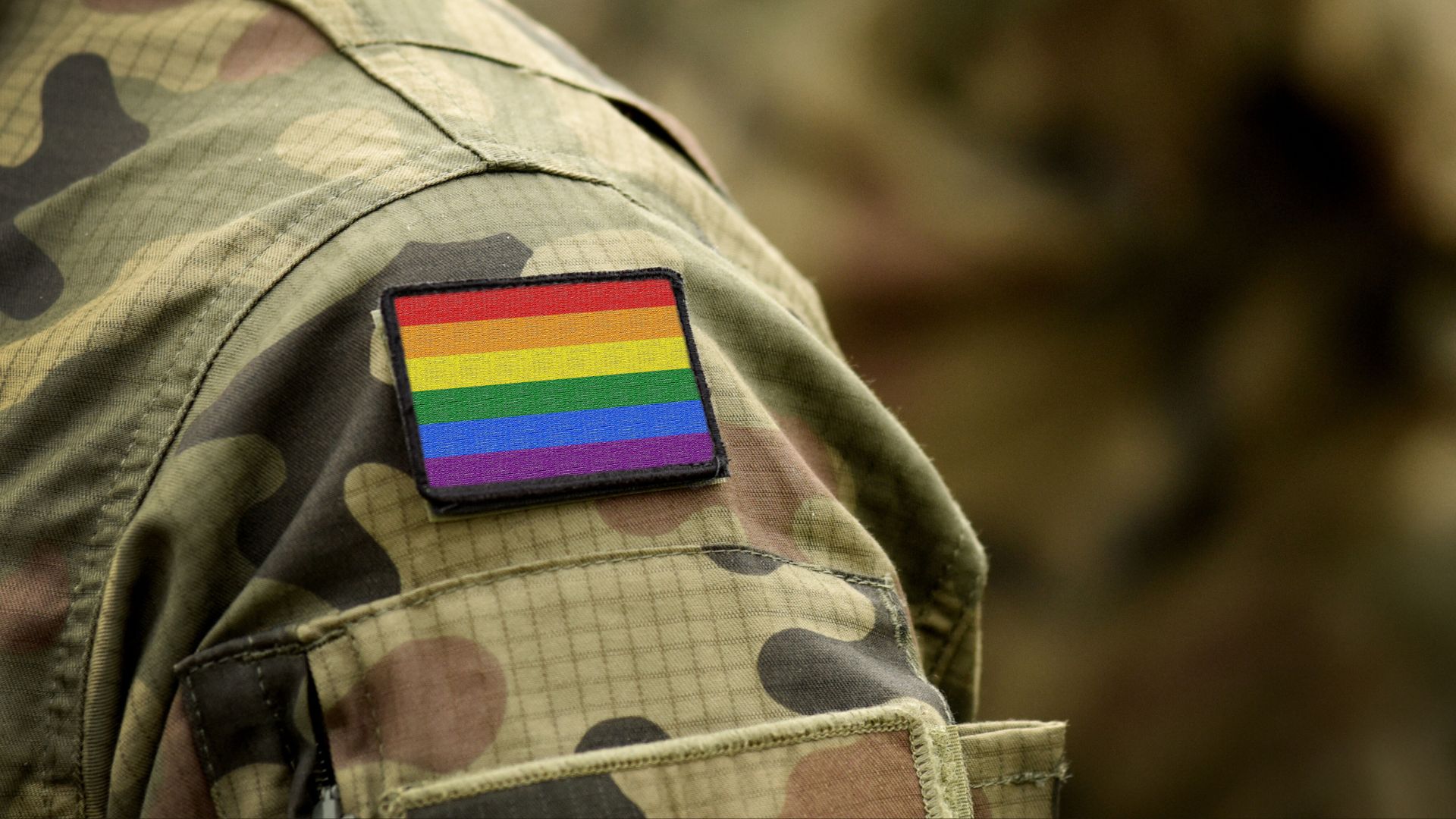
The veterans contend that the existing compensation framework, established to redress those impacted by the historical ban on LGBTQ+ individuals in the military (active until 2000), unfairly disadvantages lower-ranking personnel. As the BBC reports, the scheme offers a baseline payment of £50,000, with an additional £20,000 available for those who experienced further harms such as criminal records or abusive interrogations. However, its current stipulations permit commissioned officers who felt pressured or forced to leave due to disciplinary threats to receive the primary payment, while non-commissioned ranks facing similar circumstances are ineligible.
Mark Shephard, 49, and Steven Stewart, 55, have formally issued a pre-action letter to the MoD, questioning the legality of the LGBT+ Veterans Financial Recognition scheme. This scheme was implemented following a pivotal report detailing the systemic mistreatment of LGBTQ+ service personnel. Lawyers representing the veterans argue that this distinction results in an inequitable application of justice across different ranks, potentially excluding thousands of deserving individuals. They have indicated their readiness to pursue a judicial review to broaden the scheme's eligibility criteria.
Mr. Shephard, who served in the RAF as a fitter from 1995 to 2001, recounts being questioned about his sexuality in 1999 and presented with an ultimatum: face dismissal or voluntarily resign. "I felt like I was driven out of the career I trained hard to achieve and excelled at," he stated, emphasizing that this action is "about ensuring those who had to give up their military lives and careers get the justice they're entitled to."
Mr. Stewart, a corporal in the Royal Military Police, served for seven years, including deployments in the Gulf War and Northern Ireland. He left the British Army in 1995 after an investigation into his sexuality, which he described as "intrusive and deeply traumatic." He stressed that "the least I and many others deserve is for the redress scheme to actually recognise what happened to hundreds, if not thousands of service personnel, was wrong."
This legal challenge follows the recent dedication of the UK's first memorial to those affected by the discriminatory "gay ban" by King Charles III, highlighting the MoD's expressed commitment to acknowledging past injustices. The MoD has previously conveyed "deep regret" for the treatment of LGBTQ+ personnel during that period, acknowledging it was "wholly unacceptable."
Ed Hall, Chairman of the LGBT+ veterans support charity Fighting with Pride, urged the government to "listen and address the manifest injustice these former service people are facing," framing the scheme as an opportunity for the government to align itself with history. Reports suggest some eligible veterans have passed away awaiting their payouts, underscoring the urgency of comprehensive and equitable redress.