
LGBTQ+ veterans initiate legal challenge against MoD compensation scheme
April 8, 2026Two military veterans have initiated legal proceedings against the Ministry of Defence (MoD), asserting that the current compensation framework for individuals affected by the historical ban on LGBT personnel is inequitable. Mark Shephard, from Taunton, Somerset, and Steven Stewart, based in south-west England, contend they were compelled to leave their service due to their sexuality but were subsequently denied full financial recompense, as they did not undergo a formal discharge.
The legal action, BBC reports, disputes the regulations governing the MoD's LGBT Financial Recognition Scheme, which offers compensation to those dismissed or administratively discharged under the controversial ban.
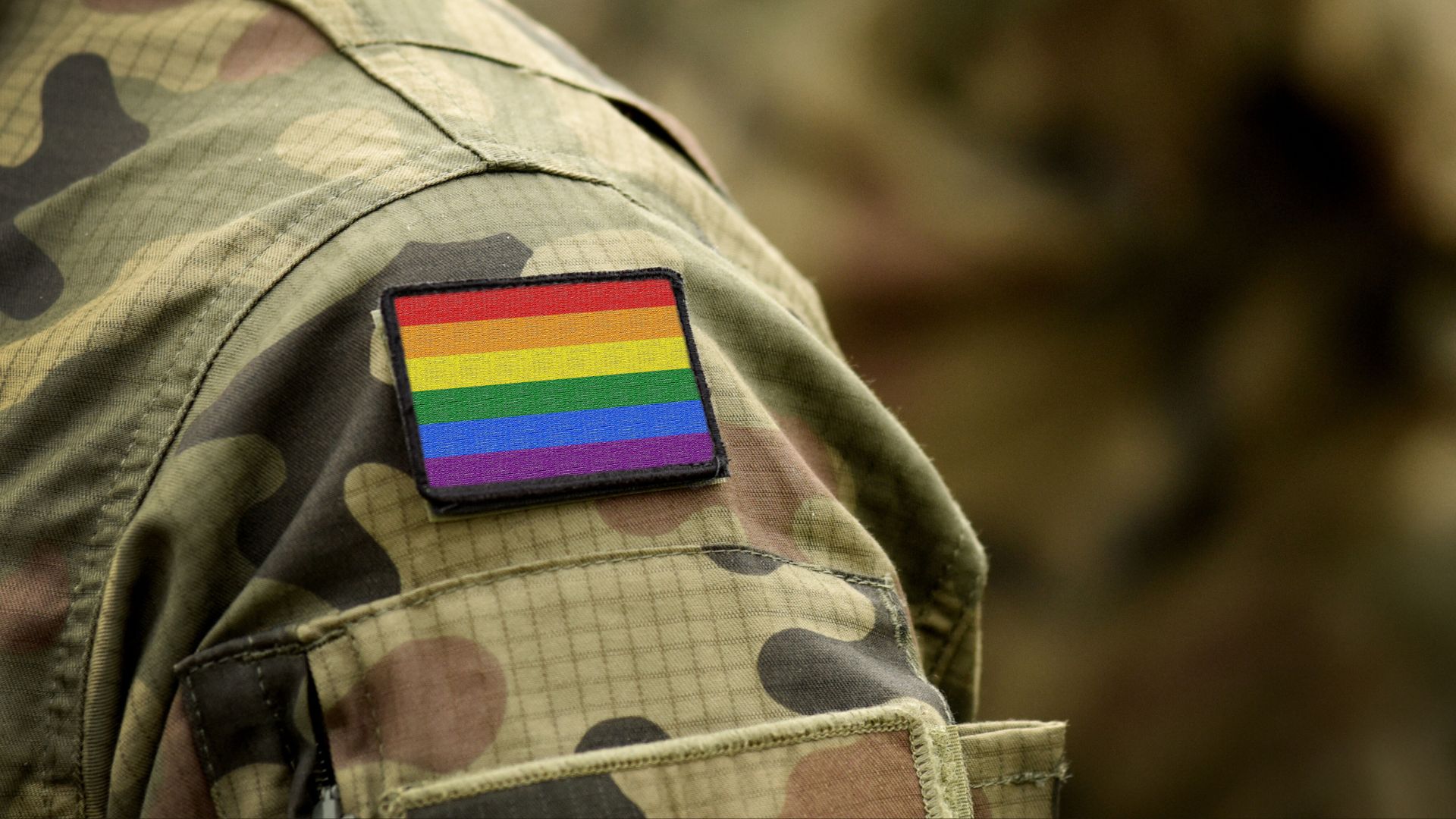
Between 1967 and 2000, individuals serving in the armed forces who were, or were perceived to be, gay or transgender faced systematic interrogation and dismissal. This policy often resulted in the loss of military pensions, social ostracization, and severely limited career prospects for affected personnel.
Established in 2024, the compensation scheme was a key recommendation stemming from Lord Etherton's comprehensive independent review in 2023. It provides a flat payment of £50,000 for those formally dismissed or administratively discharged and additional "impact payments" of up to £20,000 for others affected.
Steven Stewart, who served as a corporal in the Royal Military Police from 1988 to 1995, recounted being arrested, interviewed under caution, and removed from his unit amidst questions about his sexuality. Faced with the prospect of a court-martial and potential imprisonment, he resigned. "I had done nothing wrong, yet I was presented with no viable alternative," Stewart stated. "My military career concluded abruptly. The repercussions of that decision have remained with me for decades, impacting my confidence, relationships, and self-perception." Stewart received an impact payment of £7,000.
Mark Shephard served in the Royal Air Force (RAF) from 1995 to 2001, where he experienced significant bullying from peers. In 1999, he was directly questioned by his commanding officer regarding his sexual orientation. Unaware of the ban at the time, he confirmed he was gay. To avoid formal dismissal, Shephard applied for voluntary release. He recently disclosed the true reason for his departure to his family and friends, expressing a feeling of being effectively ousted from a career he had trained diligently for and excelled within. Shephard received an impact payment of £5,000.
Both men's applications for the larger £50,000 payment were rejected, and subsequent appeals were unsuccessful. Barrister Kate Gallafent KC, representing the veterans, highlighted that her clients endured "intrusive investigation, public humiliation, and enduring psychological and relational harm, in addition to the premature termination of their careers."
Ms. Gallafent noted that Lord Etherton's review indicated 44% of LGBT veterans felt compelled to leave the armed forces through informal means or due to pervasive hostility. She argued that the MoD's scheme fails to adequately address this scenario, leaving veterans who were coerced into resigning or retiring with substantially less compensation than those formally discharged. The barrister characterized the scheme's differentiating rules as "inherently irrational" and unlawful.
Angela Jackman, a partner in the public law and human rights department at Irwin Mitchell, the firm representing the veterans, commented that hundreds of veterans have been disadvantaged by the scheme, experiencing further distress after applying.
An MoD spokesperson responded, stating, "We deeply regret the treatment of LGBT serving personnel between 1967 and 2000, which is not reflective of contemporary defence values." The spokesperson added, "We are committed to rectifying these past wrongs through tangible measures, including the LGBT financial and non-financial restorative initiatives. While we acknowledge the distress caused to veterans who felt pressured to resign, the dismissed and discharged payment was intended to recognize those dishonourably removed from service. Nevertheless, we recognise that LGBT veterans, including those who felt compelled to resign, faced unacceptable experiences, and thus the scheme was expanded to include an additional impact payment, which we encourage such veterans to pursue."
Irwin Mitchell confirmed that a legal claim has been filed, though a hearing date has not yet been established.