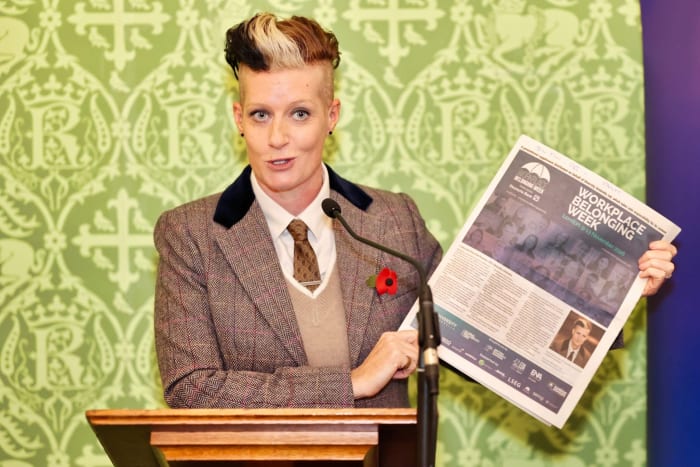
"Listen": Kat Parsons on the first Workplace Belonging Week
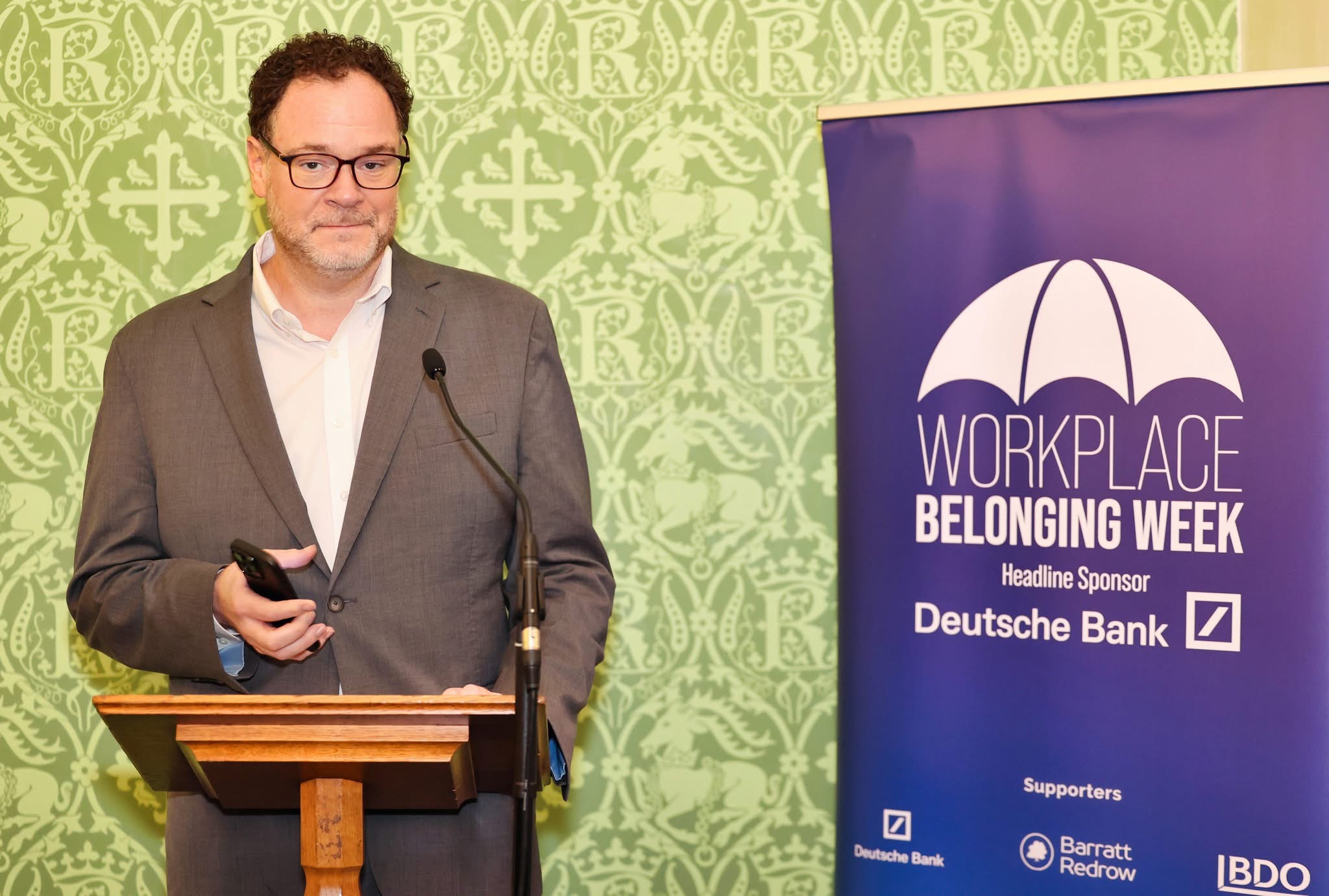
November 17, 2026Last week, Diversity Umbrella ran the first Workplace Belonging Week: five evenings across London, from Deutsche Bank's Moorgate headquarters to the House of Commons to giffgaff, finishing with a Summit at BDO and the European Diversity Awards on Friday night. Nicola Sturgeon was the headline conversation at the Summit. Around 800 people were in the room for the awards.
We asked Kat Parsons, CEO of Diversity Umbrella, why she chose the word belonging over diversity or inclusion, what stayed with her from an evening about the things colleagues carry to work and don't talk about, and what she'd say to anyone who couldn't make it this year. Her answer to the last one: don't wait until 2027 to start the conversation.
Find out more about Workplace Belonging Week at workplacebelongingweek.com and about Diversity Umbrella, the European Diversity Awards and the Network Collective at diversityumbrella.co.uk.
What does belonging mean to you, and why did you choose that word for the week?
Diversity, equity and inclusion are incredibly important, but sometimes the language itself can unintentionally make people feel that the conversation isn't about them. They might assume it's an agenda for certain groups rather than something that affects everyone.
Belonging changes that conversation. It's universal. We all want to feel valued, respected and secure in the environments where we work.
For me, belonging is about creating the conditions where people feel safe enough to be themselves, contribute fully and ultimately thrive.
That's why we chose the word. We wanted to bring everyone into the conversation, because belonging isn't something that should be reserved for particular communities. It's something every single person deserves to experience.
You've run the European Diversity Awards for years. What made you want to build a week of events around them?
Through our portfolio of awards, we have access to an extraordinary ecosystem of organisations and individuals doing genuinely innovative work around inclusion.
But the awards are just one moment in the calendar. We wanted to take all that incredible knowledge, experience and best practice and create opportunities for people to learn from one another.
Workplace Belonging Week, founded by Linda Riley, was about bringing that ecosystem together, showcasing what's working and encouraging collaboration across organisations and sectors.
There's so much brilliant work happening, but too often organisations are tackling similar challenges in isolation. We wanted to change that.
Who did you have in mind when you were planning the programme?
Everyone!
That was one of our biggest ambitions. We deliberately designed a programme that would speak to different audiences and different experiences.
We had conversations specifically for senior leaders about the complexities of leadership, events focused on employee networks and the critical role they play, and discussions about the hidden sides of diversity and inclusion that affect colleagues every single day.
We wanted people to see themselves somewhere in the programme, regardless of their role, seniority or background.
Because if we're talking about belonging, the week itself needs to feel inclusive.
Each evening was in a different place, from Deutsche Bank to the House of Commons to giffgaff. How did you choose the venues, and what did each one bring?
We were very intentional about the venues. We wanted each event to have its own identity and atmosphere, while giving the conversations the significance they deserved.
The beautiful Deutsche Bank headquarters in Moorgate provided an incredible setting to launch the week. London Stock Exchange Group brought a real sense of corporate influence, while the House of Commons offered a powerful backdrop for conversations about leadership and responsibility.
Then we had giffgaff, which brought a completely different energy to our discussions about generations in the workplace, and BDO hosting our closing Summit.
These weren't simply venues. They helped shape the experience, elevate the conversations and demonstrate the importance of the subjects we were tackling.
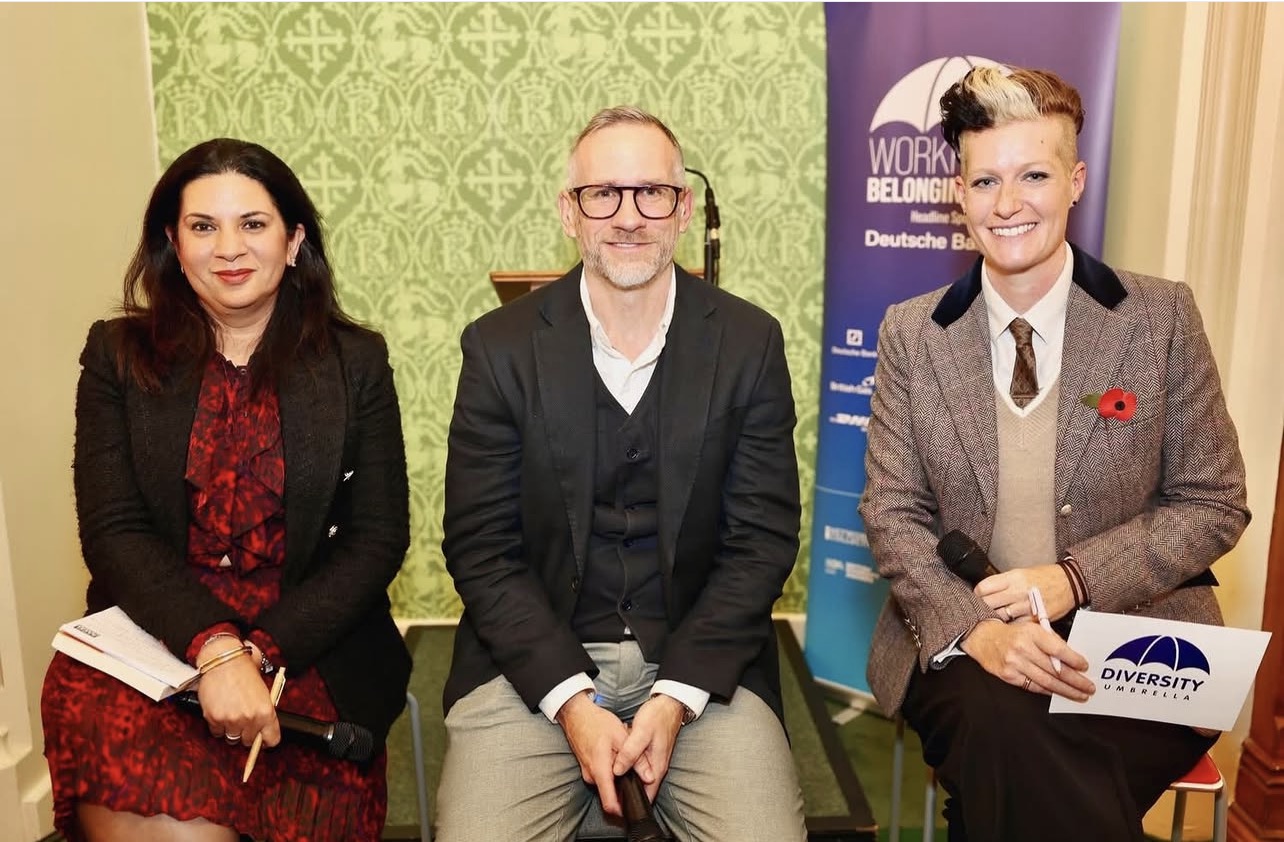
Tuesday's session was about the things people bring to work and don't talk about. What stayed with you from that evening?
This was one of the most powerful conversations of the entire week.
We heard from carers, parents of neurodivergent children, a cancer survivor and a trans colleague about the realities of their everyday lives.
What really struck me was how much can happen in someone's life before they've even opened their laptop in the morning. Yet we often know so little about what our colleagues are carrying.
I spoke about the importance of opening those filing cabinets of personal experience rather than reducing people to diversity characteristics or tick boxes.
The feedback was extraordinary. Several people told us these were conversations they'd never heard in a workplace before, but desperately needed to hear.
That tells me we need to create more spaces for these discussions, and we absolutely intend to.
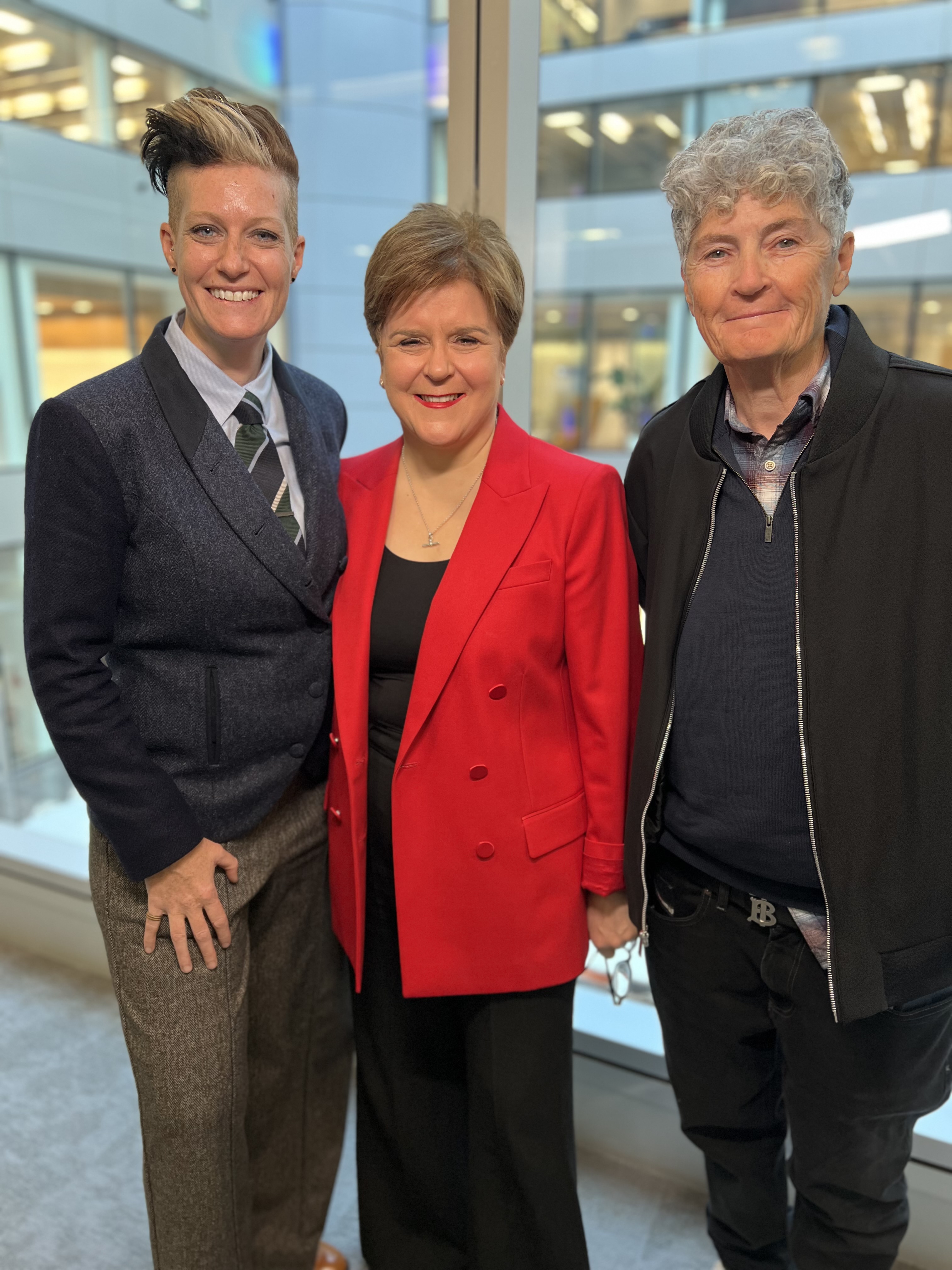
Nicola Sturgeon was your headline conversation at the Summit. What drew you to her for this?
I wanted someone who could speak honestly about leadership at the very highest level, including the challenges, the vulnerability and the personal cost that can come with it.
Nicola has spent much of her career navigating incredibly complex decisions, public scrutiny and competing expectations.
Our conversation explored resilience, authenticity, the importance of reflection and the increasing pressure on leaders to respond instantly in a world driven by social media. One of my favourite moments came when I asked what single piece of advice she would give leaders wanting to create workplaces where people genuinely belong.
Her answer was simply: "Listen."
One word, but incredibly powerful. It captured so much of what we'd been discussing throughout the week.
She also spoke about being an incredibly shy child and how she'd still rather address 10,000 people than have dinner with ten. I loved that honesty. It reminds us that confidence isn't always something you're born with. Sometimes it's something you continually work at.
The Summit also had a session on employee networks. What would you like network leaders to take away from it?
Employee networks have enormous potential to influence organisational culture, but they need to be more than communities operating on the sidelines.
I want network leaders to recognise their ability to be both a source of support for colleagues and a critical friend to the organisation, helping to shape strategy, challenge thinking and identify opportunities for improvement.
It's also incredibly important that networks look beyond their own organisations.
Through our Network Collective membership, we're creating opportunities for network leaders to connect across sectors, share best practice and learn from what others are doing.
Information is power. When you can demonstrate how another organisation has successfully tackled a challenge, you're in a much stronger position to influence change within your own.
Has there been a moment this week that made you think, 'This is why we did it'?
There were so many!
I genuinely think every day had one of those moments. Whether it was watching people nod along to a difficult conversation, seeing someone share a deeply personal experience or hearing the discussions continuing long after an event had officially finished.
There was something incredibly powerful about seeing people from completely different organisations and backgrounds connecting over shared experiences.
We created Workplace Belonging Week to start conversations, challenge thinking and bring people together. Watching that happen in real time was phenomenal.
I'm incredibly proud of what we achieved in year one, and I genuinely cannot wait for 2027.
It's been a tough year for inclusion work in many organisations. How have you found the response from employers?
I think inclusion has always experienced periods of challenge and change. The conversation ebbs and flows, and we're certainly navigating a complex environment at the moment.
But I remain optimistic.
We received record numbers of submissions for this year's European Diversity Awards, which demonstrates that organisations are still doing extraordinary work, even if the external conversation sometimes suggests otherwise.
Employers are undoubtedly facing pressures, and some are having to rethink how they position or communicate their inclusion strategies. But the work hasn't stopped. In many organisations, it's evolving and becoming more embedded in how they operate.
For me, the response to Workplace Belonging Week reinforced that there's still a huge appetite for these conversations.
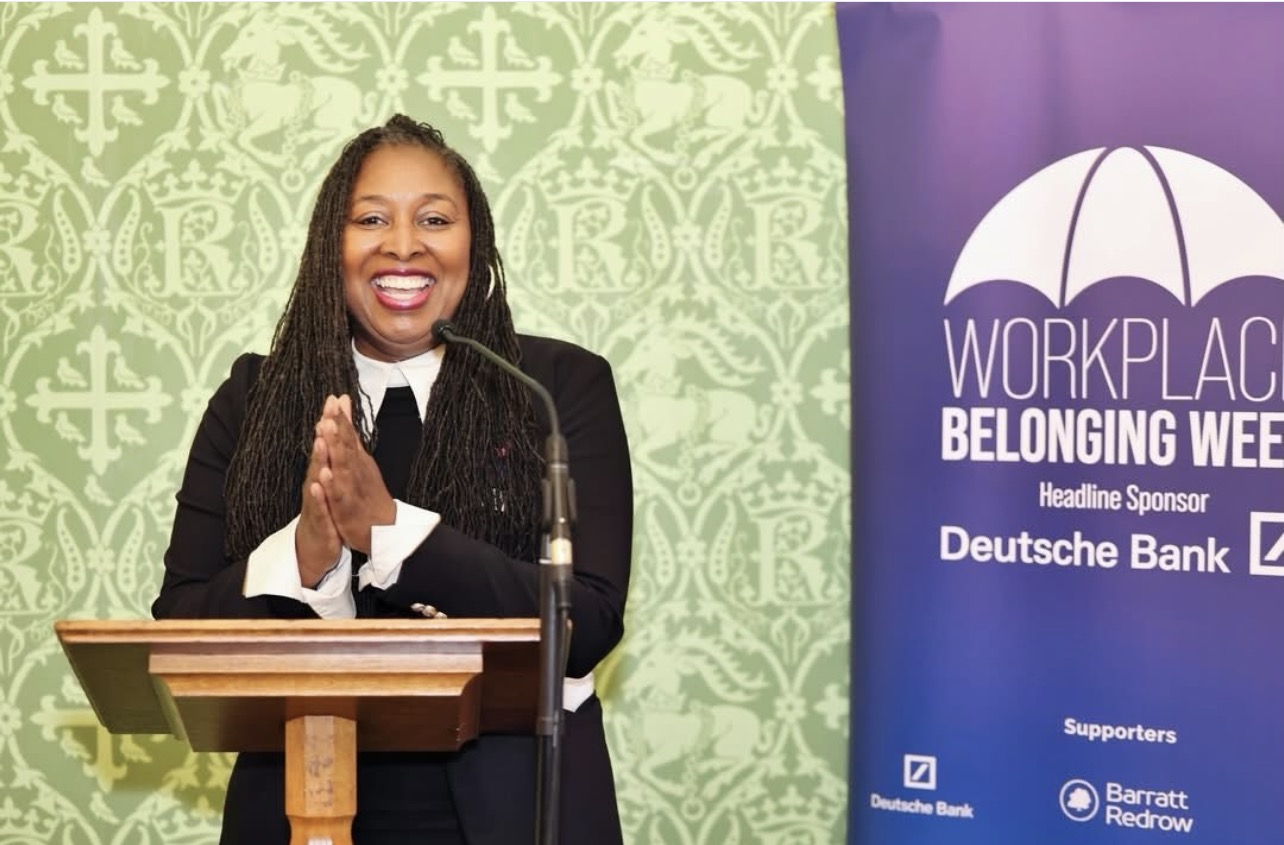
Deutsche Bank came on board as headline sponsor for the first year. What did that partnership make possible?
Having Deutsche Bank as our inaugural headline sponsor was incredibly significant.
It demonstrated a real commitment to putting their brand behind workplace belonging and supporting the conversations we wanted to create. They've been fantastic supporters of Diversity Umbrella through our awards and Global Inclusivity Membership, so it felt like a natural extension of an already strong relationship.
Their support went far beyond sponsorship. Hosting our opening event at their beautiful Moorgate headquarters gave the week an incredible launch and helped set the tone for everything that followed.
Partnerships like this are what make ambitious programmes possible, and we're enormously grateful for their commitment.
What were you most looking forward to at the European Diversity Awards?
The European Diversity Awards are always such a special moment because they're about recognition, celebration and reminding people that the work they do really matters.
We had around 800 people in the room this year, and the atmosphere was extraordinary.
I think recognition is something we should never underestimate. For some individuals, simply being shortlisted represents years of determination, personal sacrifice and challenging systems that weren't designed with them in mind.
And behind every nomination there's a story. Someone who's spoken up when it would have been easier to stay quiet, challenged an established way of thinking or created opportunities for others.
The awards give us a moment to stop and acknowledge that.
Not everyone will take home a trophy, but being recognised among people doing such important work is an achievement in itself.
What would you like Workplace Belonging Week to look like in a few years' time?
I want it to be huge!
We've demonstrated what's possible in our first year, and I think there's enormous potential to grow Workplace Belonging Week into something genuinely global.
I'd love to see events happening across different countries, bringing together organisations and communities to explore belonging through their own cultural and workplace perspectives.
Bigger venues, wider audiences, more opportunities for collaboration and a strong virtual element so people can participate wherever they are in the world.
We have an incredible international network through Diversity Umbrella, and I want to build on that.
Ultimately, I'd love Workplace Belonging Week to become a recognised moment when organisations across the globe come together to have meaningful conversations about belonging and, more importantly, turn those conversations into action.
For someone who couldn't make it this year, where should they start?
Firstly, have a look at our social media channels! We've shared lots of highlights throughout the week, and the events were recorded, so there are plenty of opportunities to catch up on the conversations.
I'd also encourage people to get in touch with Diversity Umbrella and join our mailing list.
We'll be sharing more insights, content and opportunities to get involved as we build towards Workplace Belonging Week 2027.
And my biggest message would be: don't wait until next year to start thinking about belonging.
Start having those conversations in your own organisation now. Ask questions, listen to colleagues and challenge the things that might be getting in the way.
Because belonging isn't built through one event or one week in the calendar.
It's built through the everyday actions and decisions that shape how people experience work.
Workplace Belonging Week returns in 2027. To join the Diversity Umbrella mailing list or find out about the Network Collective and Global Inclusivity Membership, visit diversityumbrella.co.uk. Read our coverage of the European Diversity Awards 2026 winners.
Photos: Jonathan Phang, except Nicola Sturgeon photo: Kara Smith.