
Majority of Americans Want LGBTQ+ Community Protected From Discrimination Amid Soaring Anti-LGBTQ+ Bills
March 21, 2022More Americans than ever before (8 in 10) want the LGBTQ+ community protected from discrimination, despite the skyrocketing anti-LGBTQ+ Bills opposing them, according to a new survey conducted by the Public Religion Research Institute (PPRI).
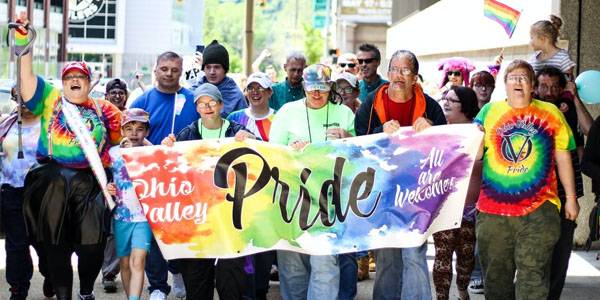
Nearly 670 anti-LGBTQ+ bills have been filed since 2018, according to a recent NBC News analysis of data from the American Civil Liberties Union and LGBTQ+ advocacy group Freedom for All Americans, with nearly all of the country’s 50 state legislatures having at least one bill. The slate of legislation includes measures that would restrict LGBTQ+ issues in school curriculums, permit religious exemptions to discriminate against LGBTQ+ people, and limit trans people’s ability to play sports, use bathrooms that correspond with their gender identity, and receive gender-affirming health care.
Proponents of these bills say they’re about protecting children, parental rights, religious freedom, or a combination of these. Opponents, including the majority of the American public, believe these bills are discriminatory. And they want to see the LGBTQ+ community better protected from discrimination, according to the PPRI’s latest study.
Approximately 8 in 10 Americans (79%) favor laws that would protect LGBTQ+ people against discrimination in jobs, public accommodations, and housing. Support for these protections has increased 8% since 2015 (71%). The study of than 22,000 adults conducted by PPRI across all 50 US states, is the latest in PRRI’s American Values Atlas project; a 7-year tracking survey measuring Americans’ support for LGBTQ+ rights policies at the state level since 2015.
“This massive 50-state study brings into sharp focus the contradiction between increasing support for LGBTQ+ rights, including rights for transgender Americans, and the proliferation of laws seeking to restrict or abolish those rights over the last year,” said Robert P. Jones, PhD, founder and CEO of PRRI. “Support for non-discrimination protections for LGBTQ+ Americans has never been higher and garners the support of all political parties and major religious groups.”
More than 8 in 10 Democrats (89%) and independents (82%), and nearly two-thirds of Republicans (65%) favor non-discrimination provisions for LGBTQ+ people. Since 2015, that number has increased among Democrats (78% to 89%), independents (73% to 82%), and Republicans (61% to 65%). Notably, solid majorities of all religious groups support laws protecting LGBTQ+ people from discrimination, including 8 in 10 white Catholics (80%) and Latino Catholics (83%), and 6 in 10 white evangelical Protestants (61%).
Even in the states with lowest support, approximately two-thirds or more support non-discrimination protections for LGBTQ+ people: Arkansas (64%, up from 56% in 2015), Mississippi (66%, up from 54% in 2015), South Carolina (67%, no change since 2015), Alabama (69%, up from 56% in 2015), and West Virginia (70%, up from 60% in 2015). The study also revealed that more than two-thirds support marriage equality. In fact, nearly 7 in 10 Americans (68%) favor allowing gay and lesbian couples to marry legally.
Support has increased by 14% since 2014 (54%). Republicans are now nearly evenly divided over same-sex marriage (48% support, 50% oppose), while 81% of Democrats and 73% of independents favor marriage equality. Today, majorities of most religious groups favor marriage equality. White evangelical Protestants (35%) and Latter-day Saints (46%) remain the only major religious groups with less than majority support for same-sex marriage.
Only 4 states have less than majority support for marriage equality: Mississippi (44%), Arkansas (47%), Alabama (49%), and South Carolina (50%).
Approximately two-thirds of Americans (66%) oppose allowing a small business owner in their state to refuse to provide products or services to gay or lesbian people if doing so would violate their religious beliefs. While attitudes have fluctuated since 2015, opposition to these religious exemptions is up seven points over this period (59%). Nearly 9 in 10 Democrats (85%) and two-thirds of independents (66%), compared to only 44% of Republicans, oppose religiously based refusals to serve gay and lesbian people. Opposition to religiously based service refusals has increased among all partisan groups since 2015.
Majorities of most major religious groups oppose religiously based refusals to serve gay and lesbian people. White evangelical Protestants (38%) and Latter-day Saints (44%) are the only two major religious groups among whom less than a majority oppose these religious exemptions. West Virginia is the only state in which less than a majority of residents (48%) oppose religiously based refusals to serve gay and lesbian people.
The full report, Americans’ Support for Key LGBTQ+ Rights Continues to Tick Upward, is available on PRRI’s website.
Keep up to date with the latest myGnews