
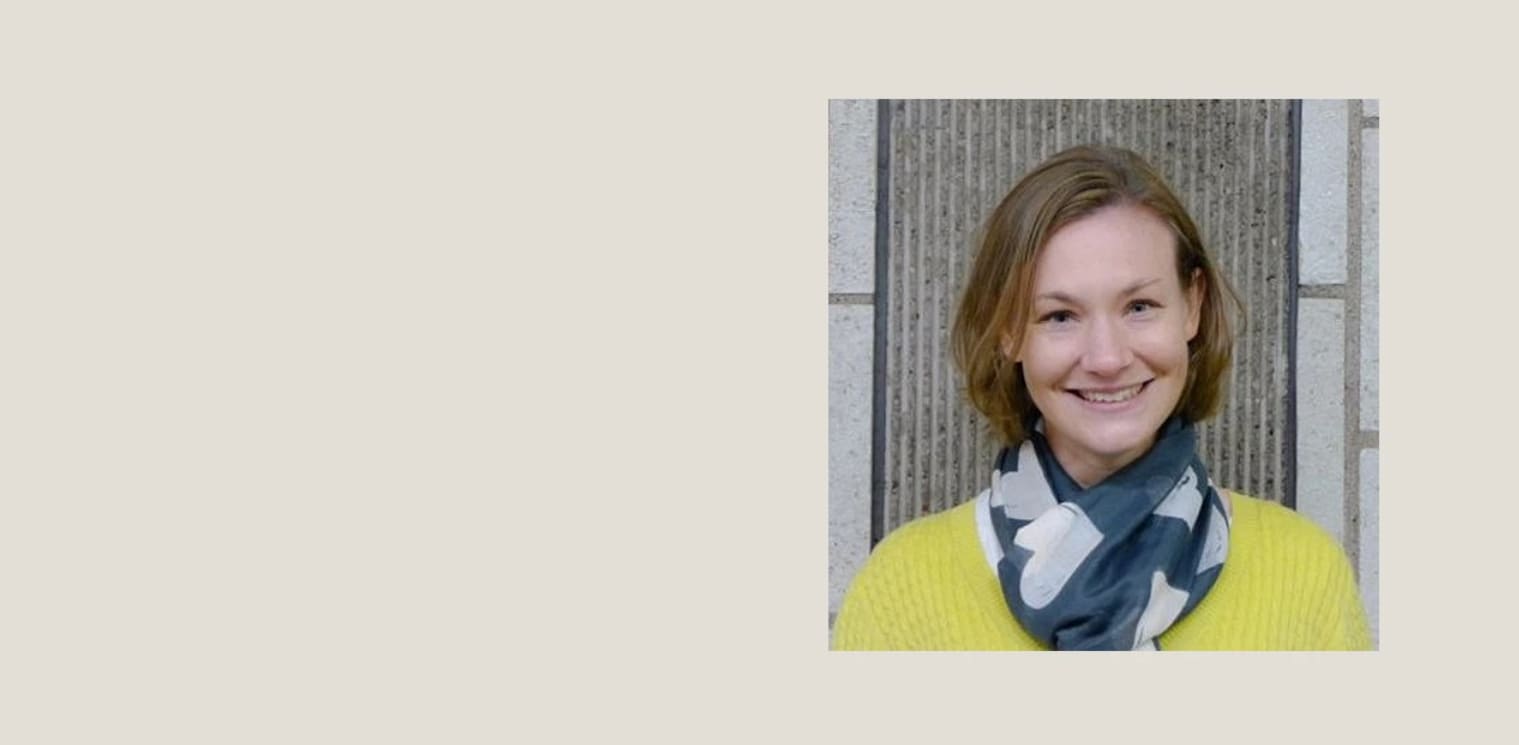
Meet Sarah Jenkins, Director of Research Integrity & Publishing Ethics at Elsevier
April 30, 2025Fifteen years ago, when Sarah Jenkins was working as a Publisher and Publishing Director, managing allegations of ethical misconduct was a relatively straightforward part of the job. “Cases were simpler in nature, relating mostly to authorial misconduct,” she recalled.
Today, the scenario is very different. “Unethical behavior can occur at many different stages within the research and editorial process,” Sarah said. “And what we’re seeing is that it is increasingly intentionally hidden from us by the actors who are participating in that misconduct.”
Cases of concern to research integrity specialists rear their head at every stage of the publishing process, from errors of judgment or fabrication of data and images, to manipulation of the peer-review process to influence the editorial decision or artificially inflate publication and citation metrics for personal gain.
One key to success is building recognition of shared responsibility across the entire research community of authors, reviewers, editors, readers, publishers, society partners, institutes opens in new tab/window, funding bodies, and governments. This solidarity is already present and is growing, Sarah said. For example, in commitment to quality and trusted partnership, Elsevier developed and shared a new technology with the STM Integrity Hub that helps detect duplicate manuscript submissions across journals and publishing houses.