Mentorship matters: empowering growth at Raytheon UK
January 29, 2025Mentorship is a powerful tool for personal and professional growth, and at Raytheon UK, it's all about fostering those connections. Sharon Brook, Senior Learning and Development Partner, plays a key role as the Mentoring Coordinator for the Women’s Employee Resource Group, WISE (Women Inspiring Success and Empowerment). Sharon gives us the scoop on the mentoring initiatives, why they matter so much, and her tips for LGBTQ+ professionals who are thinking about becoming mentors.
Please introduce yourself and your role within your organisation.
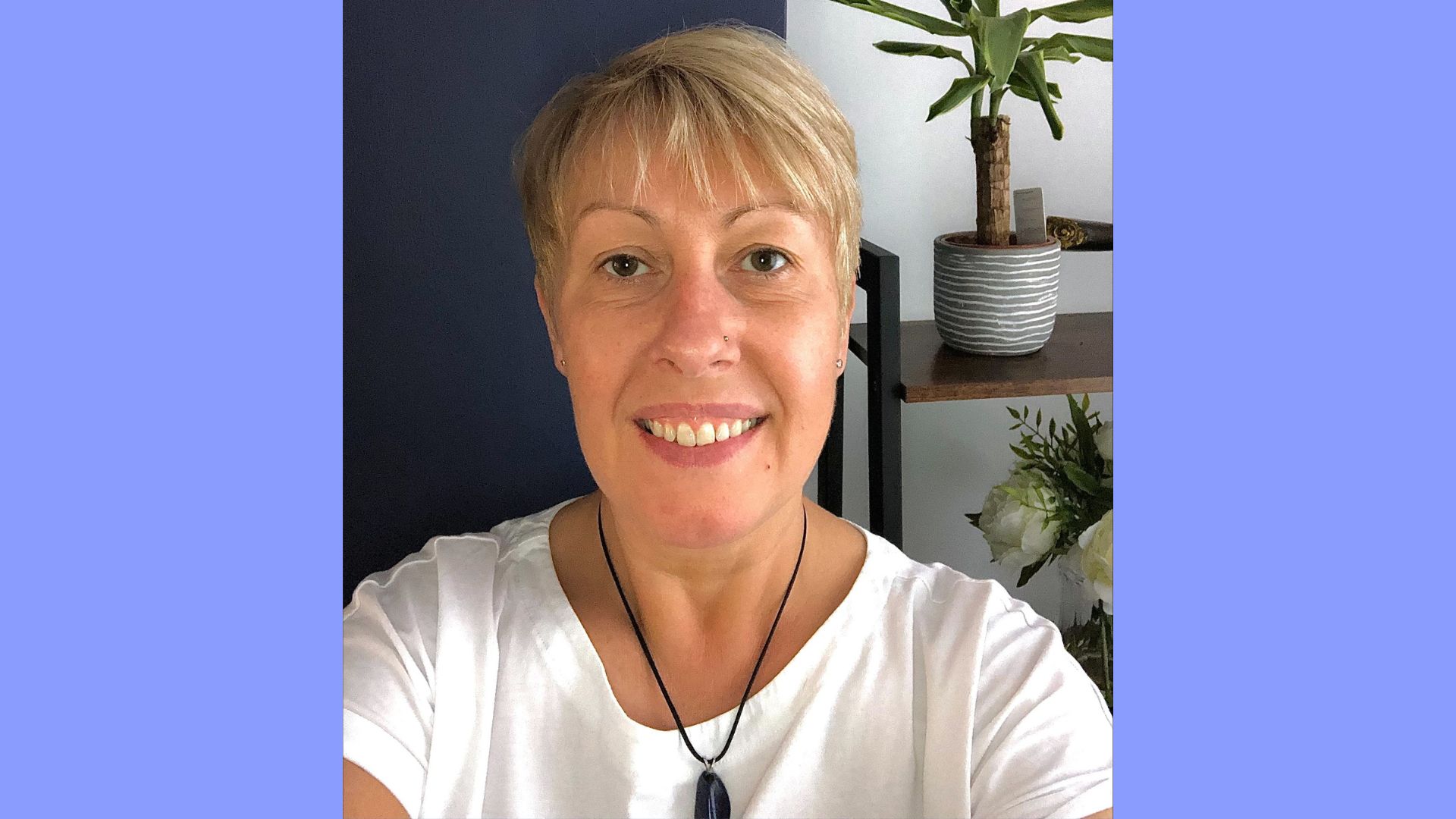
I’m Sharon Brook and I’m the Snr L&D Partner for Raytheon UK, in addition to my main role I am also the Mentoring Co-Ordinator for our Women’s Employee Resource Group “WISE”, which stands for Women Inspiring Success and Empowerment.
Can you give us an overview of the Mentoring programmes within Raytheon?
Our mentoring programme has been running for several years, and we’ve had a significant number of successful mentoring partnerships. Our programme usually operates in 6-monthly cycles, with many pairings continuing beyond that. It typically takes the format of a structured relationship where an experienced individual (the mentor) provides guidance, knowledge, and support to a less experienced individual (the mentee). This process fosters personal and professional development, enhances skills, and builds confidence. It is a mutually beneficial relationship that empowers individuals and strengthens organisational performance.
This year we have introduced a “Speed Mentoring” concept. For those unfamiliar, this is an efficient high-impact way of gaining professional development, offering mentees valuable diverse insights in a short amount of time while allowing mentors to share their expertise. It’s a great way to foster learning, networking and career growth, for both individuals and Raytheon UK.
We recognise that not everyone, mentors or mentees, has the capacity to commit to a longer-term mentoring partnership, plus there are individuals that feel they would like to reach out in a more in-the-moment fashion, and mentors that would still relish the opportunity to share their skill, expertise and experiences on an ad-hoc basis.
Even though our programme is open to everyone, a further evolution is in the planning stages as we’re looking to fully promote our programme across the entire organisation; this will ensure our programme is as inclusive as possible and accessible to all.
In your opinion, why is being a mentor important and what are the benefits?
I’d break this into three specific categories – benefits for the Mentee, Mentor and the Organisation.
For the Mentee it can support skills development and career growth, it can provide great networking opportunities, plus offer the mentee support and encouragement to try out new things, which can lead to increased confidence for the individual.
For the Mentor it can really enhance their leadership capability by developing coaching and listening skills. It provides a great deal of satisfaction knowing that they’ve shared their knowledge and expertise which can leave a positive lasting impact on an individual. It’s also an opportunity for the Mentor to learn something new or gain a fresh perspective.
Finally for Organisations, Mentoring contributes to employee development by building a skilled and motivated workforce. As Mentors and Mentees feel valued this positively impacts retention and engagement. Mentoring can also support the development of our future leaders by fostering talent within the organisation.
What advice would you want to share with LGBTQ+ professionals wanting to become mentors?
The same advice I’d give to anyone – being a mentor is such a rewarding experience and the benefits far outweigh any time commitments that might be required. I’d also say be clear on what you can and cannot offer a mentee to ensure that you are paired with someone who will get the most value out of your mentorship. Be prepared to invest a part of yourself, be authentic and be open to the possibility of learning something in return from your mentee.