
MSD's François La Haye on Black History and Inclusivity
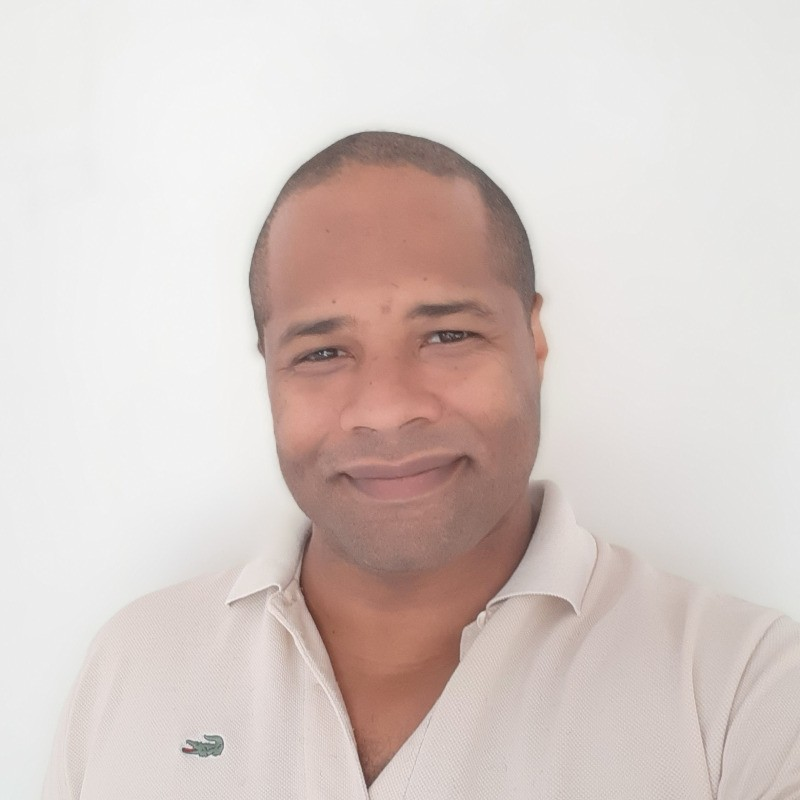
February 4, 2025François La Haye, a Data Specialist at MSD AH BNL in Belgium, shares his perspectives on the significance of Black History Month. Through his reflections on colonial history and the importance of representation, he advocates for a broader inclusivity that embraces the contributions of Black individuals, including those from the LGBTQ+ community.
Please introduce yourself and tell us about your role at your organization.
I’m François La Haye, a Data Specialist at MSD AH BNL, based in Belgium.
Were you taught about Black history in school? If not, what difference would this have made to you?
No, my education was mostly Eurocentric. I think a broader overview of world history would have been valuable. For instance, during the European Middle Ages, the Middle Eastern empires were flourishing as centers of science and knowledge. Learning about these parallels would have provided a more holistic understanding of the world.
What does Black History Month mean to you, and why do you find it important?
Black History Month isn’t observed in the Benelux, but I think its role in the U.S. is significant. My background is a bit different—my father is Belgian, and my mother is from Congo. She doesn’t carry the same historical experiences as many Black Americans. However, just as understanding Black history is crucial for the U.S., colonial history is essential to grasp the world we live in today.
Are you still confronted with your colonial past in daily life?
In Belgium, not so much. Colonial history isn’t widely discussed—it’s as if the book is closed. Whether that’s due to embarrassment or avoidance, I’m not sure. However, there’s a noticeable divide between the Dutch-speaking (Flemish) and French-speaking (Wallonian) parts of Belgium. Flanders has more right-wing voters, and it can be harder to feel accepted as a person of color there. Wallonia, on the other hand, tends to be more welcoming to newcomers.
I’ve noticed that my Flemish friends who are people of color often feel a stronger need to assert their identity. As one of them said, “The more you feel discriminated against, the more you feel the need to stamp your identity.” It’s a sentiment I understand, especially when you feel like you constantly have to prove your worth.
In contrast, countries like the U.S. engage in much more open debate about these issues, which I think is important.
What suggestions do you have for organizations to mark Black History Month?
I’d suggest broadening the scope to include other histories as well—not just focusing on African Americans in the U.S., but also highlighting stories from the West Indies, India, Tibet, Korea, and beyond. Understanding different perspectives helps create a more inclusive narrative.
How can everyone show up for Black History Month?
It’s important to remind people of the efforts and sacrifices made by historical figures to achieve freedom and inclusion. These struggles are still relevant today, not just in the U.S. but globally.
Why is it important that this month includes Black LGBTQ+ people from across history?
Black LGBTQ+ figures have inspired action and change. Their stories deserve to be highlighted as examples of resilience and progress.
Who are some of your favorite Black (LGBTQ+) people from throughout history?
Martin Luther King Jr. stands out to me, even though he wasn’t LGBTQ+. He was incredibly inclusive in his vision, advocating for equal rights for everyone.
Who are your Black (LGBTQ+) role models?
I don’t have specific role models, but I admire Morgan Freeman’s perspective on race and racism. He emphasizes focusing on what unites us rather than what divides us. If we concentrated more on our common ground instead of differences, there would be far less polarization and conflict.
What can we all do to make sure Black LGBTQ+ history is taught and highlighted all year long?
I’d suggest taking a broader approach to history in general. Context matters—understanding the geopolitical situations that shaped our world, like the Ukraine-Russia war or the division of North and South Korea, helps us see the bigger picture. Focusing on interconnected histories provides a deeper understanding of how events and movements influence each other.