
Muhammad Ali and the power of living unapologetically
October 3, 2025By Nosa Osunde at Box
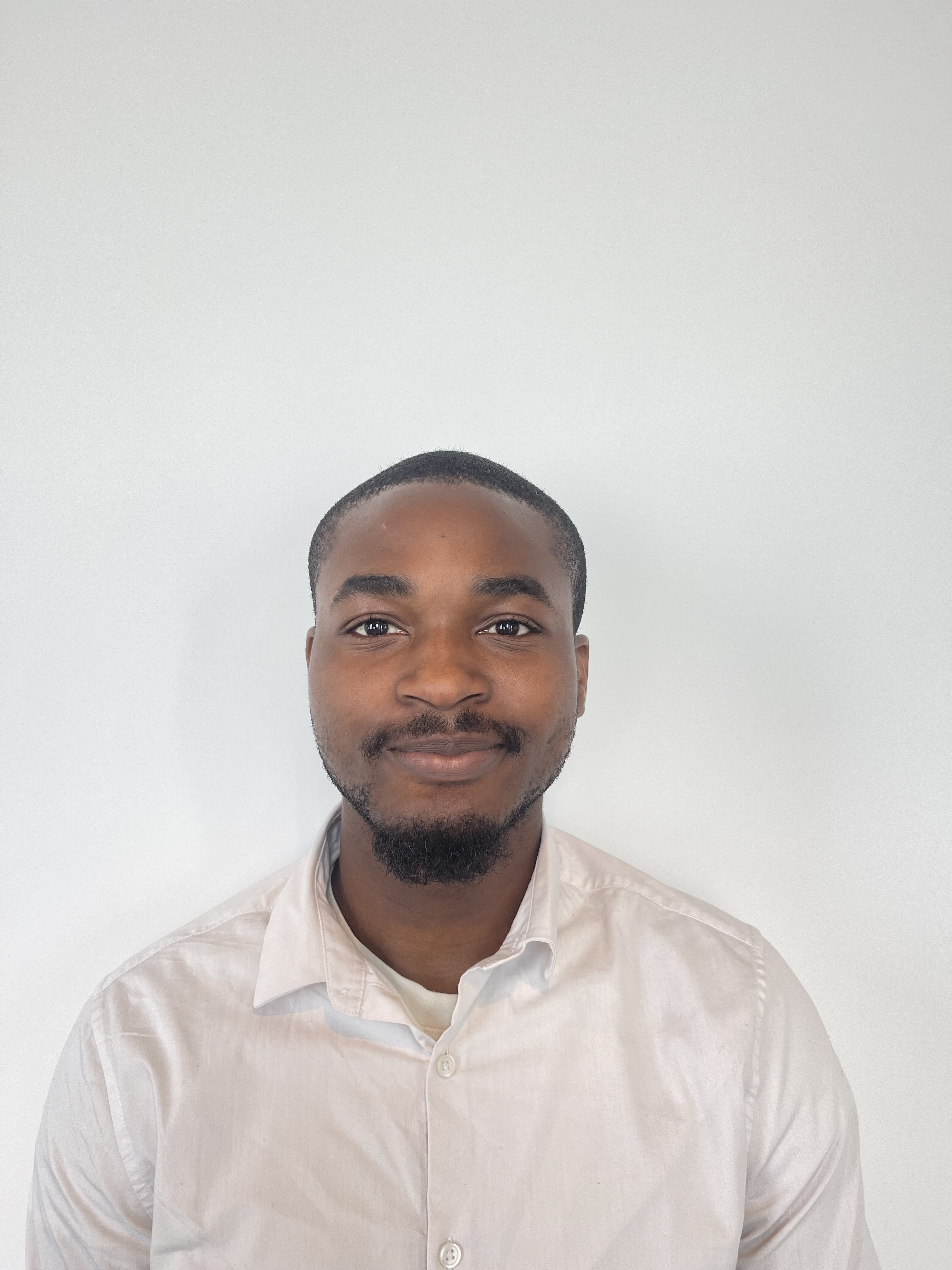
When it comes to Black LGBTQ+ role models, Muhammad Ali always comes to mind. Most people don’t link him directly to LGBTQ+ identity, but for me he represents what it means to live authentically and unapologetically, which is exactly what so many in the Black LGBTQ+ community are trying to do every day.
Ali never played small. He was loud, confident, and made people uncomfortable because he refused to fit into the box that society wanted him in. That’s powerful. It speaks to anyone who has ever been told they’re too much or that they don’t belong. Watching Ali, you see what it means to own your space fully and not apologise for it.
What I admire most about him is that his fight was never just in the ring. He stood up for what he believed in, even when it cost him. He challenged governments, he challenged racism, he challenged the idea that athletes should just “stick to sports.” That spirit of resistance feels very familiar to the struggles faced by Black LGBTQ+ people today. It’s about pushing back against systems that were never built with you in mind.
He also showed a different kind of strength, which was his resilience. Ali lost fights, he faced health struggles later in life, and yet he never disappeared. He kept showing up. He stayed visible. And that matters. Because for communities that often get silenced or pushed aside, visibility is everything.
For me, Ali’s legacy is also about self-belief. He called himself the greatest long before anyone else did, and eventually the world caught up. There’s a lesson in that. Sometimes you have to believe in yourself first and loudest, even when others don’t see it yet. That’s something I think resonates with a lot of Black LGBTQ+ people who are carving their own path in spaces where they might not feel fully accepted.
What makes Ali a role model to me is that he understood his platform wasn’t just his. He used it to amplify causes bigger than himself, whether that was civil rights or global humanitarian issues. That’s also what allyship looks like today. It’s not just about celebrating people during Black History Month or Pride. It’s about using whatever influence you have to make sure others are seen, supported, and not left to fight alone.
So yes, Muhammad Ali is my choice. Not just because of the titles he won but because of how he carried himself. He showed that greatness is not only about victories but about conviction and authenticity. That’s the kind of example I think still has meaning for the Black LGBTQ+ community today.