
myGwork's Sarah Willcocks on championing women and LGBTQ+ talent at work
March 3, 2026As Managing Director at myGwork, Sarah Willcocks sits at the intersection of leadership, inclusion and social impact. For International Women’s Day, we spoke with Sarah about her leadership journey, the realities facing women in today’s workplace, and what it truly takes to build organizations that are not only diverse, but equitable and inclusive for all.
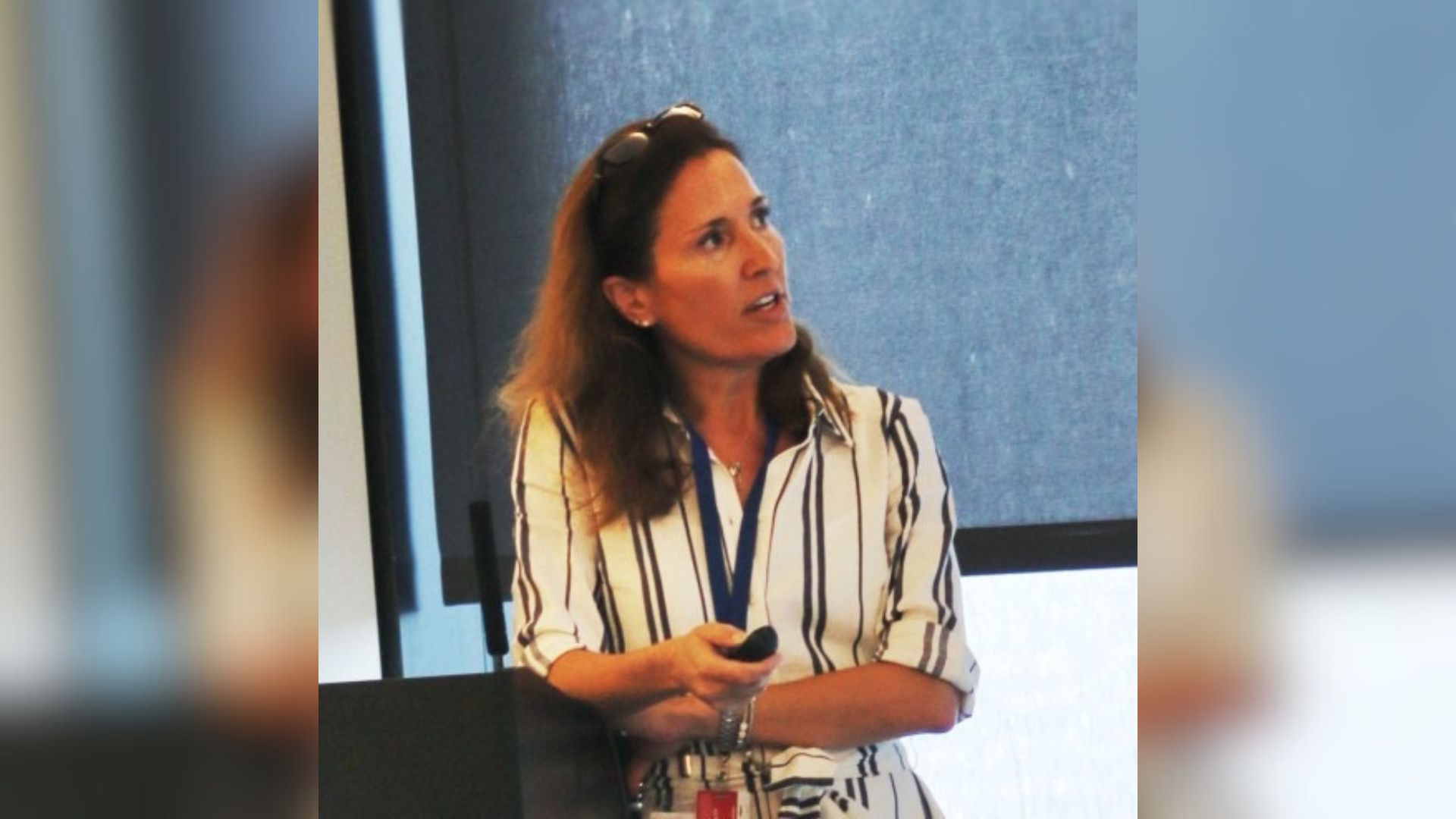
Could you share a bit about your career journey and what led you to your current role as Managing Director at myGwork?
When I finished university in 1991, the UK economy was really struggling, so it actually took me a good three months to land my first job. I ended up with two offers at the same time – one in retail and another in sales at a Korean computer manufacturer. The tech role paid a little more, and honestly, that's why I chose it. Little did I know, that decision would completely set the course for the rest of my career. I quickly discovered my employer didn't believe women deserved the same opportunities as men, which was incredibly frustrating. Needless to say, my next move was to a company with a much more open-minded perspective!
I realised pretty early on that I really wanted to build my career in technology. I still remember getting my first mobile phone – one of those massive, brick-like devices – and just thinking, "Surely one day we'll be able to do so much more than just make calls on these things!" That genuine curiosity about how technology could evolve and truly change lives just stuck with me.
Over the next decade, I immersed myself in sales, working with both nimble start-ups and large corporates within the tech and software world. Then, in 2004, a good friend founded an eCommerce agency called Screen Pages and invited me to join as Business Development Manager. That move really pulled me deeper into the digital space right as online retail was truly beginning to explode.
My husband and I completed a management buyout in 2008, and I stepped into the CEO role. By 2017, I became the sole owner. I poured myself into growing that business, taking it nationally and internationally, and ultimately secured a successful exit in 2024. It was a huge chapter for me.
When I started thinking about my next adventure, I knew I wanted to bring together my experience in tech and scaling businesses with something that felt much more purpose-driven. Creating truly inclusive workplaces and helping companies genuinely understand the tangible value of diverse talent is something I care deeply about. An investor introduced me to Pierre and Adrien Gaubert, and the opportunity to lead myGwork – a global LGBTQ+ business platform – just felt like such a natural, exciting next step for me.
Looking back, what were some of the pivotal moments or decisions that most shaped your path as a leader?
One of the most defining moments in my life hit me in 2017, when my husband and business partner received an early onset dementia diagnosis. Suddenly, I was not only running a growing business, but also largely raising two young children on my own.
That period fundamentally reshaped how I thought about leadership and, frankly, about work itself. I had to operate at unusual hours, learn to work remotely long before it was commonplace, and totally restructure my day to make everything function. Technology was a lifeline, and the incredible support of my colleagues truly enabled that flexibility.
Even before Covid, I had become absolutely convinced that flexibility wasn't just some "perk" – it was an absolute necessity. When the pandemic arrived, that belief was just reinforced tenfold. I saw firsthand how people – especially within a diverse workforce – could respond with incredible creativity and resilience during a crisis. At Screen Pages, we had such a diverse team, and everyone brought different perspectives and solutions to the table. That collective ingenuity was what helped us navigate through those incredibly uncertain times.
As a leader, that whole experience taught me so much about the importance of trust, being adaptable, and truly drawing strength from diversity of thought.
What specific challenges have you faced in your career as a female leader, and how have you navigated them?
I'm Gen X, and let me tell you, the professional landscape when I started my career was profoundly different from today. I wouldn't necessarily say I faced specific challenges as a female leader, but I certainly encountered plenty on my journey to becoming one. That included things like the unspoken expectation that making the tea was my job in the office, or that skirt suits were the only acceptable attire.
There were definitely moments early on of patronising behaviour, of being underestimated, or just not being taken seriously. I was incredibly fortunate to have strong role models and mentors who taught me how to assert myself confidently but calmly. I quickly learned that you can be firm without being confrontational, and that true credibility really builds over time through consistency and performance.
One of the most important lessons I ever learned was not to internalise bias. Sometimes bias is unconscious rather than malicious, and understanding that helps you respond strategically, rather than getting caught up in emotion. Keeping that perspective was key for me.
International Women’s Day often highlights “inspiration.” What does an inspiring leader look like to you in practice?
For me, an inspiring leader is someone who is consistently calm and steady – especially on those really tough days. Leadership isn't about grand, dramatic gestures; it's truly about how you show up, day in and day out.
Communication is absolutely critical. You're constantly persuading people – your team, your customers, investors – to come along on a journey with you. That requires incredible clarity, genuine empathy, and absolute authenticity.
An inspiring leader also prioritises creating psychological safety. People do their best work when they feel genuinely heard and valued. If you can combine that clarity of vision with real emotional intelligence, that's incredibly powerful in my book.
What advice would you give to young women – especially those from underrepresented backgrounds – who aspire to leadership roles?
Firstly, and perhaps most importantly, trust yourself. Confidence doesn't mean having all the answers; it means being brave enough to learn publicly and to take calculated risks.
Secondly, try not to assume negative intent immediately. Bias absolutely exists, but it's not always deliberate or malicious. If you have the opportunity to educate or enlighten someone, please take it – that's often how real change actually happens.
And finally, truly invest in your education and your networks. Knowledge builds credibility, and your networks open doors to opportunities. Seek out mentors, ask questions relentlessly, and don't be afraid to put yourself forward for roles even before you feel 100% ready. You're more capable than you think.
Looking ahead, what gives you hope about the future of work for female professionals worldwide?
What genuinely fills me with hope is seeing that inclusion, in so many countries and industries, is no longer a fringe idea – it's becoming mainstream. I see a new generation entering the workforce who expect inclusion, not as a favour, but as a fundamental standard. That expectation, I believe, will continue to reshape organisations for the better in incredible ways.
In addition, technology has permanently changed how and where we work. That creates so many new opportunities for women and caregivers globally in ways that simply didn't exist when I started my career. It's truly transformative.
I'm also incredibly encouraged by the increasing transparency around pay gaps, representation, and inclusive leadership. Progress may not always be a straight line, but awareness is undeniably far higher than it was 30 years ago, and that gives me immense hope.