
New hope for breakthrough fertility technique that could help same-sex couples
March 28, 2024Oregon Health & Science University (OHSU) scientists have released new research that could help some LGBTQ+ couples have their own biological children.
The new technique, called in vitro gametogenesis (IVG), involves turning a skin cell into a viable egg.
OHSU scientists took a skin cell from a mouse and removed the nucleus before implanting it into a donor egg before manipulating the nucleus to lose half of the chromosomes.
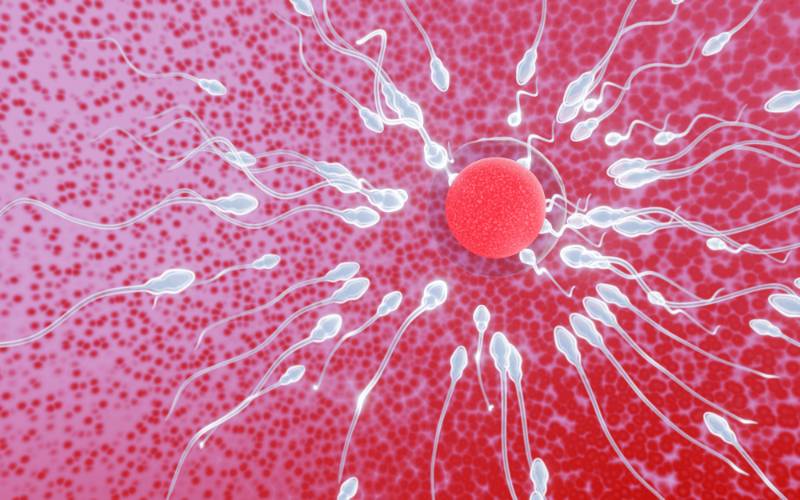
Image Credit: Canva
This reduction of the chromosomes is the main differentiation to cloning and how DNA from two donors can be present, compared to cloning that only has DNA from one donor, according to ‘Gay Times’.
The new egg is then fertilised with sperm, which is known more commonly as in vitro fertilisation, resulting in a diploid embryo with two sets of chromosomes – leading to healthy offspring with equal amounts of genetics from both parents.
“The goal is to produce eggs for patients who don’t have their own eggs,” said Shoukhrat Mitalipov, Ph.D., director of the OHSU Center for Embryonic Cell and Gene Therapy, and professor of obstetrics and gynaecology, and molecular and cellular biosciences, in the OHSU School of Medicine.
“The technique could be used by women of advanced maternal age or those who are unable to produce viable eggs due to previous treatment for cancer or other causes,” the research said. “It also raises the possibility of men in same-sex relationships having children who are genetically related to both parents.”
The concept of the research was first published in January 2022, but the new study “goes further by meticulously sequencing the chromosomes.”
Researchers are studying the technique in human eggs and early embryos, however it will be years before the technique is ready for clinical use.
“This gives us a lot of insight,” said Paula Amato, professor of obstetrics and gynaecology in the OHSU School of Medicine. “But there is still a lot of work that needs to be done to understand how these chromosomes pair and how they faithfully divide to actually reproduce what happens in nature.”
Read related myGwork articles here:
Irish LGBTQ+ Couples Excluded From State-Funded Fertility Treatment Scheme
Fertility Clinic Just For Trans People Set To Open In The US
NHS Group Changes Same-Sex Fertility Rules After Couple’s Campaign
Labour Commits To Fertility Equality For HIV-Positive People
Keep up to date with the latest myGnews