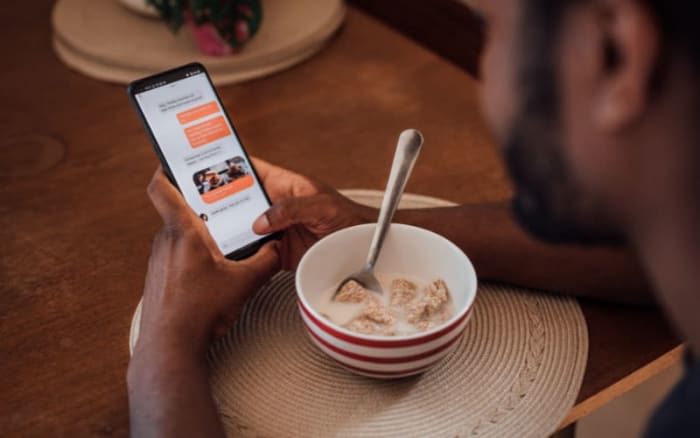
Nigerian Gangs Posing on Dating Apps to Lure in LGBTQ+ Victims to Blackmail and Attack
May 16, 2023Blackmailers in Nigeria are posing on dating apps to lure in LGBTQ+ people and extort, beat and even kill them. According to LGBTQ+ activists this is happening to up to twenty people a week.
One victim of this, Mohammed, shared his story with the BBC, explaining that he built a relationship with someone under the name of Jamal online and felt he could trust him before meeting in person. Upon meeting they went back to Jamal’s place and Mohammed decided to take a shower, once undressed a group of men burst in, beating him and asking for money.
This attack was by a gang, who use the internet to prey on LGBTQ+ people. They filmed Mohammed and released this online, which caused his life to fall apart. Mohammed was living in secret – not out to anyone and with a wife and kids – this put his safety in jeopardy further and pushed him his mental health downwards to the point he was having suicidal thoughts.
"I couldn't believe that someone I trusted could go to the extent of doing that to me," says Mohammed. "I called my kids, three of them. My son told me he loves his father. Even if his father is queer, he has no issues with that. He gave me a reason why I should not [kill myself]."
Another victim, Emmanuel, was tortured with an iron, filmed by a gang and force to pay 500,000 naira (US$ 1,000; £860). Emmanuel was chatting to a friend online, not realizing his account had been hacked, and arranged to meet up with him, just to be ambushed by a gang.
"They made a video of me, and they were asking weird questions. They said: 'What's the name of the school you attend? Where are you from? What's the name of your parents?' I knew they were going to use that video to blackmail me. So I also gave them wrong information."
The video wasn’t posted online after Emmanuel paid the blackmail money, but the experience has left him traumatized: "It hurt me mentally. I don't trust anybody. I just feel insecure."
In 2014 it became illegal to enter into a same-sex marriage or civil union in Nigeria, with the punishment being a fourteen-year sentence. Public displays of affection between same-sex couples are also banned along with LGBTQ+ venues, including gay clubs, with a ten-year sentence for both.
This means that victims of this attack can’t go to the police and perpetrators are rarely – if ever – prosecuted. As Filmmaker Uyaiedu Ikpe-Etim, who lives openly as a gay woman in Nigeria, explains: "Every other day there's a story on the internet. Sometimes we have the stories where a person has been lynched to death. And it's the reactions from the other Nigerians. It's almost celebratory. 'Oh great, good, they kill them. They should not be allowed to come out.' And there's just no justice."
The BBC has released a documentary interviewing twenty-one victims of this type of attack, many of whom have lost their jobs, been ostracized from their families and been evicted from their homes since their blackmailing videos were released online.
Even with the support from his family, Mohammed feels shame that the video is still online: "I know they are still watching the video," he said. You can watch the full documentary below - but keep in mind it comes with a warning for disturbing content.