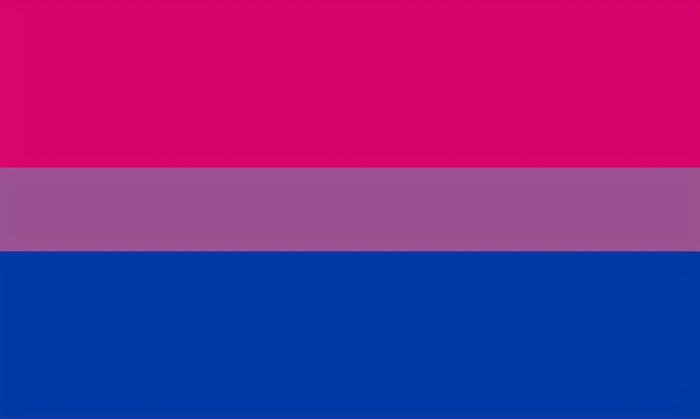
No bi-standers: How to be a true bi+ ally
September 24, 2024To mark Bi Visibility Awareness Week, Maya Whatton, Senior Digital Marketing Executive, shares her experiences and outlines some top tips to being an active bi+ ally.
When
I came out to someone close to me earlier this year, the response wasn’t what I
had hoped for but was more or less what I expected. I assumed they probably
already knew I was bi - after all, I regularly share bisexuality awareness
content on social media, I have a print of two witches kissing hanging
prominently in my home, and I often dress in a way I’d probably describe as
soft-masc (or as one family member calls it, “Billie Eilish”). Despite these
clues, the reaction I received on coming out was anger. Not anger that I was
bisexual necessarily, but anger that I hadn’t told them sooner: “Why didn’t you
say anything? I’ve always been so liberal!”
This
response highlights a common misconception: that simply being supportive in
principle is enough. While good intentions are a positive first step, real
allyship requires effort. Biphobia and bi-erasure often show up in insidious,
pervasive ways, and are frequently unintentional. To counter this, allies need
to work to actively unlearn ingrained biases and challenge stereotypes that
harm bisexual individuals.
Bi+
people are, in fact, significantly less likely to be out to friends and family
compared to their gay or lesbian peers. A
Stonewall study from 2020 found only 20% of bisexual people
were out to their families, compared to 63% of gay or lesbian people.
Biphobia in plain sight
Since
coming out, I’ve faced invasive questions that straight people typically don’t
encounter. One person probed, “Is your attraction to women different from your
attraction to men? How is it different?” These questions felt intrusive,
reducing my bisexuality to something that needed to be dissected and justified.
Even
within the LGBTQ+ community, I’ve encountered scrutiny. Jokes about my choice
in partner being “too straight” made me feel as though I had to justify my
identity and my relationship. Why should my bisexuality be less valid just
because my partner happens to identify as male?
This
kind of biphobia and bi-erasure is everywhere, and yet too often flies under
the radar. Whether through an offhand comment or an unspoken assumption about
someone’s orientation, it frequently arises in subtle and underhand ways. It’s
so insidious that even I, as a bisexual person myself, have at times caught
myself making assumptions that perpetuate the very beliefs I want to dismantle.
It’s a reminder that passive acceptance is not enough - allyship demands
vigilance, active reflection and unlearning.
Being an effective ally to the bi+ community
So,
how can you be an active ally to the bi+ community and support bisexual
individuals in a meaningful way? Here's six things you can do:
1.
Educate yourself and others: Take time
to learn about the diverse experiences within the bi+ community. Understand
that bisexuality is not a phase and avoid harmful stereotypes that portray
bisexual people as greedy, promiscuous, or confused. Challenge these
misconceptions whenever you encounter them.
2.
Believe bi+ people: Bi+
identities are valid, and bisexual people present in many different ways. Trust
bisexual individuals when they share their experiences, and don’t demand that
they “prove” or explain their bisexuality.
3.
Don’t assume: Don't assume someone's
identity based on their current or past partner(s) or their experience.
Bisexuality doesn’t disappear just because they’re in a relationship, whether
it’s with someone of the same or a different gender. Take their lead on the
language they use to describe their relationships and identity.
4.
Use inclusive language: Don’t use
"gay" as a catch-all term for LGBTQ+ experiences as this erases bi+
identities. Educate yourself on bi-inclusive language to ensure you’re being
respectful and supportive in your conversations.
5.
Be accountable: Unlearning
biases takes time, patience and vigilance and there may be times where you slip
up. It happens - don’t panic, apologise, correct yourself and move on
gracefully.
6.
Listen and amplify bi+ voices: Sometimes,
the best thing an ally can do is listen. Bisexual individuals often face unique
challenges, including invisibility and erasure from both straight and queer
communities. Give them space to share their stories and use your platform to
amplify their voices.
Final thoughts
Bisexuality
inherently challenges the rigid, binary ideas about love and attraction that
many of us are taught, and true allyship requires ongoing self-examination and
reflection to unlearn these assumptions. The reality is that bisexuality exists
on a broad and diverse spectrum. There is no single “right” way to be bi+, and
bisexual people don’t have to look, act, or present themselves in any
particular way to be valid.
Bisexuality
is as fluid and multifaceted as the people who identify with it, and each
experience within the bi+ community is unique. If identifying as bisexual feels
right to you, then you absolutely belong - no matter what others might say or
assume.
Happy Bi Visibility Day!