
Non-Binary isn't new: a short history of Non-Binary cultures
April 30, 2025In contemporary discussions about gender identity, the identity "non-binary" has gained significant attention in recent years, particularly within the context of social justice and advocacy for LGBTQ+ rights. However, the concept of non-binary gender identities is not a recent conception at all. Rather, it is rooted in diverse cultural histories that span across continents and millennia.
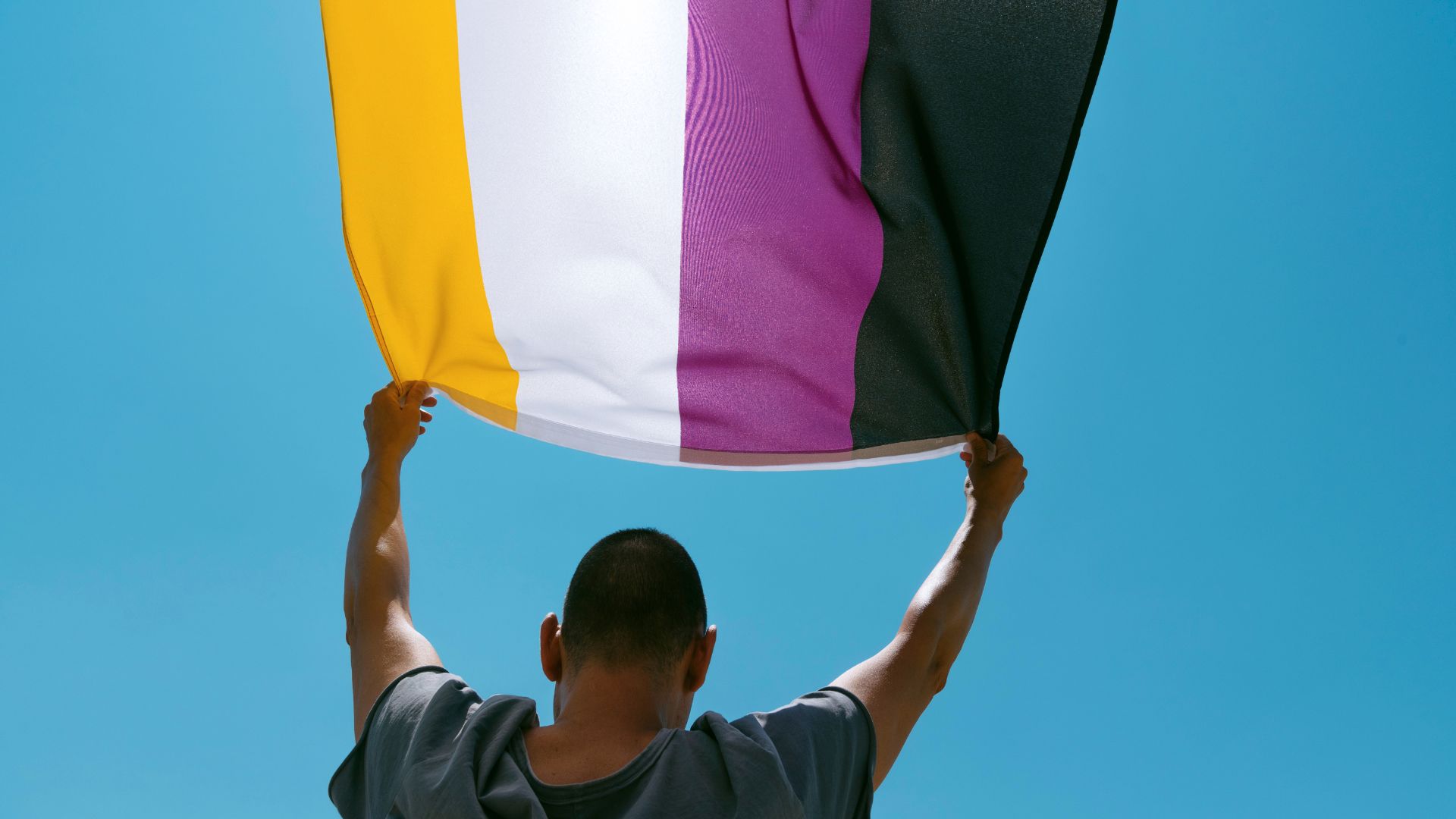
Many Indigenous cultures in North America recognize a concept known as "Two-Spirit." This term encapsulates various gender identities that exist beyond the male/female binary. Historically, Two-Spirit individuals were often celebrated for their unique blend of masculine and feminine qualities, playing vital roles within their tribes as spiritual leaders, healers, or warriors. Their presence and recognition highlight that non-binary identities have long been integral to the social fabric of these cultures, providing a perspective that has challenged the conventional understanding of gender for many centuries.
In South Asia, the Hijra community represents another significant aspect of non-binary identity. Hijras, who have a recorded history of hundreds of years, fulfil important religious and social functions, such as performing blessings at weddings and childbirths. Their identity transcends traditional gender norms, embodying a complex blend of male and female characteristics. The legal recognition of Hijras as a third gender in countries like India and Pakistan illustrates a historical acknowledgment of non-binary identities that predates modern discourse.
Even in ancient civilizations, there were expressions of non-binary identities. The ancient Greeks displayed a more fluid understanding of gender, celebrating figures like Hermaphroditus, who embodied both male and female traits. Similarly, in ancient Rome, individuals known as "femini" often adopted gender identities that did not conform strictly to societal norms of the time. These examples continue to suggest that the existence of non-binary identities has been part of human experience for millennia.
In Indonesia, the Bugis people recognize five genders, including a non-binary category known as "bissu." Those who identify as bissu are traditionally viewed as spiritual intermediaries, reinforcing the idea that gender can be fluid and multifaceted. This understanding is echoed across cultures worldwide, illustrating that these identities are deeply intertwined with diverse cultural heritages.
The visibility of non-binary individuals today is often perceived as a contemporary development, driven by social movements and a growing awareness of gender diversity. However, this visibility represents a reclamation of age-old identities that have often been marginalized or erased. Many non-binary activists draw inspiration from their ancestral legacies, advocating for a renewed understanding and acceptance of non-binary and gender-expansive identities.
The rather conservative belief that non-binary identities are a recent trend only and have no historical basis is proven false by the sheer spectrum of non-binary identities throughout history. From the Two-Spirit individuals of Indigenous cultures to the Hijras of South Asia, as well as figures from ancient civilizations and the Bugis people's recognition of diverse genders, these identities are not remotely new. They form a complex, beautiful expression of gender and humanity throughout history, awaiting acknowledgment and celebration in our understanding of identity today and into the future.