
Normalizing LGBTQ+ Conversations at Work
June 24, 2022In an interview with myGwork, Allied’s LaRissa O’Neal shared how her multi-faceted identity has fuelled her passion for diversity and inclusion.
When LaRissa O’Neal took on the role of Director of Learning and Development at Allied Electronics & Automation (part of Electrocomponents Plc, which RS Components also belongs to) for the Americas region a year and a half ago, she was also keen to drive diversity and inclusion and create more inclusive learning opportunities at the company.
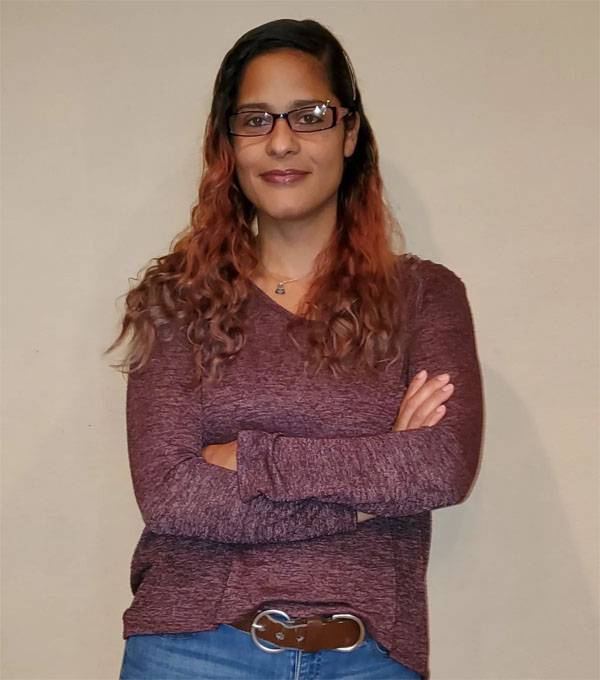
As a multi-racial, multi-ethnic female who openly identifies as bisexual and is passionate about LGBTQI inclusion matters, she joined several of the company’s employee resource groups (ERGs), including Spectrum (for LGBTQI), Embrace (for race) and Elevate (for gender equality). LaRissa describes herself as a pot of melting cultures thanks to her Irish, German and Pennsylvania Dutch ethnicities, and American Indian and African American blood running through her veins. Given her passion and commitment to diversity issues over the last eighteen months, she was asked by leadership to become co-chair of Spectrum just last year.
The diverse Midwestern, queer, Black professional from Springfield, Ohio, LaRissa has often been the “only” one in the room representing other marginalized communities at senior levels, which can be very challenging. She likens the situation to being the only alto in a choir: “The choir loves having me there and I love being a part of it. So it’s not about whether or not I feel accepted, or whether I’m in a space where I want to be, because I am. The choir needs me there, but as the only alto, I have to sing louder, clearer and more confidently to be heard and balance out the other voices. It’s a feeling of honor and pride to be that representative and lone voice. But it’s also so challenging and scary at times in case I hit the wrong note and mess up”.
LaRissa still finds herself taking a pause before raising certain issues, particularly around LGBTQ+ matters because it’s still a fringe diversity conversation in the workplace. “It’s still so in the shadows of the diversity conversation and it’s something that people are still really hesitant to talk about in the US”, she pointed out. “So I often have to question are my suggestions too controversial? Am I going to unnecessarily upset people? Is this going to have a negative repercussion?”
You can continue reading the full article on the DIVA website here.