
NYC’s Stonewall monument excludes trans flags this year, but activists are defying the ban
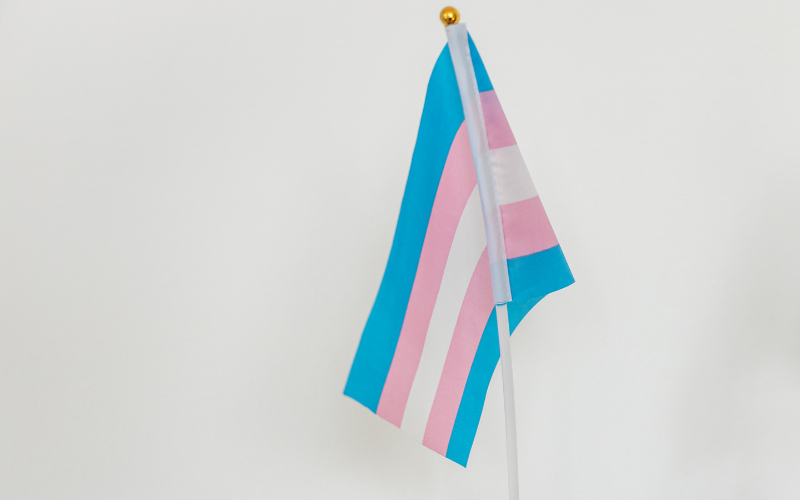
June 24, 2025For nine years, the trans flag was displayed among others at the Stonewall National Monument in Christopher Park during Pride Month. However, the National Park Service (NPS) has decided not to include the Transgender Pride flag or the Progress Pride flag this year, attributing the decision to a change in protocol.
This New York City monument, which honours the Stonewall Uprising of 1969, was the first U.S.A. National Monument dedicated to LGBTQ+ rights, designated in 2016 by then-President Barack Obama. Traditionally, the monument, located across from the Stonewall Inn, was decorated with various Pride flags, including the transgender flag, with funding from the NPS. This year, photographer, advocate, and installation creator Steven Love Mendez was informed by the NPS that the park would not permit the Trans or Progress Pride flags, according to ‘LGBTQ Nation’.
This restrictive decision follows the removal of all references to transgender and nonbinary individuals from the monument’s website by the Trump administration in February, as part of broader efforts to exclude these communities from federal references and resources. The exclusion of trans individuals from a monument recognising a trans person’s significant role has sparked widespread protest.
In an interview with CBS, Mendez said, “It’s a terrible action for them to take.” He added, “I used to be listed as an LGBTQ activist, and now it says ‘Steven Menendez, LGB activist’,” noting the removal of the Q and T.
The abbreviation “LGB,” which excludes trans individuals, is sometimes used by those opposed to transgender rights to create a divide between gay, lesbian, and bisexual people and trans individuals based on differing gender experiences.
Upon hearing about the erasure, many New Yorkers and tourists protested by placing unauthorized Pride flags at the monument, including smaller trans flags planted in the soil.
Jay Edinin from Queens, New York, was among those who brought a flag, stating to CBS, “I’m not going to stand by and watch us be erased from our own history, from our own communities, and from the visibility that we desperately need right now.”
Willa Kingsford from Portland, Oregon, expressed, “I think it’s absurd. I think it’s petty.”
Patty Carter from Los Angeles, California, commented, “It’s horrible. They’re changing all of our history.”
The Stonewall Riots, commemorated by the monument, began on June 28, 1969. At that time, law enforcement frequently raided queer bars as New York had laws against homosexuality and “cross-dressing.” During a raid at the Stonewall Inn, the LGBTQ+ community reached their breaking point and resisted the police. The ensuing six-day protest is considered the start of the LGBTQ+ rights movement, which is why Pride Month is celebrated in June.
Marsha P. Johnson and Sylvia Rivera, both trans women, were pivotal figures in the uprising. Johnson is believed to have ignited the riot by throwing a brick at a police officer, and Rivera is remembered for fighting back against the police, famously declaring, “I’m not missing a minute of this—it’s the revolution!”