
One third of people believe asexuality can be "cured", research suggests
February 11, 2025A new study investigating misconceptions about asexuality reveals that one-third of people think therapy can “cure” asexuality.
Asexual individuals experience little or no sexual attraction to others, with the 2021 Census indicating about 28,000 people identifying as asexual in England and Wales.
Research conducted by King’s College London explored the misunderstandings surrounding asexuality and discovered that many asexual individuals encounter ignorance or intolerance regarding their orientation, ‘Independent’ reports.
In a snapshot study involving 400 participants, 31% believed asexuality could be cured through therapy. Additionally, 26% claimed asexual people just haven’t met the right person, while 11% doubted the existence of asexual individuals.
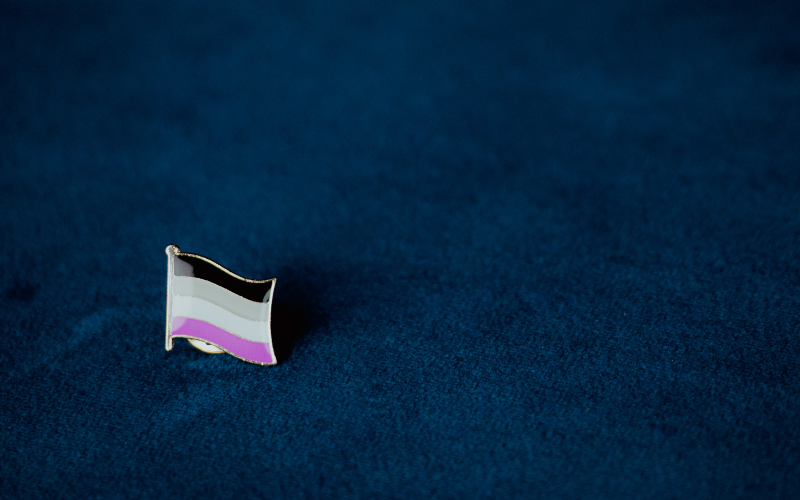
Image Credit: Canva
Yasmin Benoit, an asexual activist and model who co-authored the study, remarked that these findings weren't surprising as she frequently encounters such views. She stated, “It’s kind of like a rite of passage. I’ve been hearing things like this since I was 14, and now sometimes 300 times a month or so on social media. A lot of people don’t know what asexuality is and we still have the issue of medicalisation to deal with. You hopefully wouldn’t say to a gay person that their sexuality must be a side effect of trauma, or a medical condition, but people will happily say that to asexual people.”
Ms. Benoit, who discovered her asexuality in her early teens, shared that when she first mentioned it, people didn’t believe her, asserting, “People just said immediately, no you’re not. People didn’t believe it was a thing, and they didn’t see it for me in particular.” She advocated for including asexuality in sex education in schools to provide young people with information in a supportive setting, rather than leaving it to online searches.
Michael Sanders, a professor of public policy at King’s College London, highlighted, “The findings are troubling, both in that many people hold misconceptions about asexuality, and that they are happy voicing discriminatory views - at a greater rate than for other groups.”
The survey also reported that 40% of people thought asexual individuals couldn’t be asexual if they engaged in sexual activity. Similarly, between 20% and 25% considered asexuality a mental health issue.
Study authors noted that although society generally accepts asexual individuals, it is concerning that “as many as one in four interactions are with people who believe that their sexual orientation is a mental illness, or something that can be cured.”
Unlike other sexual orientations, asexuality is not recognised under the UK Equality Act 2010, which means it isn’t protected under hate crime legislation.
The research further indicated that those identifying as asexual have lower wellbeing levels compared to others.