
Out-dated Public Attitudes Toward HIV Thwarting Efforts to Tackle HIV Stigma, Says Charity
July 25, 2022Out-dated information about HIV is thwarting efforts to tackle the stigma still surrounding HIV, according to brand new research, which shows that public attitudes towards HIV are still stuck in the eighties.
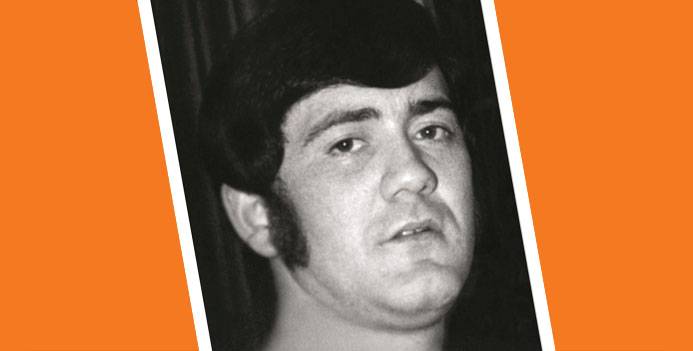
Data released to mark 40 years since Terrence Higgins’ death – the UK’s first named person to die of an AIDS-related illness on July 4, 1982 – shows that too many people still believe what they were told in the 1980s about HIV. These findings have been released by brand new research carried out by Terrence Higgins Trust, the charity established in Terry’s name to save lives during the darkest days of the epidemic, to mark 40 years since the Welshman’s death (pictured below).
Many still remember the UK government’s AIDS awareness advert from 1987 – with actor John Hurt’s haunting lines to a backdrop of falling tombstones, which continues to cast a damaging shadow over the public’s perception of HIV. The data from YouGov polling of over 2,000 Brits shows that 48% still remember that infamous tombstone campaign, with that rising to 76% in 45-54 year olds and 70% in those aged 55 and over.
The 1987 advert stated: "It is a deadly disease and there’s no known cure. The virus can be passed during sexual intercourse with an infected person. If you ignore AIDS, it could be the death of you." Although that was accurate at the time and undoubtedly saved countless lives, today’s realities of HIV transmission are very different. Incredible progress in HIV medication means you can live a long, healthy life with HIV and 97% of those diagnosed and on treatment in the UK are virally suppressed and can’t pass on HIV.
Those old adverts end by saying "don’t die of ignorance," but now we’re fighting a different kind of ignorance – "an ignorance to all the incredible progress that’s been made. The previously life-saving information in that advert is now completely out of date,” shared Terrence Higgins Trust Chief Executive, Ian Green. "We’re very proud of Terry Higgins and all we’ve achieved in his name, but the best way to celebrate 40 years since his untimely death is to engage as many people as possible in all the progress that’s been made since; including that someone living with HIV and on effective treatment can’t pass the virus on to their partners.”

Just 38% of Brits know that people living with HIV and on effective treatment can’t pass this virus on to partners, with older people far less likely to believe how much progress has been made that means people living with HIV can expect a normal lifespan. Additionally, only 7% of those aged 18-24 are aware of the tombstone ads and almost half of that same age group know that people living with HIV and on effective treatment can’t pass it on. This suggests that relearning the facts about HIV is harder than coming fresh to all the progress that’s been made.
“This is an important moment to remember Terry and celebrate all that’s been achieved in the last four decades. But it’s horrifying to see the stigma that still remains all these years on,” added Green. “I’ve been living with HIV for over 25 years and there’s no risk in hugging or kissing me. I know that the treatment I take means I can’t pass on HIV and my husband knows that too. I just wish the general public was more up to date on how much HIV has changed since the 1980s.
The UK is now targeting the end of new HIV cases by 2030. But this new data shows that outdated information is thwarting efforts.
“We started the Trust almost by accident because no one else was providing the information our community needed to protect themselves against this new virus which had killed Terry. I’m very proud of all that’s been achieved since in Terry’s name to empower, educate and ultimately save lives,” stated Martyn Butler OBE, Co-founder of Terrence Higgins Trust. “I hope that this anniversary galvanises everyone to push through any complacency around HIV and do the work required to end new cases by 2030. What a legacy that would be for Terry.”
Adding to his comments, Terrence Higgins Trust’s Director of Equity, Diversity, and Inclusion, Glenda Bonde, said: “An HIV diagnosis has changed since the darkest day of the epidemic in the UK thanks to effective treatment to ensure a long, healthy life. But equally those impacted has changed too with older people most likely to be diagnosed at a late stage and Black people of African heritage one of the most disproportionally impacted in the UK alongside gay and bisexual men.”
The HIV epidemic continues to be “exacerbated by socio-economic inequalities with already marginalized communities bearing the burden. Tackling stigma and reshaping the narrative around HIV is absolutely crucial to ending the epidemic and ensuring people living with HIV can thrive – and we all have a part to play in that,” concluded Bonde.
Keep up to date with the latest myGnews