
Pay Transparency: 7% Wage Gap Cut for LGBTQ+ Workers
March 3, 2026Companies with transparent pay reduce wage gaps by 7% within two years, a benefit directly impacting LGBTQ+ professionals who face persistent pay inequities. Without access to salary information, you lose negotiation power and remain vulnerable to hidden bias. This guide breaks down pay transparency definitions, real impacts on wage gaps, common myths, evaluation frameworks, and proven negotiation strategies to help you advocate for equitable pay in 2026.

Key Takeaways
Introduction to Pay Transparency
Pay transparency means making salary information accessible to employees in some form. It removes the secrecy around compensation, allowing you to understand how your pay compares to colleagues and market standards. This shift challenges traditional workplace norms where discussing money was taboo.
Three main types dominate the landscape. Individual exact salary disclosure reveals what each person earns, providing complete clarity but raising privacy concerns. Salary range disclosure publishes minimum and maximum pay for each role without naming individuals. Formulaic transparency explains the calculations and criteria used to determine pay, giving you insight into how decisions get made.
Transparency enables fair comparisons and reduces covert pay inequities that thrive in secrecy. For LGBTQ+ professionals, this matters enormously. Hidden pay practices can mask discrimination based on identity, making it impossible to challenge unfair treatment. When you know what fair pay looks like in your role and industry, you gain power to advocate for yourself.
The movement toward transparency is accelerating. More than 20 U.S. states and cities now mandate some form of pay range disclosure in job postings. This legal momentum reflects growing recognition that secrecy perpetuates inequality. Understanding these transparency types helps you evaluate your workplace and push for changes that protect your interests.
How Pay Transparency Affects Wage Gaps for LGBTQ+ Professionals
Organizations with pay transparency reduce gender and racial wage gaps by an average of 7% within two years, according to rigorous economic research. This reduction happens because transparency exposes unjustified disparities that managers must then address. When everyone can see the numbers, bias becomes harder to hide.
Lack of salary information undermines your negotiation power significantly. Studies show confidentiality around pay lowers negotiation confidence by approximately 8%, leading to pay deficits that compound over your career. LGBTQ+ professionals already face unique workplace challenges, and information asymmetry makes these worse. You cannot negotiate effectively when you do not know what others earn for comparable work.
Transparency improves workplace trust and perceptions of fairness. When compensation processes are visible, you feel more confident that decisions follow objective criteria rather than managerial favoritism or bias. This psychological shift matters for marginalized groups who have good reason to question whether they receive equal treatment. Seeing clear salary structures reassures you that your employer values equity.

Clear salary information enables you to identify and challenge pay disparities tied to identity. If you discover colleagues in similar roles earning more without justification, you have evidence to support a pay adjustment request. Without transparency, these gaps remain invisible and uncorrected. The data shows this visibility drives meaningful change, not just awareness.
Key Impact: Pay transparency cuts wage gaps by 7% within two years by exposing unjustified disparities and empowering professionals to advocate based on evidence.
For LGBTQ+ professionals navigating workplaces where discrimination may be subtle, transparency provides concrete tools to ensure fair treatment. You move from guessing whether bias affects your pay to knowing what equitable compensation looks like.
Common Misconceptions About Pay Transparency
Myth: Transparency causes conflict and jealousy among employees. Truth: When communicated clearly with context about how pay decisions get made, transparency actually increases trust. Conflict arises from perceived unfairness, not from information itself. Employees appreciate understanding why pay differences exist when legitimate reasons like experience or performance explain them.
Myth: Transparency leads to constant raise demands and unsustainable costs. Truth: Clear pay structures reduce disputes by aligning compensation with objective criteria. When you understand the formula behind pay decisions, requests become more strategic and justified. Organizations report fewer grievances, not more, because transparency eliminates confusion and arbitrary treatment.
Myth: Transparency alone fixes pay equity. Truth: Transparency is a powerful tool, but it requires supportive culture and policy changes to be effective. Simply publishing salary ranges without addressing underlying bias or flawed evaluation systems will not close gaps. You need leadership commitment to review and correct inequities that transparency reveals.
Pro Tip: Frame your transparency advocacy with evidence and focus on fairness benefits to reduce employer resistance. Reference the 7% wage gap reduction data and emphasize how transparency improves retention and trust rather than leading with accusations of inequity.
Understanding these misconceptions empowers you to advocate strategically. When managers express concerns about transparency, you can address them with facts rather than retreating. The evidence shows transparency works when implemented thoughtfully, and you can help your organization see this.
Many employers fear transparency because they assume it will expose problems without offering solutions. Show them that transparency actually creates accountability that drives positive change. LGBTQ+ professionals benefit most when you can confidently counter resistance with data and clear reasoning.
Frameworks for Evaluating and Advocating Pay Transparency Policies
Three main transparency models offer different tradeoffs between privacy, clarity, and equity. Exact salary disclosure provides complete information but may make some employees uncomfortable with full visibility. Pay range disclosure balances transparency with privacy by showing what roles pay without identifying individuals. Formulaic transparency explains how pay gets calculated, giving you insight into decision criteria without revealing specific numbers.
Over 20 U.S. states and cities mandate pay range disclosure in job postings as of 2026, increasing transparency prevalence. This legal momentum means you likely have some right to salary information, especially during hiring. Familiarize yourself with your location’s requirements to understand what employers must share.
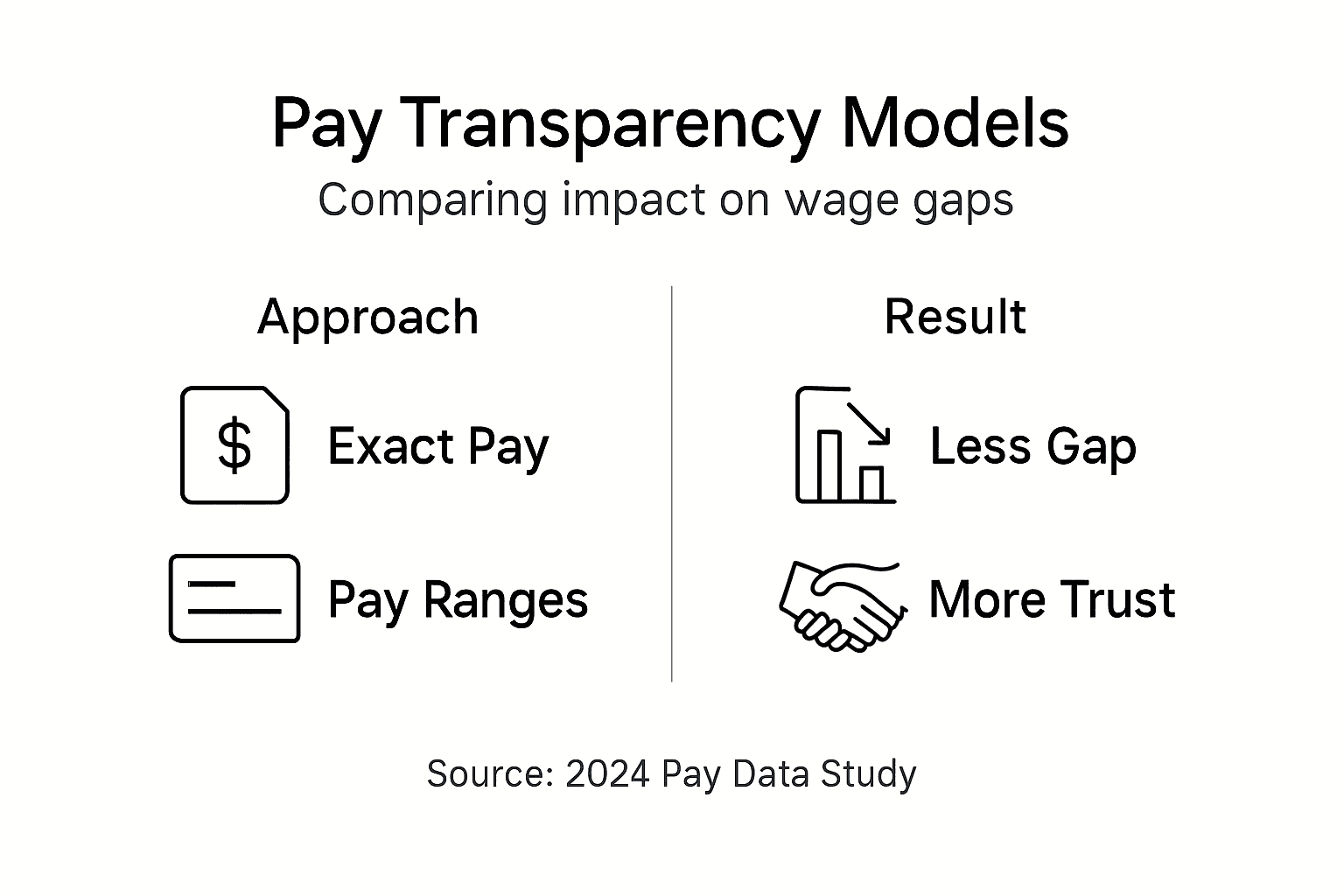
Advocacy guidance: Align your transparency requests with legal frameworks and organizational culture for better outcomes. If your state mandates range disclosure, reference this requirement when asking for information. If your workplace values data and metrics, emphasize how transparency improves pay equity measurement and accountability.
Pro Tip: Use the Pay Transparency Framework table above to identify which model fits best with your workplace context. Present this analysis when advocating for policy changes to show you have thought through implementation carefully.
Evaluate your current workplace against these models. Does your employer share any salary information? If ranges are published, are they narrow enough to be useful or so wide they provide little guidance? Understanding where your organization stands helps you push for meaningful improvements rather than vague commitments to transparency.
Practical Salary Negotiation Strategies for LGBTQ+ Professionals Using Pay Transparency
Leverage pay transparency data systematically during negotiations to secure fair compensation. Start by researching what information your employer publishes. Many organizations now share pay ranges in job postings or employee handbooks. If your company provides formulaic transparency, study the criteria to understand how your qualifications map to pay levels.
- Research your company’s transparency policy and local legal requirements before negotiations begin. Know what information you can request and what employers must provide.
- Gather market data from salary surveys and industry reports to establish external benchmarks. Combine this with internal transparency data for a complete picture.
- Document your qualifications, achievements, and experience that justify higher pay within published ranges. Prepare specific examples showing how you meet or exceed criteria.
- Frame your request around equity and documented pay standards rather than personal need or emotion. Reference the published range or formula and show where you fit.
- Avoid disclosing your current or past salary early in discussions. Use available transparency data to anchor negotiations instead of your personal history.
- If initial offers fall below range midpoints, ask for clear explanation of the rationale. Request specific steps to reach higher pay levels.
Data shows professionals using transparency information can gain 5 to 10 percent higher salaries compared to those negotiating without data. This advantage comes from anchoring discussions around objective standards rather than subjective assessments. You shift the conversation from “What will you accept?” to “What does fair pay look like based on our shared information?”
Pro Tip: Prepare by researching your company’s transparency policy and local legal requirements to strengthen your case. Walk into negotiations knowing exactly what data you can reference and what questions employers must answer.
Focus on equity throughout negotiations. Position yourself as seeking fair treatment consistent with organizational standards, not special favors. This framing reduces defensiveness and aligns your interests with stated company values around inclusion and diversity. LGBTQ+ professionals benefit from grounding requests in transparent, objective data that makes bias harder to justify.
Real-World Examples of Effective Pay Transparency
Buffer, a social media management company, implemented full salary transparency by publishing every employee’s exact compensation publicly. This radical approach led to a 15 percent increase in employee retention and stronger trust, including among LGBTQ+ staff who appreciated the commitment to equity. Employees reported feeling more confident that pay decisions followed objective criteria rather than bias or favoritism.
Multiple industries are adopting transparency models with measurable benefits. Tech companies increasingly publish pay ranges for all roles, while nonprofits often share salary bands tied to clear job levels. Healthcare organizations use formulaic transparency to explain how certifications and experience translate to pay. These varied approaches show transparency works across sectors when implemented thoughtfully.
Employees in transparent organizations report greater job satisfaction and perceived fairness. Surveys consistently show that knowing how pay decisions get made reduces anxiety and increases engagement. For LGBTQ+ professionals, this psychological benefit is significant. You spend less energy worrying about hidden discrimination and more energy focused on performance and career growth.
These examples provide practical proof that pay transparency drives measurable workplace improvements. The benefits extend beyond wage gap reduction to include retention, trust, and satisfaction. When considering whether to advocate for transparency in your workplace, remember these success stories. Organizations that embrace openness around pay create better environments for everyone, especially those from marginalized communities who face the highest risks from secrecy.
Explore Tools and Resources to Advocate for Fair Pay
Now that you understand pay transparency’s power to reduce wage gaps and boost negotiation outcomes, take the next step. MyGwork platform offers resources specifically designed to support LGBTQ+ professionals in navigating workplace equity challenges.
Connect with peers who share your commitment to fair compensation and workplace inclusion. Access mentoring from experienced professionals who have successfully advocated for pay transparency in their organizations. Find data on employer transparency policies to make informed career decisions. MyGwork provides the community support and practical tools you need to apply the strategies covered in this guide. Build your negotiation skills through peer learning and advocate with the confidence that comes from shared knowledge and experience.
Frequently Asked Questions About Pay Transparency
What is the main benefit of pay transparency for LGBTQ+ professionals?
Pay transparency reduces wage gaps by approximately 7% within two years by exposing unjustified disparities. It gives you concrete data to identify bias and advocate for fair compensation based on objective standards rather than subjective assessments.
How can I find out if my employer has a pay transparency policy?
Check your employee handbook, company intranet, or HR portal for published pay ranges or compensation philosophy statements. You can also ask your HR representative directly what salary information the organization shares with employees.
What laws affect pay transparency in the U.S.?
More than 20 states and cities mandate pay range disclosure in job postings as of 2026, including California, New York, Colorado, and Washington. These laws typically require employers to share salary ranges when advertising positions, giving job seekers critical negotiation information.
How can I advocate for pay transparency without risking backlash?
Frame requests around business benefits like improved retention and trust rather than accusations of inequity. Reference data showing transparency reduces wage gaps by 7% and emphasize alignment with diversity and inclusion goals your employer has already stated.
Is it safe to share my salary with coworkers?
In the U.S., discussing your salary with coworkers is legally protected under the National Labor Relations Act. Employers cannot punish you for these conversations, though you should consider your workplace culture and use discretion about how and when you share information.