Peru's Queer People Have A Bigger Priority Than LGBTQ+ Rights
February 1, 2023When Gad Yola, the 26-year-old Peruvian drag queen, hit the red carpet on December 20 she wanted to make a statement. Nearly 6,000 miles away from her home, Yola was far from the political crisis unfolding across Peru. So on her white dress, she bedazzled the words “25 Peruvians killed by the state” – a reference to the number of people who had died since protests erupted across the Andean nation.
Her dress quickly went viral and she received both messages of support and hate from Peruvians around the world. This just one example of how LGBTQ+ Peruvians are making their voices heard in a political crisis that has lasted for nearly two months.
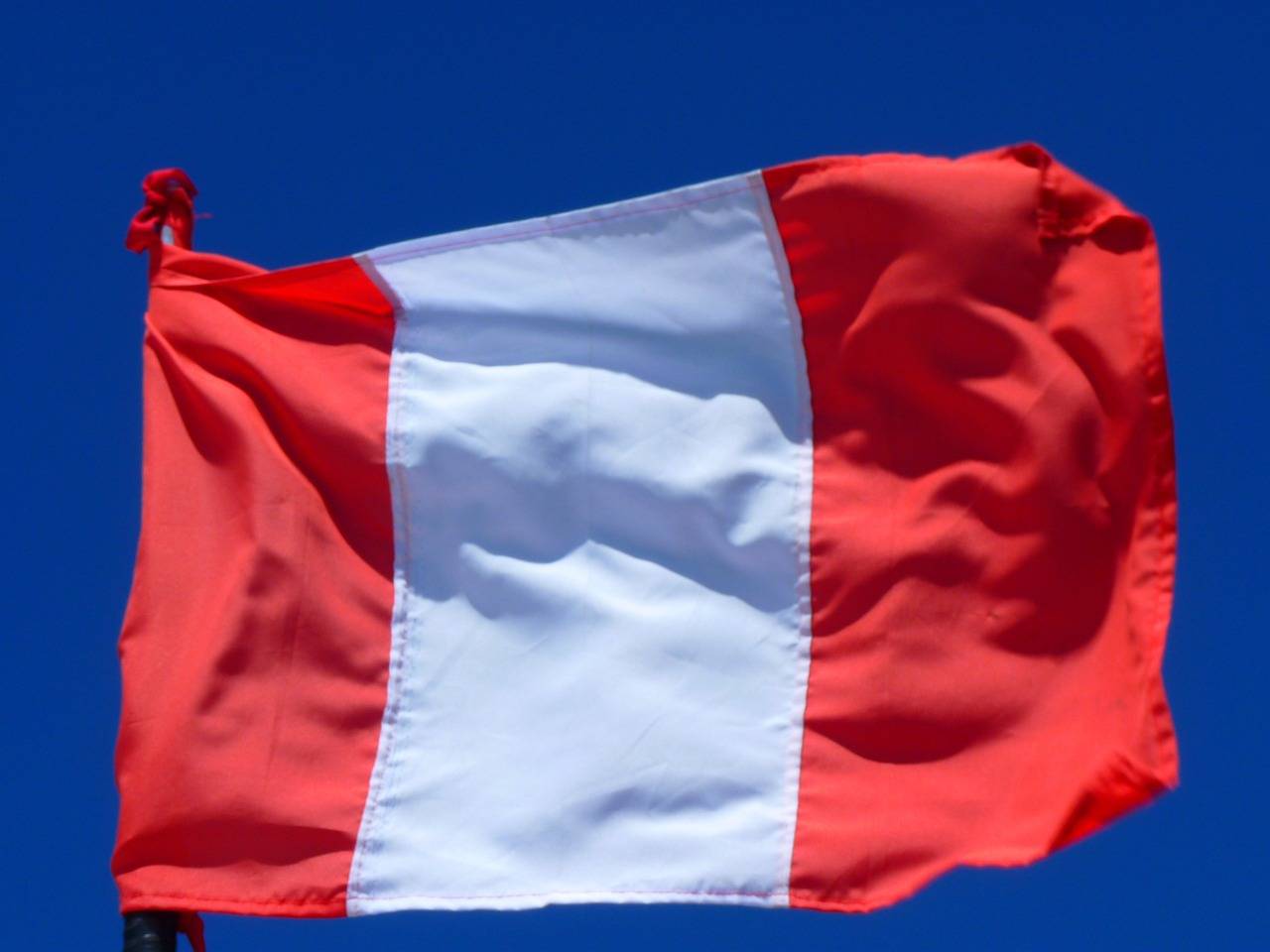 Image Credit: Pixabay
On December 7, 2022, former President Pedro Castillo, who was facing a vote for his impeachment, attempted a “self-coup” in a complete power grab. With trembling hands, the embattled president announced to the nation that he was unilaterally dissolving Congress and would rule the country by decree.
More than 20 years ago, former Peruvian President Alberto Fujimori successfully pulled off this political machination and remained in power for another eight years. Fujimori, though, had the backing of the National Police of Peru and the Peruvian Armed Forces before he made this risky move; neither institution backed Castillo.
Shortly after the announcement, ministers in his cabinet resigned, members of his political party, Peru Libre, denounced him, and Vice President Dina Boluarte condemned the move. A couple of hours later, Congress successfully voted to impeach Castillo. Castillo was arrested and brought to a detention facility when he tried to seek asylum in the Mexican embassy; he currently remains in pre-trial detention.
Later that day, Boluarte was sworn in as President, and many members of Congress celebrated the ouster of an opponent they sparred with for the entire duration of his presidency.
But then, on December 8, just one day after Castillo’s arrest, protests began to sprout around the country.
Castillo was Peru’s 5th president in five years. He was also the first president to be of a peasant and indigenous background. His ouster, and Boluarte’s subsequent rightward shift, was taken as a sign by the historically marginalized groups of Peru that the country’s democracy is not an institution that works for them. Many believe Castillo was a victim of a conservative Congress hellbent on preventing an indigenous person from ruling effectively.
In cities and towns all over Peru, protesters began marching to demand change. Their demands included President Boluarte’s resignation, a constituent assembly to draft a new constitution, earlier elections, and for some, the liberation of Castillo.
Protesters have set up roadblocks and taken over airports. And in one case, a politician’s home was set on fire. Meanwhile, police have killed 46 people, some of whom were medics and bystanders, and injured dozens of others. One police officer was also killed due to the unrest, and at least ten people died in ambulances after being unable to reach hospitals due to blockades.
In addition to the anti-establishment protests, there have also been marches billed as “Marcha Por La Paz” or “March for the Peace.” These peace marches are right-wing and pro-police. And due to the march’s collaboration with the police, they have often inflamed tensions between the two sides.
Despite the assumption that LGBTQ+ rights are a left-wing cause, supporters and queer Peruvians are spread across the political spectrum. The political crisis has divided members of the queer community about how to resolve an increasingly intractable conflict.
Promsex, one of Peru’s most prominent LGBTQ+ and intersex rights groups, addressed the new president in a statement on Twitter. “We demand that the Executive Branch guarantee the safety of all people, including that of law enforcement personnel, and that there be no more deaths in the democratic and legitimate exercise of the right to protest.”
However, since that statement was released, the violence has escalated. So has the intensity of statements from left-wing LGBTQ+ groups. On January 21, the Lima Pride March Collective released a statement calling for new elections. “As LGBTI people, we demand a prompt democratic exit [from this crisis] through the advancement of elections in the shortest term possible,” the statement said.
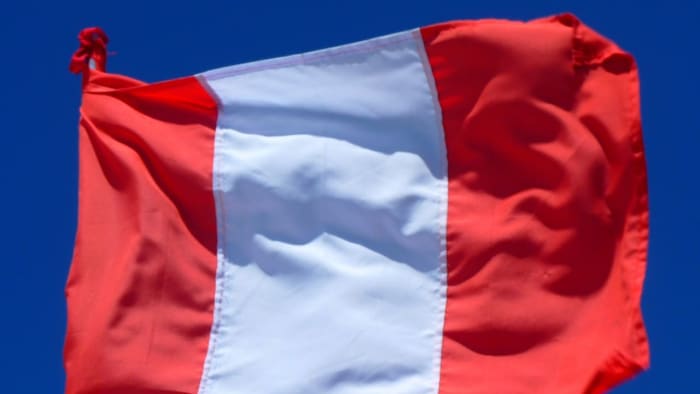
The Collective changed their name on Twitter to #NuevasEleccionesYa (new elections now), accompanied by the Peruvian and pride flags.
Jorge Apolaya, a spokesperson for the group, spoke to LGBTQ Nation about why he supports the marches.
“[LGBTQ+] organizers have the responsibility to speak out and denounce what is contrary to democracy and therefore to the rights of LGBT people,” he said. “The government of the current president Dina Boluarte has become repressive and violent in the face of legitimate protests in the country. We cannot allow more deaths, and that is why there is a social consensus in the request for the resignation of the current president.”
The consensus does not extend to all LGBTQ+ Peruvians. La Liga Libertad, a classically liberal group founded by LGBTQ+ people, has called the protesters’ demands, including the demand for Boluarte to resign, “anti-democratic.” They have described protesters’ attempts to take over national airports as “terrorism,” echoing Boluarte’s characterization of the ongoing unrest.
It is not only left-wing LGBTQ+ groups who favor Boluarte’s resignation. Acción Popular (Popular Action) is a centrist political party. One of its members, queer activist Manuel Siccha, said: “Currently, the position [of the Party] is to request the resignation of President Dina Boluarte based on her lack of legitimacy to govern,” Siccha said. “You cannot govern without social legitimacy and she alone has been losing legitimacy little by little with the decisions she has made from actions which are dehumanizing and authoritarian.”
Siccha also said that he believes the Boluarte administration does not have the capacity to respond to the urgent political needs and the agendas of vulnerable populations, including LGBTQ+ populations.
The division among the queer community is also visible among Peru’s two out members of Congress. Although both voted for Castillo’s impeachment in December, they diverge significantly in how they approach the conflict.
Susel Paredes is the first out lesbian to win a congressional election in Peru. A progressive member of Congress, she voted against giving Boluarte’s cabinet a vote of confidence two weeks ago due to the more than 50 deaths which have occurred since protests first broke out.
Alejandro Cavero, a conservative congressman from the Avanza Pais political party, has said he is “LGBT and proudly of the right.” While Cavero said he understands the “frustration and indignation of the South,” he also praised police reactions to the violent protests.
Other LGBTQ+ Peruvians expressed a similar sentiment to Cavero.
“It’s definitely a midway support,” said Vero Mourou when asked if she supports the protests. Mourou is a drag artist from Iquitos, the largest city in the Peruvian Amazon. Like Cavero, she is sympathetic to the plight of the poor and indigenous Peruvians protesting. However, she blames the “communist left” for taking advantage of the situation.
“[The left] has caused innocent people to die like a cannonball for their own political interests, such as the constituent assembly. They use their pain and suffering for political purposes. I am against any act of violence disguised as protest… we cannot allow anarchy in Peru.”
Yola acknowledges that some on the left are homophobic and transphobic, including the former president. However, she believes that certain struggles must come before LGBTQ+ rights. “Dina Boluarte has committed crimes against humanity, has murdered in the name of a false democracy that does not represent the inhabitants of the country, both in the provinces and in the capital,” she said.
“Many gay people […] do not see beyond the privileged reality of Lima, because they do not see that before being gay or lesbian, they are brown, descendants of indigenous people, of black people, that the agenda against the fight against poverty in the regions is, honestly, more relevant than same-sex marriage.”
One of the most conservative countries in South America, Peru does not have a stellar record on LGBTQ+ rights. Regardless of the outcome of this political crisis, the situation for queer and trans Peruvians is unlikely to change dramatically. However, as the nation struggles through nearly two months of unrest, LGBTQ+ Peruvians continue to make their voices heard and fight for their future.
Read related myGwork articles here:
Peru Has Been Found Responsible For Raping And Torturing Trans Woman
First Indigenous Trans Person Runs For Parliament In Peru
Keep up to date with the latest myGnews