
Petition filed with U.S Supreme Court to reconsider same-sex marriage decision
August 12, 2025The Supreme Court has been formally petitioned to revisit Obergefell v. Hodges, the landmark 2015 decision that established the right of same-sex couples to marry nationwide. The appeal, brought by former Kentucky clerk Kim Davis, who gained notoriety for refusing to issue marriage licenses to same-sex couples, raises concerns among LGBTQ+ advocates about the future of marriage equality in the United States.
ABC reports that Davis is appealing a lower court's decision that held her liable for emotional damages and legal fees totaling $360,000, after she denied a marriage license to a same-sex couple based on her religious beliefs. Her petition for a writ of certiorari argues that the First Amendment's protection of religious freedom shields her from personal liability for denying the license.
Furthermore, the petition asserts that the Obergefell decision was "egregiously wrong" and should be overturned. Davis's attorney, Mathew Staver, described Justice Anthony Kennedy's majority opinion in Obergefell as "legal fiction."
This marks the first time since the Obergefell ruling that the Supreme Court has been explicitly asked to overturn the decision. Davis is considered to have unique legal standing to challenge the precedent.
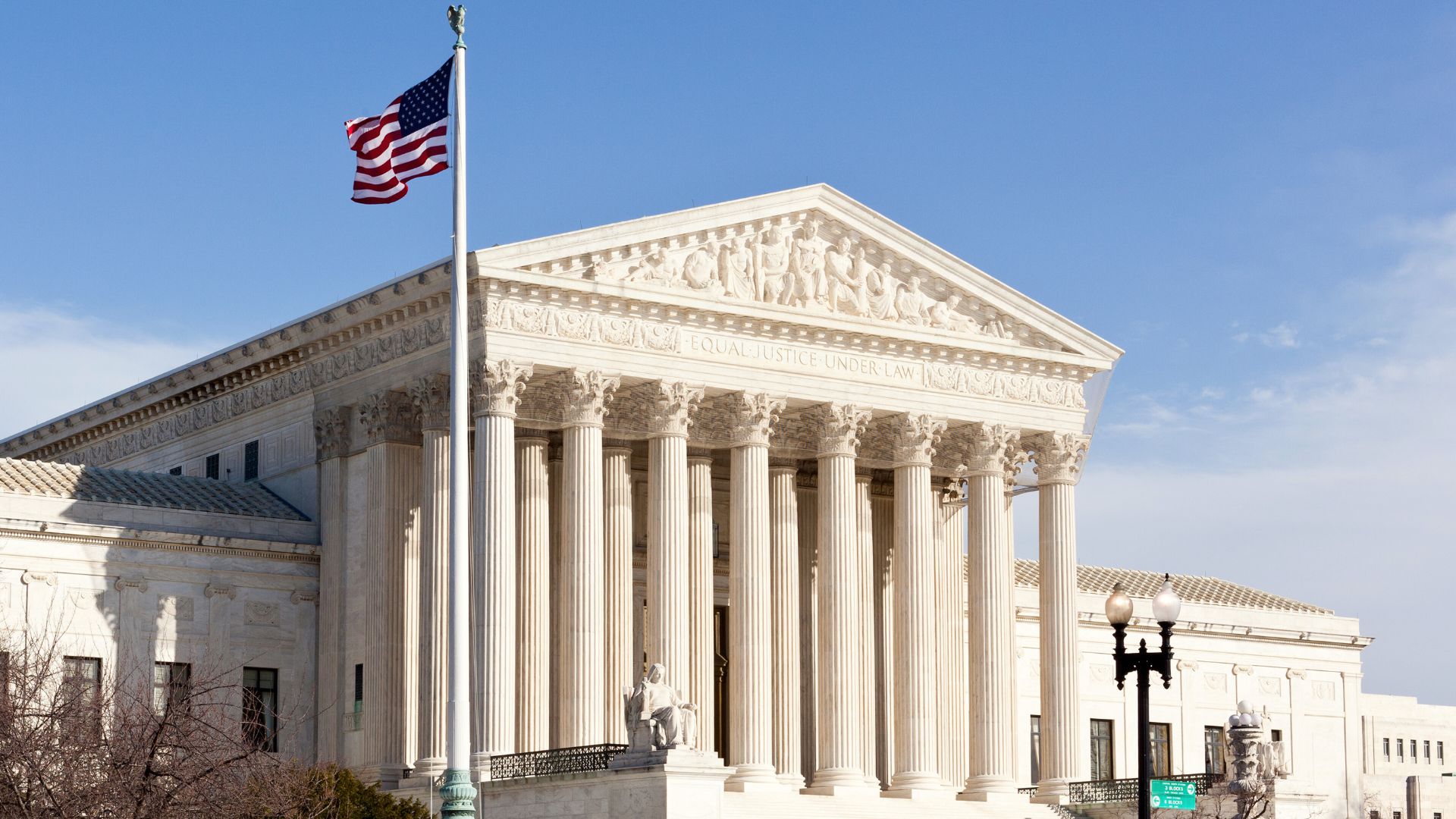
While lower courts have consistently rejected Davis's claims, conservative legal circles and religious organizations are actively campaigning to reverse the Obergefell decision and allow individual states to determine their own marriage policies.
At the time of the Obergefell decision, a majority of states had bans on same-sex marriage. So far in 2025, multiple states have introduced legislation aimed at restricting marriage rights for LGBTQ+ individuals or have passed resolutions urging the Supreme Court to overturn Obergefell.
The Southern Baptist Convention, a prominent Protestant denomination, recently declared the overturning of laws and court rulings, including Obergefell, that contradict their views on marriage as a top priority.
Recent polling data indicates a slight decline in support for marriage equality among Republicans, raising concerns about a potential shift in public opinion.
Davis's petition draws parallels between the issue of marriage and the court's 2022 decision to overturn Roe v. Wade, which eliminated the constitutional right to abortion. She highlights Justice Clarence Thomas's call to reconsider Obergefell and other substantive due process precedents.
Legal experts predict that the Supreme Court's conservative majority may be inclined to allow challenges to Obergefell to develop further in lower courts before revisiting the issue.
The Supreme Court is expected to consider Davis's petition this fall. If the court agrees to hear the case, oral arguments would likely be scheduled for next spring, with a decision expected by the end of June 2026. The court could also decline the case, allowing the lower court ruling to stand.
Even if the Obergefell decision were to be overturned, the Respect for Marriage Act, passed in 2022, would require the federal government and all states to recognize legal marriages of same-sex and interracial couples performed in any state.
LGBTQ+ advocates express concern about the evolving legal and political landscape surrounding marriage rights. There are currently hundreds of thousands of married same-sex couples in the United States, many of whom married after the Obergefell decision.