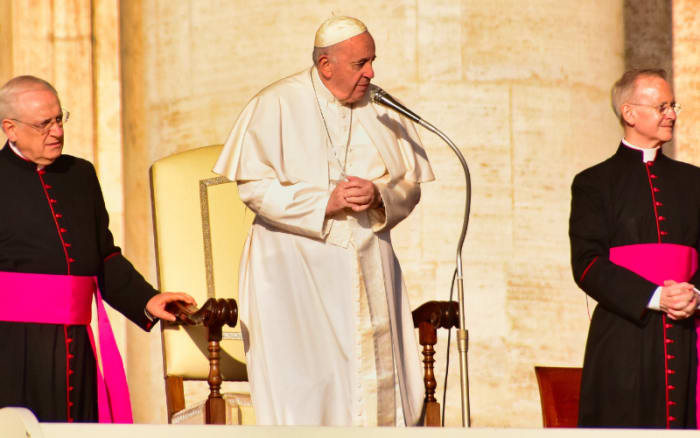
Pope Francis meets with trans, intersex Catholics at Vatican
October 16, 2024Pope Francis met with a group of trans and intersex Catholics, along with LGBTQ+ allies, at the Vatican on Sunday (13th October).
During this meeting, the participants shared their personal experiences, urging the pope to advocate for greater church acceptance and to reconsider its stance on gender-affirming care.
Sister Jeannine Gramick, a co-founder of New Ways Ministry, a U.S.A.-based Catholic organisation that supports LGBTQ+ individuals, organised the meeting, which was held at Casa Santa Marta, Francis's residence in Vatican City.
According to ‘Washington Blade’, the delegation included Nicole Santamaría, an intersex woman; Michael Sennett, a trans man; and Cynthia Herrick, a doctor who works at a gender medicine clinic. Over the span of more than an hour, they shared with Francis their battles with depression and suicide during their transition journeys, highlighting the positive effects of gender-affirming care.
Francis DeBernardo, Executive Director of New Ways Ministry, who was present at the meeting, mentioned that Pope Francis did not express much verbally but, holding his cross, appeared “sincerely pained” as he listened to their stories and “nodded vigorously when they talked about how positive medical transition was for them.”
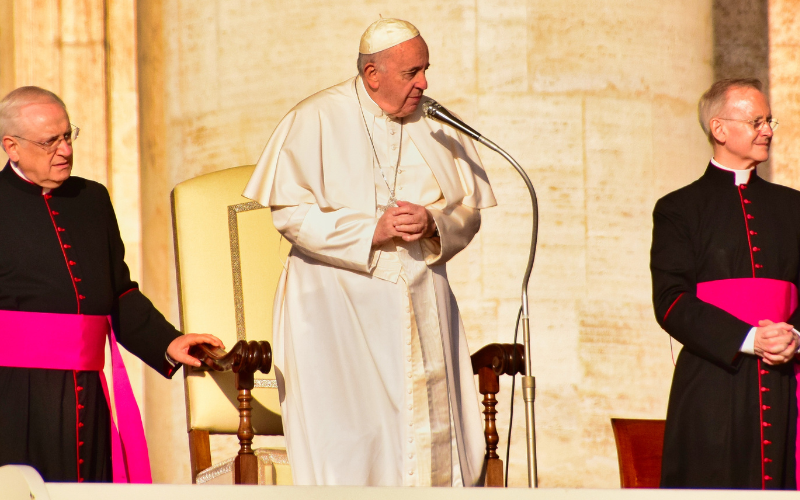
“He really thanked them. He was very grateful that he had this opportunity,” DeBernardo noted.
The meeting with trans and intersex individuals was prompted by the Vatican's release of the “Dignitas Infinata” declaration in April. While emphasising everyone's right to dignity and respect, the document condemned gender-affirming medical care as incompatible with human dignity.
Gramick, who had been in correspondence with the pope and had previously met him with New Ways Ministry members the previous year, was disappointed with the declaration and suggested he listen directly to trans and intersex Catholics about their experiences, to which he agreed.
DeBernardo stated, “Part of the problem is that the Vatican documents had not consulted transgender, intersex people, or any of the medical professionals who work with them. So we were encouraging the pope to consult with people more and to view people’s stories.”
Earlier this year, the individuals who attended the meeting shared their personal stories with a group of two dozen Catholic bishops in the U.S.A. as part of New Ways Ministry’s efforts to educate church leaders about LGBTQ+ experiences and advocate for full acceptance.
During the meeting, Gramick emphasised to Francis that other Vatican officials also need to hear the voices of LGBTQ+ individuals. DeBernardo mentioned that the pope fully agreed with this suggestion.
DeBernardo believes that by accepting the invitation to meet with the group and listening to the experiences of trans and intersex individuals, Pope Francis was intentionally setting an example for other church leaders to engage more deeply with the LGBTQ+ community.
The Catholic Church’s doctrine condemns same-sex sexual relations and rejects same-sex marriage. However, under Francis, the church has generally shifted to a more inclusive tone toward LGBTQ+ individuals. Last year, the Vatican reversed a 2015 total ban on trans people serving as godparents and allowed priests to bless same-sex couples, though not same-sex unions.
In August, two LGBTQ+ activists from Africa, Clare Byarugaba of Chapter Four Uganda and Rightify Ghana Director Ebenezer Peegah, met with Pope Francis.