
Rainbow crosswalk honoring Pulse nightclub victims removed by Florida
August 22, 2025A rainbow crosswalk in Orlando, Florida, dedicated to the memory of the 49 victims of the 2016 Pulse nightclub shooting, has been removed by the state's Department of Transportation (FDOT). The crosswalk served as a component of a larger memorial commemorating the lives lost in the tragic attack at the gay nightclub, which was, at the time, the deadliest mass shooting in U.S. history.
Orlando Mayor Buddy Dyer expressed his dismay, calling the removal a "cruel political act." He emphasized that the crosswalk not only enhanced pedestrian safety but also acted as a visual symbol of Orlando's dedication to honoring the victims.
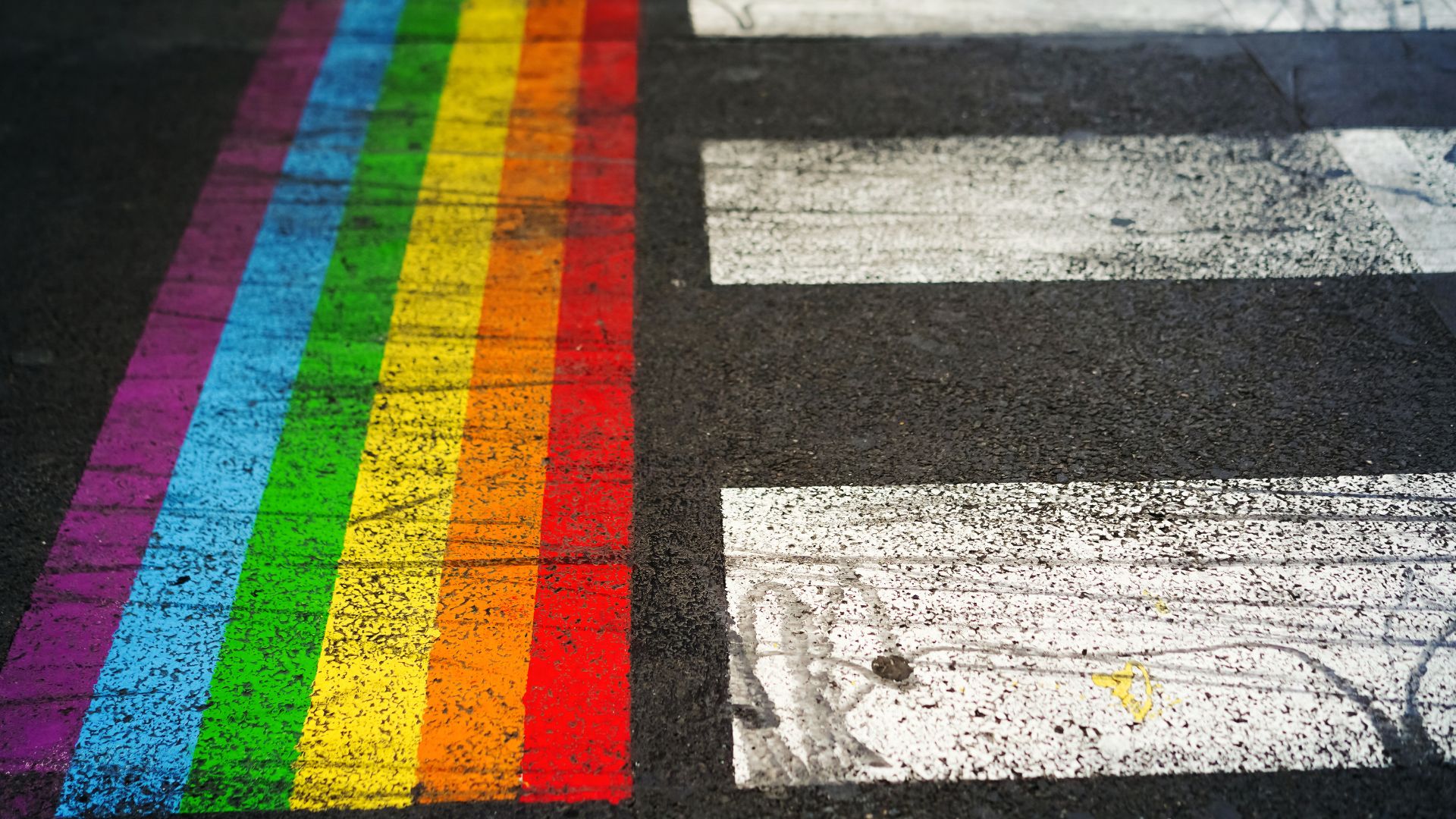
The BBC reports that State Senator Carlos Guillermo Smith, an openly gay legislator, condemned the FDOT's actions, accusing the department of "illegally vandalizing city property" without proper notification or approval from the city of Orlando.
Governor Ron DeSantis defended the decision on social media, stating, "We will not allow our state roads to be commandeered for political purposes." The governor's office declined to comment further, referring to his post on X.
DeSantis, a prominent Republican, has faced criticism for his stance on LGBTQ+ issues, including his support for the expansion of the "Don't Say Gay" law in Florida, which restricts discussions of sexual orientation and gender identity in public schools.
The FDOT has recently notified cities that rainbow-colored crosswalks could jeopardize their transportation funding. In June, the agency issued a memo prohibiting pavement art associated with "social, political, or ideological messages," arguing that such displays do not serve traffic control purposes.
U.S. Transportation Secretary Sean Duffy has also urged states to remove political statements from roadways, asserting that taxpayer dollars should be used for safe streets, not "rainbow crosswalks."
The removal of the Pulse memorial crosswalk has sparked outrage among LGBTQ+ advocates and allies, who view it as a disrespectful and discriminatory.