
Reclaiming Narratives: how Black history informs the future
September 30, 2024Edafe Onerhime is an Executive Director and CAS Intelligent Automation Lead at JPMorgan Chase. A data specialist, speaker, and writer with over twenty-five years’ experience, her focus is making impact with data. Alongside her subject matter expertise, Edafe is a mentor for Advancing Black Pathways, and project champion for Force for Good.
Black History Month in the UK is important because it shines a light on the amazing and often forgotten contributions Black people have made and continue to make to our society. For Black people and our allies, it’s a chance to lean about parts of history of the African diaspora who have settled in the UK and celebrate African and Caribbean culture. With this year’s theme of Reclaiming Narratives, we’re inspired to reclaim our stories and look to the future. Afrofuturism and Africanfuturism align nicely with this theme and give us hope for our place as Black people in the future of society. Join me this Black History Month to learn, celebrate, and work together towards a future where everyone is appreciated and has the opportunity to thrive.
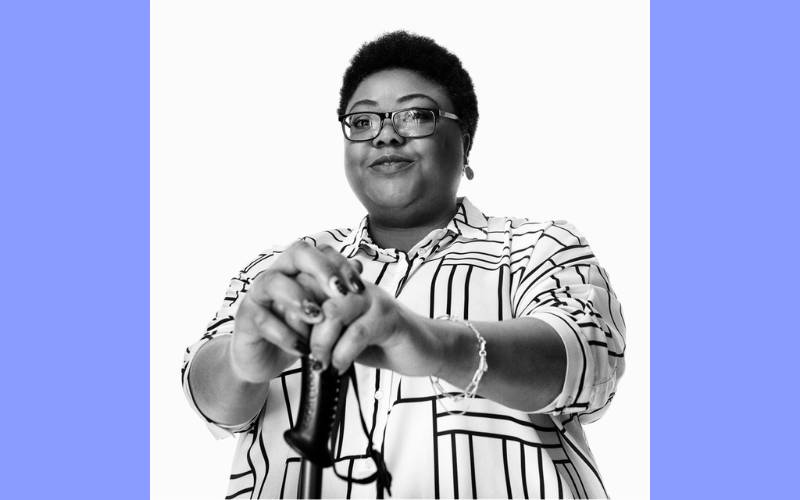
Black History Month in the UK is a pivotal time to reflect on and celebrate the contributions of Black people throughout history. This year, the theme is Reclaiming Narratives, which emphasizes the importance of telling stories from diverse perspectives. It is also a time to think ahead and ask: “What will be the experience of people who look like me in the future?” Let’s explore the theme and the future through a series of questions.
What Does Black History Month Mean to You?
Black History Month is a time for reflection, celebration, and education. It acknowledges the often-overlooked contributions of Black people and serves as a reminder that Black history is integral to the broader historical narrative. For me, it is about celebrating resilience, educating others, and fostering solidarity within Black communities and with our allies.
Were You Taught About Black History in School?
I didn’t attend school in the UK, so no, it wasn’t something I had awareness of till I became an adult. Black history isn’t taught extensively in school, which has significant implications. Learning about Black history from a young age can foster a deeper understanding and appreciation of cultural diversity and historical contributions, helping to combat racism and build a more inclusive society.
How Can Organizations Mark Black History Month?
Organizations can mark Black History Month by hosting events that highlight Black contributions, promoting diversity and inclusion, and addressing both health and wealth disparities. Being visible, encouraging learning, and engaging in meaningful dialogue about Black history is a step in the right direction to supporting Black people and Black communities.
Why Include Black LGBTQ+ Figures in Black History Month?
Why not? Shouldn’t we celebrate and learn about all people who made our society what it is today? Including Black LGBTQ+ figures is crucial as it highlights the diverse, intersectional experiences within the Black community. It ensures that all voices are heard and celebrated, enriching our understanding of history and promoting inclusivity.
How Can Everyone Show Up for Black History Month?
Everyone! You can be Black or an ally and participate by educating yourself about Black history, supporting Black-owned businesses, attending events, and engaging in conversations about racial equality. Being an ally isn’t a once-per-year activity. It’s also important to support diversity initiatives throughout the year.
This year’s theme of 'Reclaiming Narratives' encourages everyone to tell stories from all perspectives, ensuring that past and the future reflects the diverse experiences of all people. By doing so, we honor past achievements and work towards a brighter, more inclusive future.
Throughout my career, I remain dedicated to supporting diversity initiatives, such as my Project Champion role for the Force for Good Turing Trust Project. JPMorgan Chase's Force for Good program partnered with The Turing Trust to improve their processes and increase their impact in sub-Sharan Africa. As a leader on the project, I offered mentoring and guidance to develop sustainable tech-based solutions and use data to make a change!