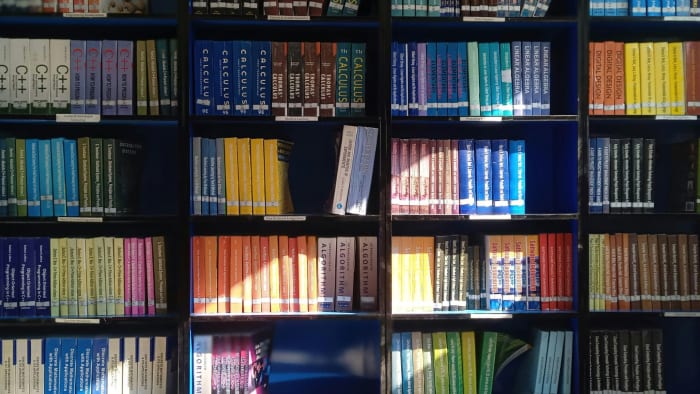
Reform UK's Pride ban in Norfolk libraries sparks outcry over LGBTQ+ inclusion
July 9, 2026Pride displays and LGBTQ+ events have been halted in all 47 Norfolk libraries following a directive from the new Reform UK administration at County Hall, triggering condemnation from politicians, unions and equality advocates.
Staff have been instructed to avoid exhibiting material or hosting events that “promote political messaging”. Council leaders say the policy aims to create what they describe as a “genuinely neutral safe space” in libraries and museums, applying to Pride as well as causes such as pro-Palestine campaigns.
South Norfolk Labour MP Ben Goldsborough called the move “shameful, divisive and deeply damaging” and urged the council leader to reverse the decision, BBC reports.
“Erasing LGBT+ visibility doesn't make people equal, it makes people invisible,” Goldsborough said, adding that Pride materials can offer vital affirmation to those questioning their identity. “For many young people struggling to understand who they are, seeing a Pride display or finding an LGBT+ book can be the reassurance that they are not alone.”
Senior Reform councillor Scott Hussey said the administration acted after receiving complaints from families about activities in Norfolk libraries, particularly content aimed at children. He argued that publicly funded buildings should avoid advancing what he termed “political agendas” or the interests of “campaign groups, however well-intentioned”.
The policy follows a recent instruction from Reform that the Progress Pride flag should cease flying from County Hall. In response, some staff adopted small acts of solidarity, wearing Pride badges and adding rainbow imagery to their computer screens.
Liberal Democrat group leader Brian Watkins said he felt “extremely alarmed” by the new rules. Public service union Unison accused Reform of prioritising “clamping down on free speech and fighting culture wars” while council staff continue efforts to keep libraries open, welcoming and inclusive.
“Library workers dedicate themselves to serving every part of the community,” said Jamie Smith, Unison’s eastern regional organiser. “Their work creates spaces where all residents can feel they belong, regardless of the signals councillors are trying to send.”
Norfolk’s decision mirrors recent developments in neighbouring Essex, where a Reform-led administration announced that libraries would cease promoting events outside day-to-day activities, naming Pride, Black History Month and International Women’s Day among the affected programmes. Around three weeks later, Essex County Council stated that events for Pride remain permitted, after public concern and media scrutiny.
Equality campaigners argue that Pride displays in libraries play a crucial role in public education, mental health and community cohesion, particularly for LGBT+ people in rural and conservative areas who often rely on public spaces for connection and representation. They warn that policies targeting Pride risk emboldening homophobic and transphobic narratives and signalling that LGBT+ lives fall outside the “mainstream” community.
As debates over Pride, free expression and “political neutrality” unfold in local government, many LGBT+ people and allies are turning to explicitly inclusive spaces in their professional and community lives. For those seeking workplaces and networks that affirm diversity and equality, signing up to myGwork offers a way to connect with organisations committed to genuine inclusion.