
Reimagining support for women and LGBTQ+ colleagues at Marsh
March 2, 2026Bani Dhir, leader of the Inclusion Voices CRG at Marsh GCC India, shares how her personal journey shapes her work in building safe, inclusive spaces. She reflects on what International Women’s Day really stands for, and how simple, daily actions can turn inclusion from a slogan into a lived culture for every colleague.
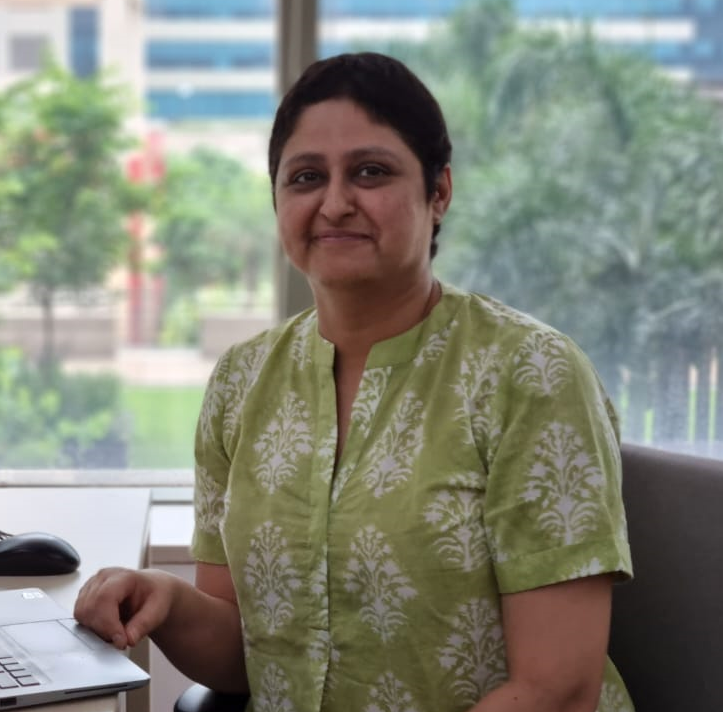
Please introduce yourself and describe your role at your workplace.
I’m Bani Dhir, and I lead the Inclusion Voices CRG (Colleague Resource Group) at Marsh GCC India, where we champion everyday inclusion for our 11,000+ colleagues. As a breast cancer survivor, I also know firsthand how vital safe, supportive spaces are during life’s most difficult chapters — and how much Marsh’s culture of care helped me navigate that journey and return stronger.
What does International Women’s Day (IWD) mean to you?
To me, International Women’s Day is both a celebration and a checkpoint. It’s a moment to honour the resilience, contributions, and leadership of women across generations, while honestly confronting the gaps that still exist. As a breast cancer survivor, IWD also reminds me how important it is to create workplaces that provide real safety and support during health crises, career breaks, or any life transition. Marsh gave me that space to heal and return — and I see IWD as a day to recommit to giving every woman the same: platforms, empathy, and psychological safety so she can thrive every single day of the year, not just on March 8.
How have you been involved in promoting gender inclusivity in your workplace?
Through the Inclusion Voices CRG in India, our efforts have focused on moving gender and LGBTQ+ inclusion from conversation to consistent practice.
- We Impact speaker series — creating safe spaces for dialogue on career continuity, mentoring, and mid-life well-being (our first session in Feb 2026 on fitness and resilience in perimenopause/menopause).
- ReStart 2.0 returnship program — piloting in our Technology Business to support a diversity of talent returning after career breaks with upskilling, mentorship, and flexible onboarding.
- Allyship Micro-Actions — 10 daily 60-second habits (e.g., amplifying voices, supporting flexible work arrangements, and understanding their lives outside of work) to make inclusion a habit, not a one-off event.
- Inclusion Playbook — a 1-pager for managers distilling the 7 UN Women’s Empowerment Principles into actionable habits.
These efforts in India are designed to be low-lift, high-frequency, and integrated into everyday work, so inclusion feels natural.
What is one piece of advice you would give to someone looking to support gender inclusivity and LGBTQ+ inclusion in their workplace?
Start with small, consistent support - not grand gestures. Most important to get started on this journey and provide a safe space around you.
Choose one daily micro-action: amplify a woman’s and/or LGBTQ+ colleague’s voice in a meeting or simply ask “What would help you do your best work?” and listen without judgment. These 60-second moments compound over time and create psychological safety.
My opinion is that the real shift happens when leaders and peers model inclusion daily — because culture is often built in the quiet, ordinary interactions.