
Research concludes that puberty blockers are a “safe, effective and reversible” form of gender-affirming care
September 11, 2024A comprehensive review commissioned by the New South Wales (NSW) government in response to a Four Corners investigation into gender-affirming care for children has concluded that puberty suppression treatment remains “safe, effective and reversible.” Nevertheless, the review emphasises the need for more extensive long-term research, acknowledging that the current quality of evidence is low.
This report, prepared by the Sax Institute, was requested by the NSW government following the Four Corners report and ongoing debates among some healthcare professionals in NSW regarding appropriate practices for children experiencing gender-related issues. This discourse mirrors a broader and often contentious global debate on the gender “affirmation” approach.
Gender-affirming care strategies can include the use of puberty blockers for young individuals distressed by bodily changes. In some cases, this initial treatment is followed by cross-sex hormones that help align an individual’s physical body with their gender identity.
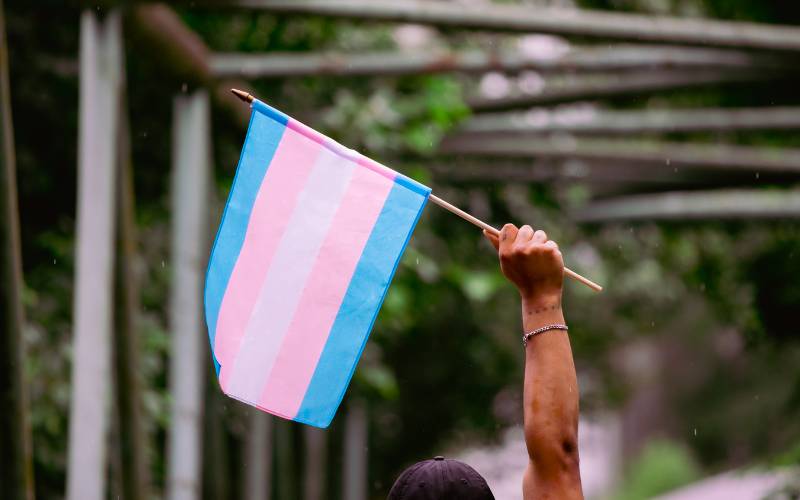
Image Credit: Canva
According to ‘ABC News’, the Four Corners investigation identified challenges faced by the gender clinic at Westmead Children's Hospital, which had only treated three new patients by July of the previous year. The clinic has encountered operational difficulties following a series of staff resignations tied to the release of controversial research backed by the hospital's leadership. This 2021 study noted “high rates of adverse childhood experiences including family conflicts, parental mental health issues, and separation from important figures” among a sample of 79 children seeking help from the hospital's gender service.
A more contentious finding from recent research at the hospital stated that gender-related distress was “resolved” or “disappeared” in 22 percent of the children who visited the clinic.
The new Sax Report, which evaluates the quality of existing research, states that studies focused on transgender and gender-diverse youth in Australia mainly describe individuals receiving care at a Melbourne-based clinic. Thus, the understanding of these characteristics in other Australian contexts remains limited.
The evidence landscape is predominantly filled with studies lacking control or comparison groups. This gap is further complicated by the intricate nature of gender-affirming care, involving multifaceted interventions that are often overlapping and prolonged. These factors complicate the assessment of specific treatment impacts for individual therapies.
The report highlights a continued lack of evidence proving the effectiveness of individual medical or psychological interventions. It acknowledges that ethical concerns often prohibit randomised controlled trials for many gender dysphoria treatments. However, further comparative studies (i.e., Level III-2 and III-3 designs) would be more valuable than uncontrolled studies in filling these evidentiary gaps.
Examining 82 eligible studies on various gender-related interventions for young individuals, the Sax review notes a marked increase in research on gender dysphoria interventions from 2019 to 2023, up from 46 eligible studies in the 2000-2019 period.
Nevertheless, it concludes that “overall, the evidence about gender dysphoria interventions remains weak due to poor study designs, low participant numbers, and single-center recruitment.”
The Evidence Check, commissioned by the NSW Ministry of Health through the Sax Institute, updates on research related to interventions for young people under 18 experiencing gender dysphoria, spanning 2019 to 2023. The Sax Institute identified 17 studies concerning puberty suppression treatment (PS), confirming that the “newly identified evidence reinforced the finding of the previous Evidence Check regarding benefits and effectiveness,” affirming that PS agents are “safe, effective and reversible.”
Despite this, reduced bone density remains a primary concern linked to puberty blockers, with recommendations for monitoring bone mineral density.
The report adds a qualification: “the strength of the evidence remains low.”
The report also highlights studies showing new evidence of the psychological benefits of hormone treatments, such as testosterone. These treatments positively impact body image, gender dysphoria, depression, anxiety, suicide risk, quality of life, and cognitive function. However, some neutral and negative findings were reported, including two Level IV studies indicating no changes in mental health care use following gender-affirming hormone treatment (GAHT).
Although studies showing positive mental health outcomes from GAHT outnumber those with neutral or negative outcomes, significant flaws exist due to generally low participation rates, inadequate representation of young people, and poor study designs.
The Sax Review update examined eight studies on surgery for young people, including one systematic review. The updated evidence generally reports positive findings related to gender dysphoria, psychosocial outcomes, and quality of life. However, there were neutral findings concerning psychosocial outcomes in transgender men and mixed results on quality of life.
The report notes the “irreversible nature of surgery remains a key risk/potential harm, although regret rates were low where reported.” Complication rates for chest surgery were also low. Findings were generally positive across studies concerning sexual function, gender incongruence, and chest dysphoria, but confidence in these findings is limited by a lack of studies, poor quality, and confounding factors from preceding hormone and other therapies.
Offsetting these limitations are three high-quality comparative studies with positive findings specifically for adolescents more evidence that supports chest surgery: “However, further studies are required that focus on the effect of surgery in adolescents.”
The new Evidence Check has significantly expanded the volume of evidence evaluating psychosocial interventions, like psychotherapy and family therapy, often proposed as alternatives by those opposed to physical interventions. The previous review identified only three studies, including one case study, whereas this update includes three systematic reviews and four primary studies, even featuring a randomised controlled trial.
The newly identified studies documented benefits across various outcomes, such as suicidal ideation, psychological distress, depression, anxiety, and gender minority stress. Most studies report that these interventions are both acceptable and safe, with no risks or potential harms reported. However, the existence of an RCT is unique to this kind of intervention, and it should be noted that it concerned a mixed population of sexual and gender-minority youth, not specifically reported for those experiencing gender dysphoria.
The limitations of this body of literature remain significant. In addition to previously noted constraints like small sample sizes and lack of diversity in participant groups, there is considerable variability in intervention delivery modes and studies of mixed populations without subgroup analysis of adolescents and transgender participants.
Therefore, although the study designs in this Evidence Check update are more robust compared to other intervention areas, there are limitations regarding psychological therapies that should be considered when interpreting these findings.
Read related myGwork articles here:
The British Medical Association calls for ban on puberty blockers to be lifted
Scotland pauses prescriptions of puberty blockers for trans minors
NHS Limits Use Of Puberty Blockers To Research Only
Study: Puberty Blockers Help Trans Teens
Keep up to date with the latest myGnews