Companies with diverse workforces outperform their competitors by up to 36 percent, according to recent research. Many organizations now realize that real inclusion goes far beyond surface-level policies. Human Resources sits at the heart of this shift, guiding how teams are hired, supported, and developed. Understanding HR’s impact on diversity can help every workplace become a place where differences are truly valued and everyone has a chance to succeed.
Table of Contents
Key Takeaways
| Point |
Details |
| HR’s Strategic Role in D&I |
HR is essential in operationalizing diversity and inclusion, focusing on inclusive policies and recruitment practices. |
| Importance of Inclusive Hiring |
Effective hiring practices must include unbiased assessments and diverse interview panels to support equitable opportunity. |
| Comprehensive Anti-Discrimination Policies |
Implementing clear anti-discrimination policies fosters mutual respect and creates a supportive workplace environment for all employees. |
| Cultural Competency Training |
Ongoing training and education initiatives are crucial for promoting understanding and empathy in multicultural teams. |
Defining the Role of HR in Diversity
Human Resources (HR) is the critical strategic partner in transforming workplace diversity from a theoretical concept into tangible organizational reality.
Diversity and Inclusion (D&I) are not just buzzwords but fundamental organizational strategies that HR professionals actively design, implement, and champion.
According to research from
HEC, HR plays a pivotal role in mobilizing the D&I agenda by establishing robust policies and creating an inclusive culture where leaders can effectively manage diverse teams. This involves developing comprehensive recruitment strategies that intentionally seek talent from varied backgrounds, experiences, and perspectives.
In our globalized economy, HR’s responsibilities extend far beyond traditional hiring practices. As insights from
NNRoad highlight, HR is now responsible for:
- Recruiting talent from diverse backgrounds
- Addressing critical skill gaps
- Developing cross-cultural training programs
- Ensuring effective collaboration among workforce diversity
Moreover, HR professionals must continuously evolve their approach, creating workplace environments that not only welcome diversity but actively celebrate and leverage the unique strengths of every individual. This means designing inclusive policies, providing unconscious bias training, and establishing metrics to track meaningful progress in representation and equity.
Implementing Inclusive Hiring Practices
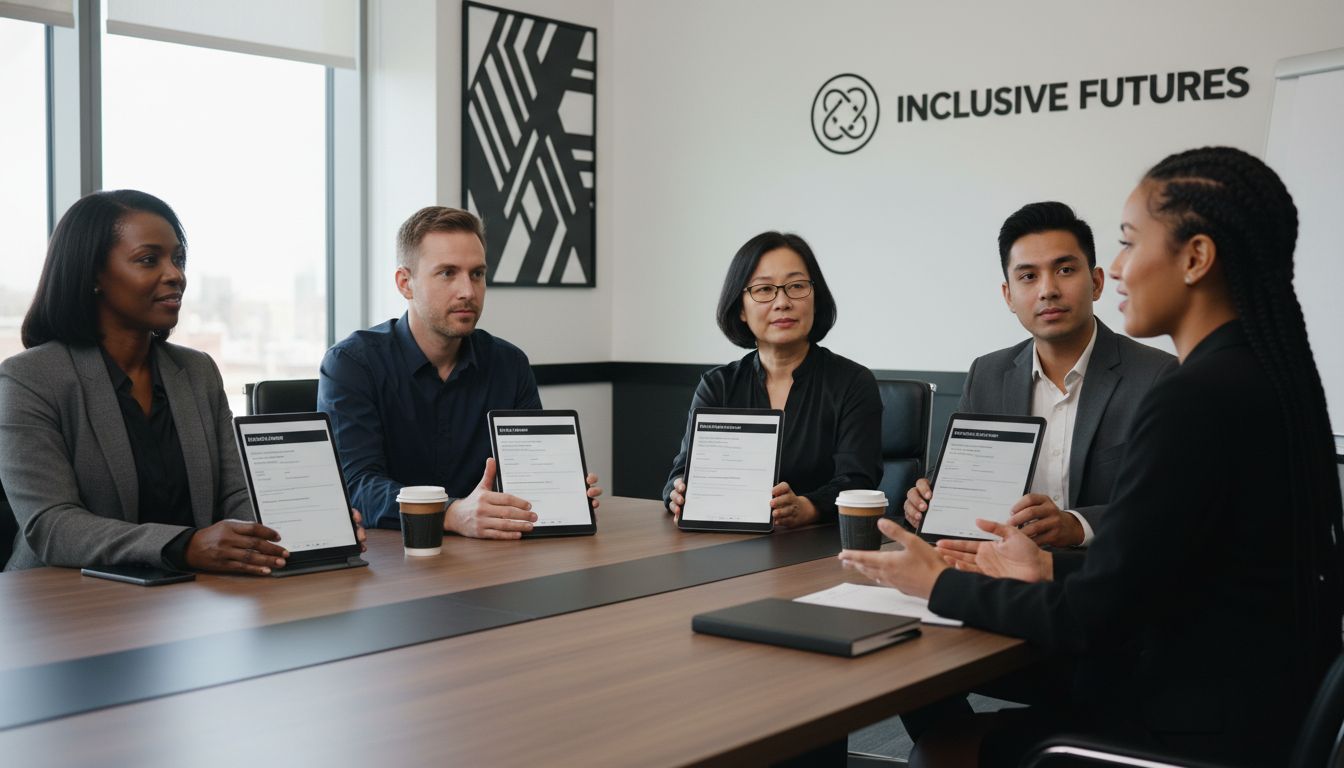
Inclusive hiring practices represent the cornerstone of building diverse and equitable workplaces where talent is recognized and valued regardless of background, identity, or personal characteristics. HR professionals are increasingly recognizing that truly inclusive recruitment goes far beyond simply avoiding discrimination.
Research from
Multiplier emphasizes the importance of embracing cultural diversity by crafting unbiased interview questions, designing inclusive onboarding programs, and providing resources for employees to learn about different cultures. This approach transforms hiring from a transactional process into a strategic opportunity for building a rich, multifaceted workforce.
In the technological era,
artificial intelligence is playing a critical role in recruitment. According to cutting-edge research from
arXiv, integrating Diversity and Inclusion (D&I) principles into AI-driven recruitment systems is essential to prevent inherent biases and promote fairness. Key strategies include:
- Implementing blind resume screening
- Using AI tools that minimize demographic bias
- Developing algorithmic transparency
- Creating diverse interview panels
Successful inclusive hiring requires a holistic approach that considers not just recruitment, but also creating an environment where diverse talent feels genuinely welcomed, supported, and empowered to contribute their unique perspectives. This means continuously evolving recruitment strategies, providing unconscious bias training, and establishing clear metrics to track meaningful progress in building truly representative teams.
Here’s a comparison of inclusive hiring practices and their impact:
| Inclusive Hiring Practice |
Purpose |
Expected Impact |
| Blind resume screening |
Remove demographic information |
Reduce unconscious bias |
| Diverse interview panels |
Include multiple perspectives |
Fairer candidate evaluation |
| Unbiased interview questions |
Standardize assessments |
Equal opportunity for all |
| AI minimizing bias |
Automate and audit recruiting |
Promote fairness and accuracy |
| Inclusive onboarding programs |
Support diverse new hires |
Higher retention and engagement |
Establishing Anti-Discrimination Policies
Anti-discrimination policies form the foundational framework that protects employees from unfair treatment and creates a workplace environment of mutual respect and equal opportunity. These comprehensive guidelines are not just legal requirements but critical statements of organizational values that signal a commitment to diversity, equity, and inclusion.
According to research from the
Human Rights Campaign, developing robust non-discrimination policies is crucial for building respectful, inclusive workplaces where every employee can thrive. Such policies must explicitly outline protections for individuals across multiple dimensions, including sexual orientation, gender identity, race, disability, age, and other protected characteristics.
Research in organizational psychology highlights that effective anti-discrimination policies are mandatory for the success of diverse, multinational organizations.
Key components of comprehensive anti-discrimination frameworks include:
- Clear, unambiguous language defining prohibited behaviors
- Transparent reporting mechanisms
- Consistent and fair enforcement procedures
- Regular training and awareness programs
- Protection against retaliation for reporting incidents
Successful implementation requires more than just written documentation. HR must create a culture of accountability where these policies are actively communicated, understood, and lived throughout the organization. This means ongoing education, regular policy reviews, and a genuine commitment to addressing and preventing discriminatory practices at every organizational level.
Supporting LGBTQ+ Inclusion Initiatives
LGBTQ+ inclusion represents a critical strategic imperative for modern organizations committed to creating truly equitable and supportive workplace environments. HR professionals play a pivotal role in transforming workplace culture from mere tolerance to genuine celebration of diversity and individual authenticity.
According to research from the Human Rights Campaign, implementing best practices in LGBTQ+ inclusion involves developing comprehensive strategies that go beyond basic non-discrimination policies. These initiatives should focus on uplifting LGBTQ+ voices, creating safe spaces for authentic self-expression, and actively dismantling systemic barriers that have historically marginalized LGBTQ+ professionals.
Key strategies for supporting LGBTQ+ inclusion include:
- Establishing employee resource groups (ERGs)
- Offering transgender-inclusive healthcare benefits
- Providing diversity and sensitivity training
- Creating mentorship programs for LGBTQ+ professionals
- Implementing gender-neutral language in company communications
Moreover, platforms like
myGwork provide critical support by offering safe spaces for LGBTQ+ professionals to connect with inclusive employers, find meaningful career opportunities, and access professional networking events. By actively partnering with such platforms, organizations demonstrate a genuine commitment to fostering an inclusive workplace where every individual can thrive, regardless of sexual orientation or gender identity.
Training, Education, and Workplace Culture
Workplace culture represents the invisible yet powerful ecosystem that defines how employees interact, collaborate, and perceive their professional environment. HR plays a crucial role in shaping this culture through strategic training and educational initiatives that promote understanding, empathy, and mutual respect.
According to research from Multiplier, investing in ongoing cultural competency training is essential for addressing unconscious bias and fostering effective communication in multicultural teams. This approach goes beyond traditional diversity training by creating immersive learning experiences that challenge existing perspectives and build genuine cross-cultural understanding.
Key components of effective training and culture-building programs include:
- Interactive workshops on unconscious bias
- Cultural exchange and storytelling sessions
- Mentorship programs across diverse groups
- Regular feedback mechanisms
- Inclusive leadership development
Research from NNRoad emphasizes the importance of developing cross-cultural training programs that help employees adapt to different cultural norms and work effectively with colleagues from diverse backgrounds. Ultimately, successful workplace culture transformation requires a holistic approach that combines structured learning, open dialogue, and a genuine commitment to creating an environment where every individual feels valued, heard, and empowered to contribute their unique perspectives.
Empower Your HR Strategy with Inclusive Diversity Solutions
The challenge of effectively integrating Diversity and Inclusion (D&I) principles into HR practices calls for tools that amplify your impact. This article highlights key pain points such as building inclusive hiring processes, implementing anti-discrimination policies, and fostering LGBTQ+ workplace inclusion. These require more than policies alone—they demand active engagement and connections that transform workplace culture.
Take your commitment further with
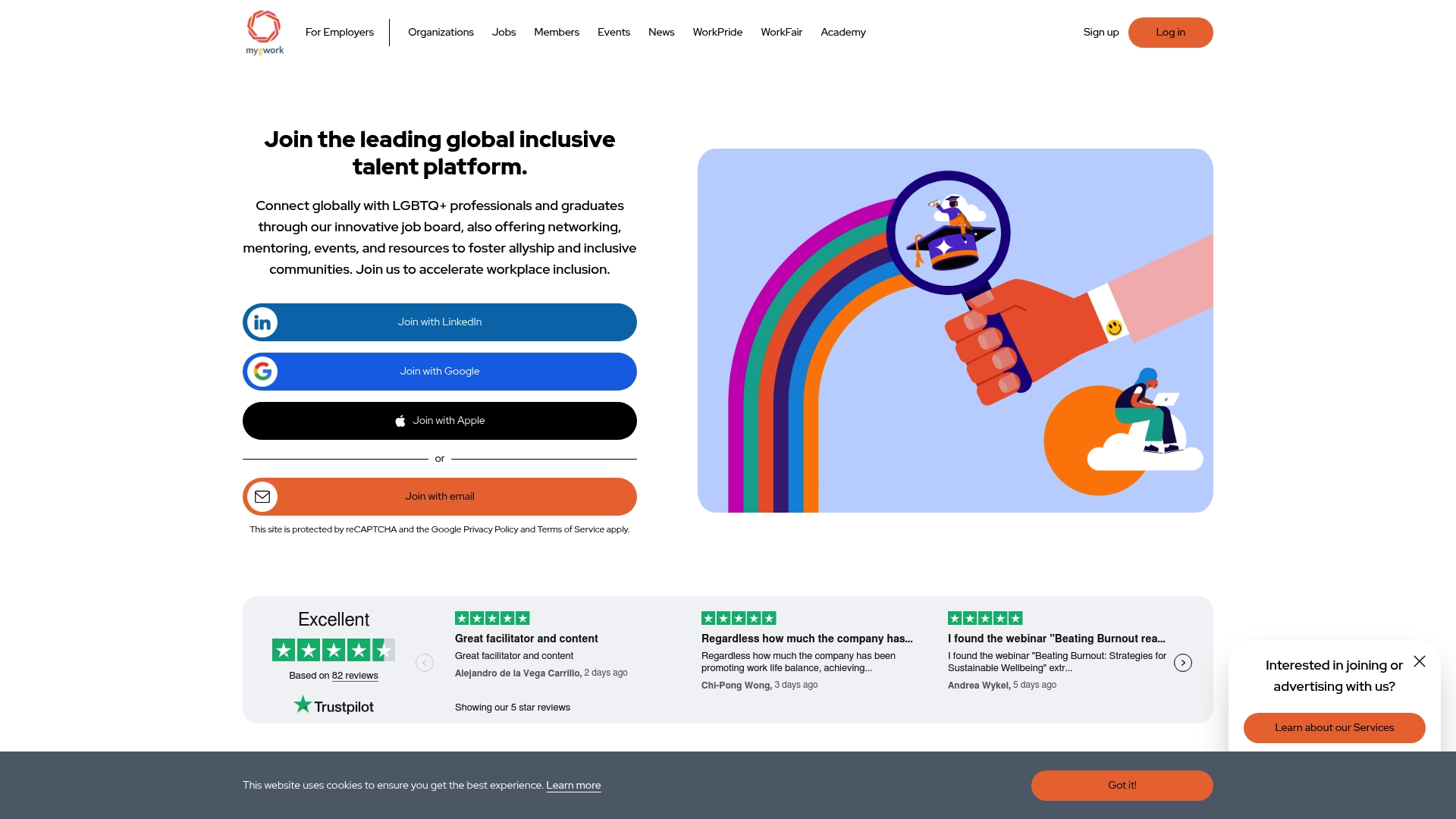
myGwork, the professional networking platform designed specifically to support LGBTQ+ professionals and promote diversity-driven employment practices. Discover how seamless access to a vibrant, inclusive community and tailored career opportunities can help HR professionals create workplaces where every voice is heard and valued. Explore the power of targeted connections, inclusive hiring, and ongoing professional development at myGwork. Join now to lead your organization’s D&I strategy with confidence and create meaningful change today.
Frequently Asked Questions
HR serves as a strategic partner in implementing and managing diversity and inclusion initiatives, fostering an inclusive culture, and ensuring diverse recruitment practices.
What are inclusive hiring practices and why are they important?
Inclusive hiring practices aim to recognize and value talent regardless of background, employing strategies like blind resume screening and diverse interview panels to eliminate bias and promote fairness in the hiring process.
How can organizations establish effective anti-discrimination policies?
Effective anti-discrimination policies should be clear, comprehensive, and enforced consistently. They must include unambiguous definitions of prohibited behaviors, reporting mechanisms, and regular training to educate employees about discrimination and bias.
What initiatives support LGBTQ+ inclusion in the workplace?
Organizations can support LGBTQ+ inclusion by establishing employee resource groups, offering inclusive healthcare benefits, providing diversity training, and creating mentorship programs for LGBTQ+ professionals.
Recommended