
Role of Inclusive Job Boards: Complete Guide
November 12, 2025
Nearly one in three job seekers from marginalized backgrounds report facing discrimination during the hiring process. The search for a workplace that values every identity can feel discouraging, especially when traditional job boards overlook the needs of underrepresented talent. Inclusive job boards step in to bridge this gap, connecting skilled professionals with employers who prioritize fair opportunities and real support. Understanding how these platforms work is key to unlocking more equitable and rewarding careers for everyone.
Key Takeaways
Defining Inclusive Job Boards and Their Purpose
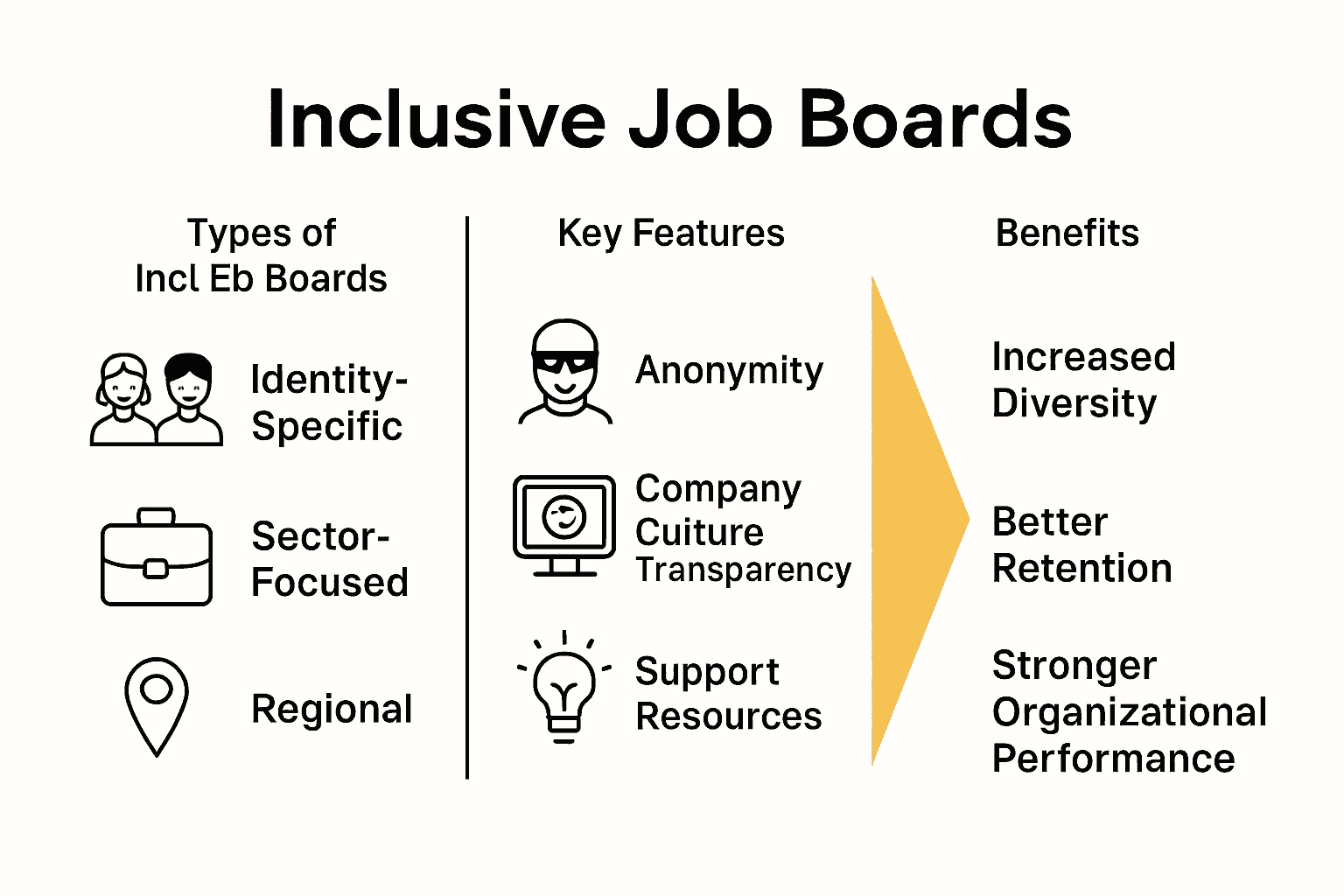
Inclusive job boards represent specialized digital platforms designed to connect marginalized professionals with employers committed to creating equitable and supportive workplace environments. According to ALA, these platforms aim to create recruitment processes that support both internal and external constituents, ensuring all participants feel valued throughout the hiring stages.
At their core, inclusive job boards go beyond traditional recruitment channels by prioritizing representation, accessibility, and meaningful employment opportunities. Inclusion International emphasizes that true inclusive employment means providing real jobs with fair compensation and necessary support, moving decisively away from outdated models like sheltered workshops.
Key characteristics of inclusive job boards typically include:
- Actively promoting diversity across multiple identity dimensions
- Providing transparent information about company cultures and inclusion practices
- Offering resources and support for historically marginalized professionals
- Creating safe spaces for LGBTQ+ and other underrepresented talent communities
- Facilitating connections between progressive employers and qualified candidates
These platforms serve as critical infrastructure for dismantling systemic barriers in professional recruitment. By centering the experiences and needs of marginalized professionals, inclusive job boards transform traditional hiring models into more equitable, accessible pathways to meaningful career opportunities.

Types of Inclusive Job Boards Worldwide
As Wikipedia explains, employment websites have evolved to facilitate job postings and applications with specialized platforms emerging to promote inclusivity across diverse professional landscapes. These job boards have transformed from generic listing sites into nuanced ecosystems supporting specific professional communities and marginalized talent groups.
Different types of inclusive job boards can be categorized based on their primary focus and target demographics:
- Identity-Specific Job Boards
- LGBTQ+ Professional Networks
- Disability Inclusion Platforms
- Women in Technology Boards
- Veteran Employment Platforms
- Racial and Ethnic Professional Communities
- Sector-Focused Inclusive Platforms
- Tech Diversity Job Boards
- Creative Industry Inclusive Recruitment Sites
- Nonprofit and Social Impact Career Platforms
- Healthcare Equity Employment Channels
- Academic and Research Inclusive Hiring Networks
- Global and Regional Specialized Job Boards
- International Multicultural Professional Networks
- Region-Specific Diversity Employment Platforms
- Cross-Border Inclusive Recruitment Channels
According to Wikipedia, job ads aggregators play a critical role by collecting listings from various inclusive job boards, thereby providing comprehensive access to employment opportunities across different sectors and regions. This aggregation helps professionals discover opportunities they might otherwise miss through traditional recruitment channels.
These diverse job board types collectively work to dismantle systemic barriers, create visibility for underrepresented talents, and connect forward-thinking employers with exceptional professionals from all backgrounds. By offering specialized platforms, they transform recruitment from a transactional process into a meaningful pathway for professional growth and organizational diversity.
How Inclusive Platforms Support LGBTQ+ Professionals
According to ALA, inclusive recruitment practices are fundamental in creating equitable processes that support LGBTQ+ professionals by systematically removing workplace barriers and fostering genuinely welcoming environments. These specialized platforms go beyond traditional job boards by addressing the unique challenges faced by LGBTQ+ talent in professional settings.
Inclusive job platforms provide comprehensive support through multiple strategic approaches:
- Safe Job Search Environments
- Confidential profile management
- Sexual orientation and gender identity protections
- Anonymity options during initial application stages
- Employer diversity scoring and inclusion metrics
- Professional Development Resources
- LGBTQ+ career mentorship programs
- Networking event connections
- Skills training workshops
- Leadership development opportunities
- Intersectional professional support groups
Inclusion International emphasizes that truly inclusive employment means providing real opportunities with fair compensation and necessary support. For LGBTQ+ professionals, this translates into platforms that not only connect them with progressive employers but also actively advocate for their professional advancement and workplace dignity.
These platforms serve as transformative ecosystems that do more than facilitate job matches. They create holistic support networks, challenge systemic workplace discrimination, and empower LGBTQ+ professionals to navigate careers with confidence, authenticity, and genuine opportunities for growth.
 By centering the experiences and aspirations of LGBTQ+ talent, these inclusive job boards are reshaping professional landscapes one meaningful connection at a time.
Benefits for Employers and Organizations
According to ALA, implementing inclusive recruitment practices allows organizations to critically reflect on and improve internal processes, creating more compassionate workplace environments that benefit both current employees and potential candidates. This strategic approach transforms traditional hiring from a transactional process into a meaningful opportunity for organizational growth and cultural transformation.
Key benefits for employers utilizing inclusive job platforms include:
Competitive Advantages
- Access to diverse, high-quality talent pools
- Enhanced employer brand reputation
- Improved workplace innovation
- Reduced recruitment and turnover costs
- Stronger team collaboration and creativity
Organizational Performance Metrics
- Higher employee engagement rates
- Increased productivity
- More robust organizational resilience
- Improved customer satisfaction
- Enhanced global market understanding
Inclusion International emphasizes that inclusive employment practices provide significant business advantages, including reliable employee performance, reduced recruitment expenses, and increased retention rates. By actively engaging with specialized job platforms, organizations demonstrate a genuine commitment to workplace diversity and social responsibility.
Ultimately, inclusive job boards represent more than recruitment tools. They are strategic partnerships that help organizations build dynamic, representative workforces capable of driving innovation, understanding complex market needs, and creating meaningful professional environments where every talented individual can thrive regardless of their background or identity.
Challenges, Risks, and Best Practices for Use
ArXiv warns that neglecting diversity and inclusion in recruitment systems can perpetuate systemic biases, creating significant legal and reputational risks for organizations. Understanding these potential pitfalls is crucial for employers seeking to leverage inclusive job platforms effectively and ethically.
Key Challenges in Inclusive Recruitment
- Unconscious bias in platform algorithms
- Potential tokenization of diverse candidates
- Privacy and confidentiality concerns
- Balancing anonymity with authentic representation
- Preventing discriminatory filtering mechanisms
Risk Mitigation Strategies
- Regular algorithmic bias audits
- Transparent candidate screening processes
- Comprehensive diversity training
- Implementing multi-dimensional evaluation criteria
- Establishing clear inclusion guidelines
According to ALA, creating equitable recruitment processes involves systematically removing barriers and fostering genuinely welcoming environments. This means going beyond surface-level diversity metrics to build authentic, supportive professional ecosystems.
Best practices for organizations using inclusive job boards require a holistic approach. Employers must continuously evaluate their platforms, challenge internal biases, and commit to meaningful structural changes that transform recruitment from a transactional process into a genuine pathway for professional growth and organizational innovation.
Empower Your Career with an Inclusive Job Network
Crafting an equitable career path as an LGBTQ+ professional often means overcoming invisible barriers and finding employers who truly value diversity and inclusion. The article highlights the importance of platforms that create safe job search environments, offer anonymity options, and connect you with organizations committed to authentic representation. These are not just job boards but ecosystems that nurture your growth while dismantling workplace bias.
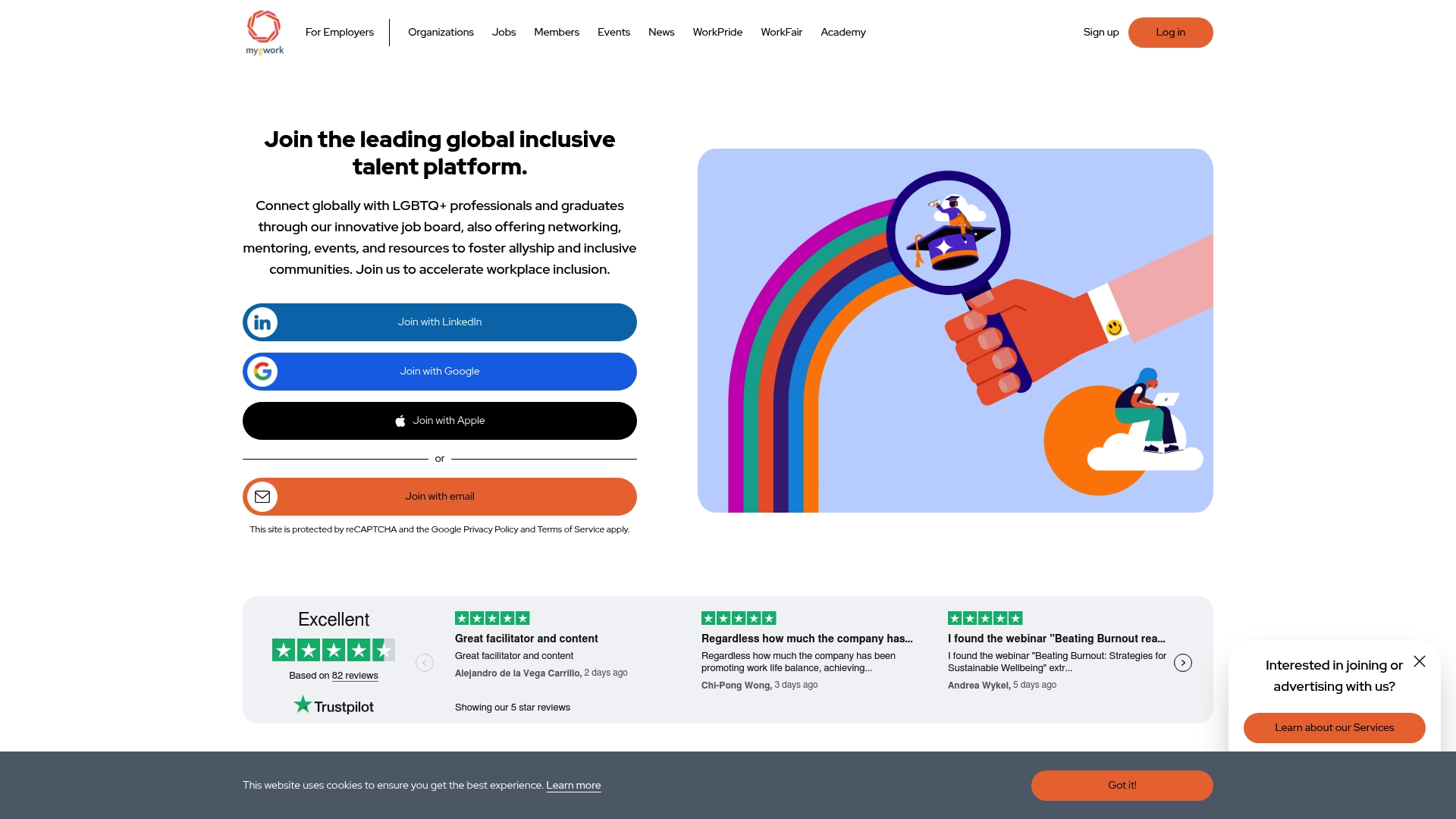
Take control of your professional journey with myGwork, a dedicated space where LGBTQ+ talent and inclusive employers converge. Whether you want to showcase your career, explore job openings that respect your identity, or access community resources, myGwork is designed to support your success every step of the way. Start now to join a network of like-minded professionals and organizations who recognize your value and want to help you thrive. Discover more about how inclusion drives opportunity on myGwork today.
Frequently Asked Questions
What are inclusive job boards?
Inclusive job boards are specialized digital platforms that connect marginalized professionals with employers committed to creating equitable workplace environments. They prioritize representation, accessibility, and provide meaningful job opportunities.
How do inclusive job boards support LGBTQ+ professionals?
Inclusive job boards create safe job search environments, offer professional development resources, and connect LGBTQ+ talent with progressive employers while addressing the challenges faced by these individuals in the workplace.
What benefits do employers gain from using inclusive job platforms?
Employers benefit from access to diverse talent pools, enhanced brand reputation, improved organizational performance, and reduced recruitment costs, fostering a more innovative and resilient workplace.
What challenges do organizations face when using inclusive recruitment platforms?
Organizations may encounter challenges such as unconscious bias in algorithms, potential tokenization of diverse candidates, privacy concerns, and the need for effective risk mitigation strategies to ensure authentic representation.