
Seen and celebrated: why International Asexuality Day matters in the workplace
April 6, 2026Every year on 6 April, communities around the world come together to mark International Asexuality Day (IAD) — a coordinated worldwide campaign promoting the ace umbrella, including demisexual, grey-asexual and other ace identities. It's a day to celebrate, educate, and stand in solidarity with one of the most frequently misunderstood and overlooked communities within the LGBTQ+ family.
At myGwork, we believe that inclusion is only meaningful when it reaches everyone. And for too long, asexual and ace-spectrum people have been left out of the conversation — even in spaces that are supposed to be theirs.
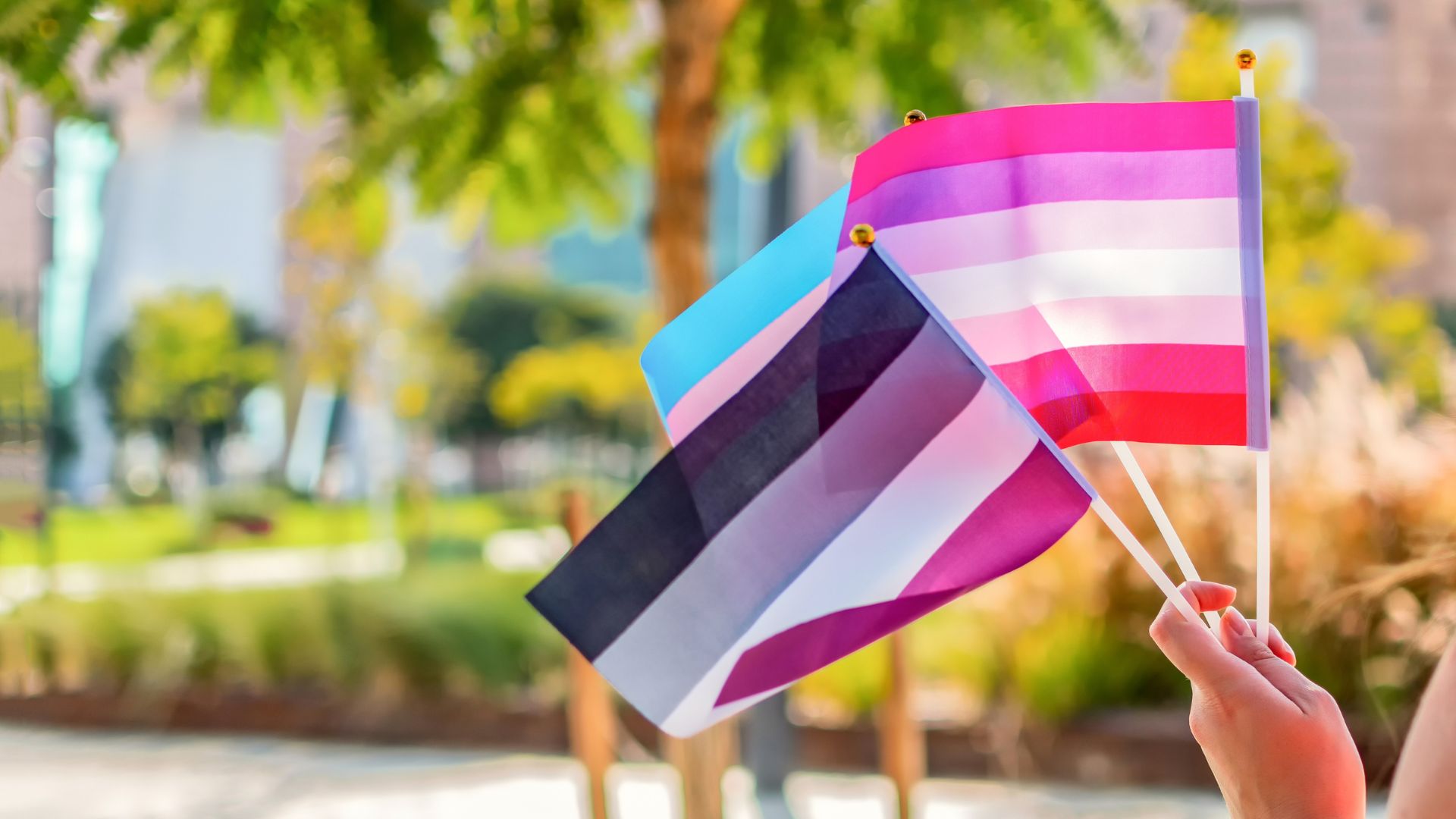
What does it mean to be asexual?
Asexuality is a sexual orientation characterised by a lack of sexual attraction to others. But that's just the starting point. Asexuality is not defined by whether someone is single, dating, sexually active, or completely uninterested in sex. It is defined by attraction.
The ace spectrum is broad and richly varied. It includes identities such as demisexual (experiencing sexual attraction only after forming a deep emotional bond), grey-asexual (falling somewhere between asexual and sexual), and aromantic (experiencing little or no romantic attraction). Aces commonly use hetero-, homo-, bi-, and pan- in front of the word "romantic" to describe who they experience romantic attraction to.
Crucially, asexuality is different from celibacy — where a person feels attraction but makes the conscious choice not to express it. Being asexual is an orientation, not a lifestyle choice.
Why visibility still matters
Ace identities are often overlooked or misunderstood, and many aces still grow up not realising that asexuality is an option. In workplaces, this invisibility can translate into subtle but very real harm — from colleagues assuming everyone experiences attraction the same way, to team social events that centre romantic or sexual humour, to simply never seeing your identity reflected in an organisation's DEI communications.
Asexual people have faced dismissal both outside and within the LGBTQIA+ community — often reduced to the narrative that it's simply a choice not to have sex. Changing that starts with awareness, and awareness starts with moments like today.
What can workplaces do?
Inclusion for ace and aromantic colleagues doesn't require a complete overhaul of your DEI strategy — it starts with small, consistent actions:
Include asexuality in your organisation's LGBTQ+ communications, not just during Pride Month but year-round. Recognise dates like International Asexuality Day and Ace Week (held every October) in your inclusion calendar. Encourage your ERGs and ally networks to create space for ace voices, and to challenge assumptions about attraction and relationships in team environments. Audit your language — phrases like "we're all human, we all feel this way" can inadvertently erase experiences that don't fit the norm.
Most importantly, listen. International Asexuality Day's four guiding themes are Advocacy, Celebration, Education, and Solidarity. Each one of those has a home in the workplace.
A community worth championing
The ace community has made significant headway over the years — asexual representation in mainstream media continues to improve, and major LGBTQ+ organisations now acknowledge and include ace identities. But there is still meaningful work to do, and workplaces are one of the most powerful arenas in which that work can happen.
Today, we celebrate every ace and aromantic professional who has navigated workplaces not built with them in mind. We see you, we value you, and we're committed to building spaces where you don't have to choose between authenticity and belonging.
Happy International Asexuality Day. 🖤🤍💜