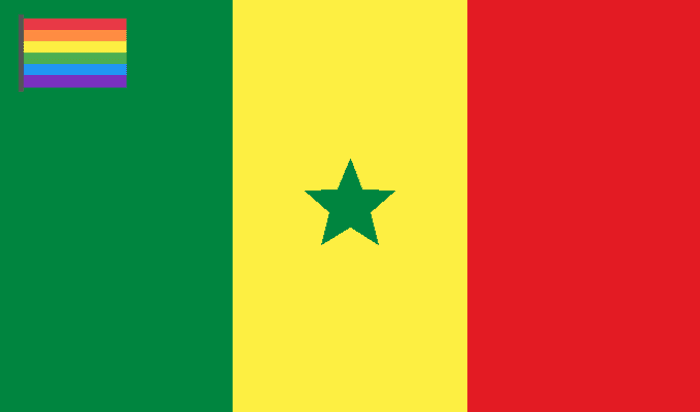
Senegal: Over 200 Arrested, Forced HIV Tests and Lawyers Too Scared to Act, Says Human Rights Watch
October 13, 2026Six months after Senegal doubled the maximum sentence for same-sex relationships, Human Rights Watch has published its first detailed account of what the new law looks like on the ground. The picture is bleak: mass arrests, HIV tests carried out without consent and then used as evidence, detainees pressured to give up their right to a lawyer, and a community that has largely gone into hiding.
What the report found
HRW's researchers spent May in Senegal interviewing 39 people, including five who had been detained, as well as lawyers, doctors, journalists, officials and members of the queer community. They wrote to the justice minister, the gendarmerie and the national police with their findings in late September and have had no reply.
On the arrests, the numbers vary by source but point the same way. The Senegalese rights group RADDHO counted at least 212 people detained between February and July. HIV Justice Network puts it above 300. Most were picked up by a single gendarmerie unit in Keur Massar, east of Dakar, working through the contacts on phones seized from the 12 men arrested in February. By July the sweep had reached lesbians too, with eight women placed in pretrial detention after gendarmes went through two phones belonging to a couple.
HRW could only find one conviction so far: a 24-year-old sentenced in April to six years in prison, with no lawyer present. Most others are still waiting. Prosecutors have been stacking on extra charges such as criminal association and drug offences, which take longer to investigate and keep people locked up. In August a court dropped the "deliberate HIV transmission" charges against the February group but sent 71 people to trial anyway.
The HIV testing
This is the part that has alarmed doctors most. The gendarmerie has openly said it tests detainees for HIV. Where results come back positive, people have been charged under a 2010 law that was written to protect people living with HIV, not prosecute them. Test results have ended up in newspapers alongside names, photos and in one case a list of what police found in a man's home, including his antiretroviral medication.
The effect on public health has been immediate. One Dakar doctor told HRW that a third of their patients have stopped coming in for HIV treatment. UNAIDS raised the same concern in March. Senegal's own health ministry has put out statements saying medical and judicial records should be kept separate, which suggests the people running the country's HIV response are not the people running the arrests.
Nobody to defend you
The March amendment created new offences for "promoting" or supporting LGBT people and organisations, with up to seven years in prison. Lawyers told HRW this has made colleagues reluctant to take these cases at all, for fear of being accused of promotion themselves. One Dakar lawyer said his family and colleagues had urged him not to represent men charged with "acts against nature". He filed complaints in February against a gendarmerie commander who pressured his client to waive legal representation. Nothing has happened since.
What it's doing to people
The interviews describe a community that has stopped functioning. People have abandoned their phones, left online groups, moved cities or left the country for Gambia, Mauritania and Morocco. A 22-year-old student described neighbours telling him "next time it's your turn". A 21-year-old released in January said his own mother warned him not to come home because his brothers were waiting. A 27-year-old community worker said it feels like COVID lockdown again, except that this time, in his words, he has one foot in prison. A university psychologist said consultations on campus have tripled since March.
The Youth Olympics
Senegal hosts the Dakar 2026 Youth Olympic Games from 31 October, the first Olympic event ever held in Africa. The Olympic Charter requires host countries to respect human rights and bans discrimination of any kind. HRW's researcher Larissa Kojoué said the crackdown raises serious questions about Senegal's compliance with the charter and with its own laws, and called on the government to stop it. The African Commission on Human and Peoples' Rights is also meeting in Dakar this week.
Why this matters for employers
Plenty of international companies have staff in Senegal, and Dakar is a regional hub for West Africa. Employers with people on the ground there need to understand that the risk to LGBTQ+ employees is no longer theoretical. The "promotion" offence also means a company's inclusion policies, Pride communications or ERG activity could put local staff in a difficult position. If you have teams in Senegal, now is the time to talk to them about what support looks like, what information is safe to share and how to respond if someone is arrested.
For LGBTQ+ professionals being asked to travel there, including anyone heading to the Youth Olympics, the usual advice applies with more force than usual: assume no privacy on your phone, and know who to call.
We covered the law itself when it was signed in April. This report is the account of what happened next.
Source: Human Rights Watch, "Senegal: Brutal Crackdown Violates LGBT People's Rights", 12 October 2026