
Seoul Pride marchers demand visibility and legal protection
June 17, 2026Tens of thousands of people filled central Seoul over the weekend for the city’s annual queer culture festival, one of Asia’s largest Pride events, transforming the streets with rainbow flags, music and drumming in a powerful show of visibility for South Korea’s LGBTQ+ community.
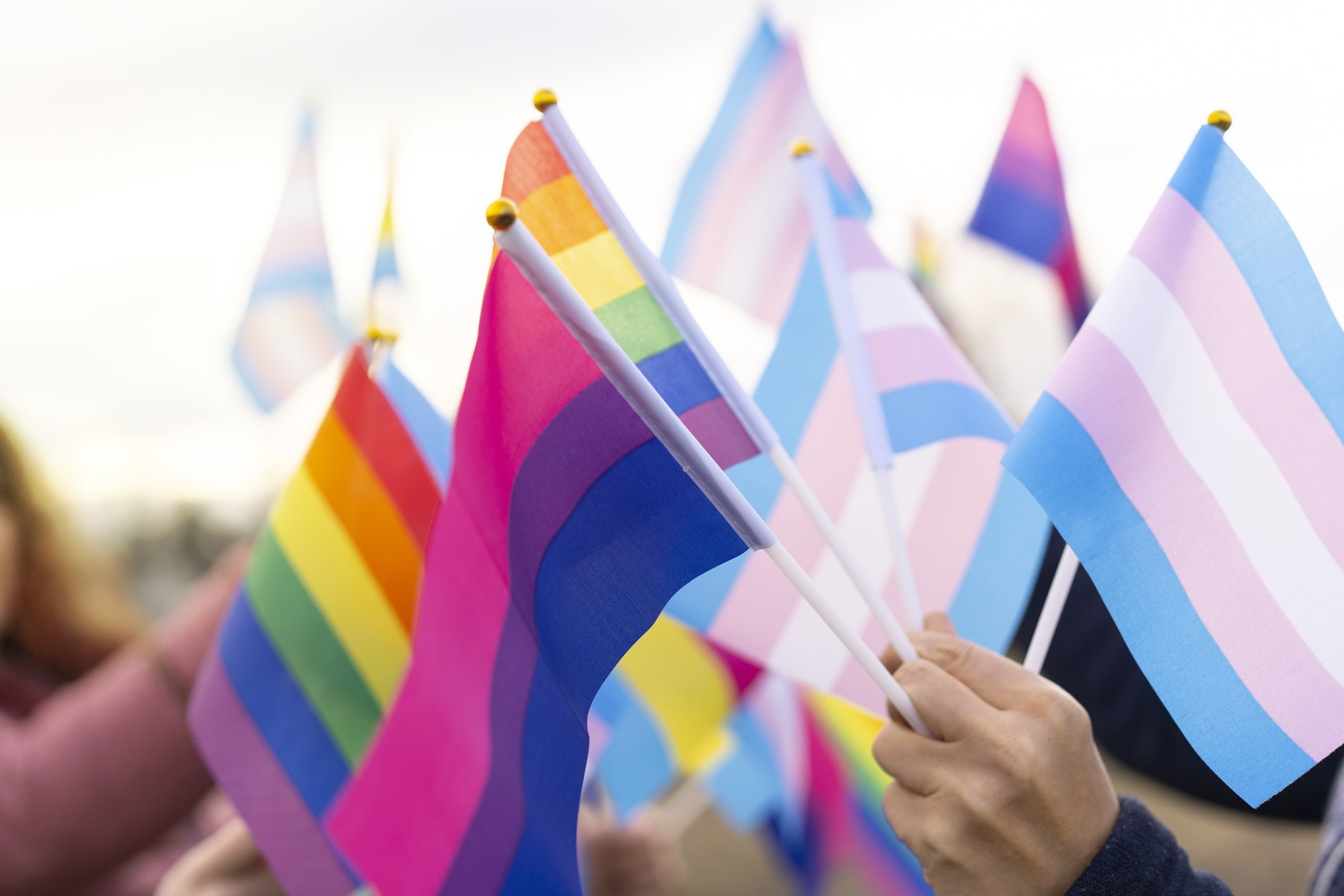
For many, the gathering is a rare opportunity to feel safe and open. “I only tell friends who I think can accept it,” said Lee Seo-hee, a bisexual university student from Seoul. “It doesn’t feel like a completely safe society.”
The atmosphere on Saturday was jubilant under a blazing sun even as LGBTQ+ people in South Korea still lack basic legal protections. A comprehensive anti-discrimination bill has been stalled in parliament for nearly 20 years, despite repeated calls from rights groups, legal experts and international bodies.
Parents of LGBTQ+ children stood near the parade route offering free hugs, embracing marchers who sometimes broke down in tears. Many attendees remain unable to come out at home, in a society where homosexuality is legal yet still heavily stigmatised.
The festival continues to face political resistance. Seoul Plaza, which hosted the event for nearly a decade, has been barred to Pride organisers for the past four years under mayor Oh Se-hoon. As reported by the Guardian, Oh has stated that he “cannot support homosexuality” and has called Pride events at the city’s main square “not desirable”. The conservative mayor was re-elected earlier this month.
This year’s festival moved to a different site, where rows of booths represented civil society groups, university clubs and foreign diplomatic missions, including the British embassy.
“This is the one time of year people feel they can truly show who they are,” said Jay Park, a film-maker and long-time festival participant. “Until a few years ago, many came covering themselves up, afraid of being seen.”
The festival followed a rare legal advance. Days earlier, a Seoul court ruled that a same-sex couple who had shared their lives and finances formed a protected legal union, even though South Korea still does not recognise same-sex marriage. Activists see the judgment as a small but important opening in a hostile legal environment.
Conservative Protestant churches, which account for about a fifth of South Korea’s population, exert strong political influence. Their lobbying has been central to blocking comprehensive anti-discrimination legislation that would protect LGBTQ+ people, women, people with disabilities and racial minorities.
Last month, the government quietly included groundwork for such a law among the official policy tasks of President Lee Jae Myung’s administration, raising cautious optimism within rights circles.
“Even Korean companies that sponsor Pride abroad keep their mouths shut about LGBTQ+ rights in Korea,” said queer artist and activist Heezy Yang. South Korean films, dramas and music videos have carried queer themes to global audiences, Yang added, while domestic policy and public discourse continue to restrict LGBTQ+ lives at home.
Nearby, counter-protesters held a rival rally with trucks blasting hymns and banners describing homosexuality as sinful, a reminder of the strong conservative opposition activists still face.
“Korean politicians have always treated minority issues as an afterthought, people not worth their votes,” Park said. “Stop pretending we don’t exist. Pass the anti-discrimination law.”
For those seeking to support LGBTQ+ equality in daily life and at work, one concrete step is to connect with inclusive professional networks and employers, including by signing up for myGwork.